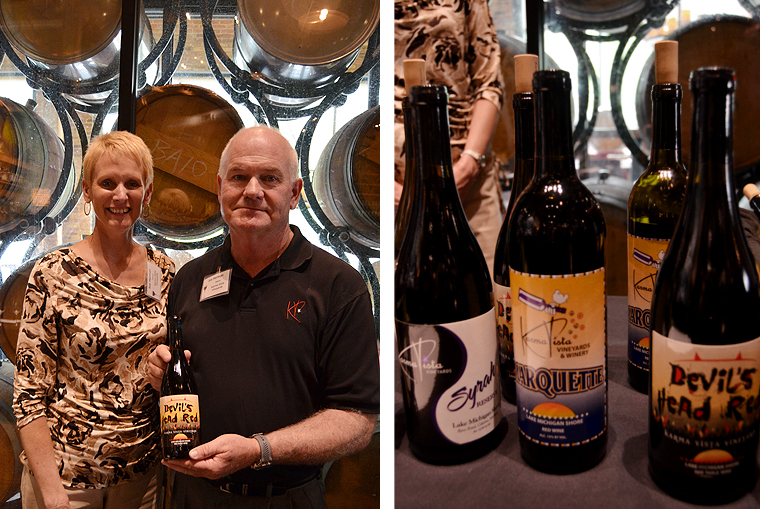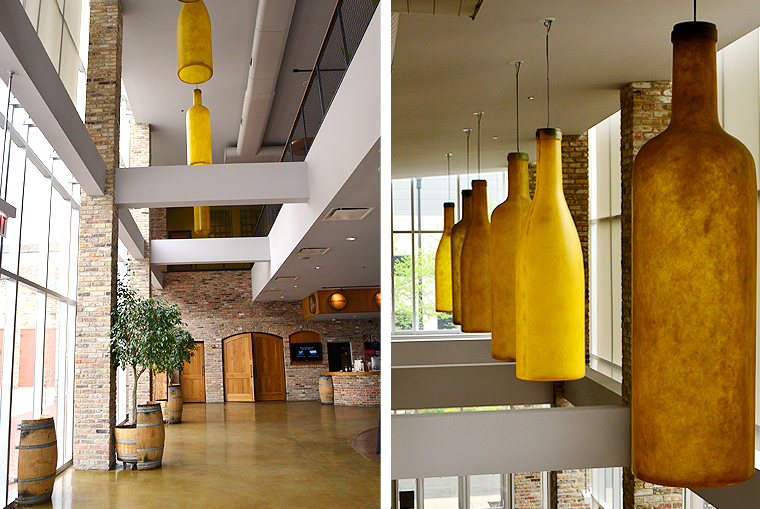
Interview with Chef de Cuisine Cory Morris of Mercat a la Planxa

CORY MORRIS HEADSHOT

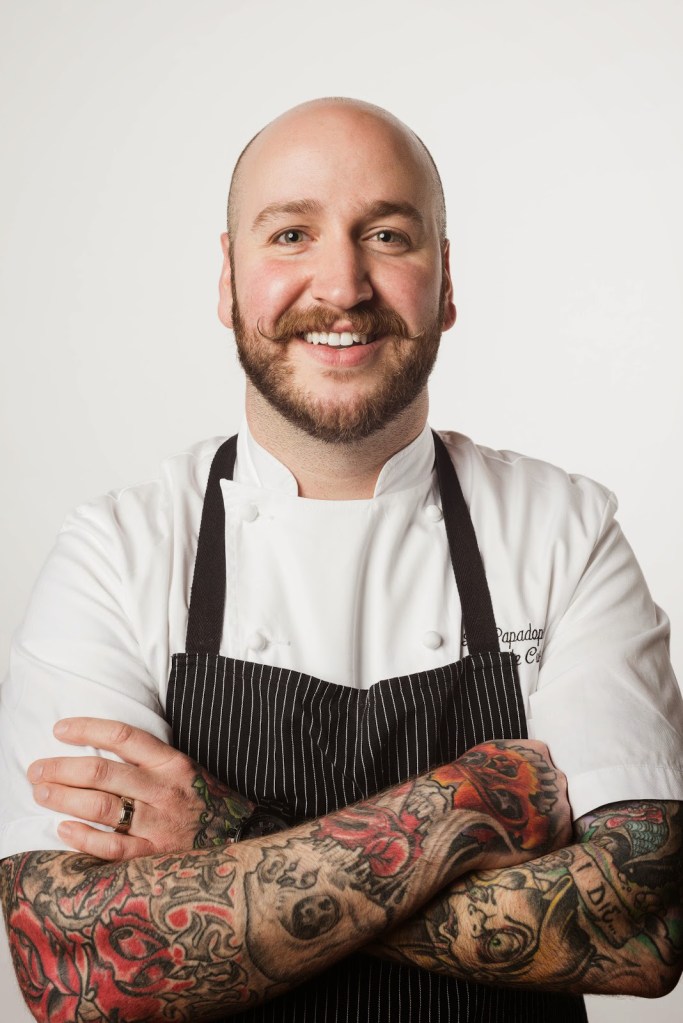
Chef Morris was born in Salt Lake City, Utah, and showed an interest in cooking from a very young age. Growing up, his earliest culinary memories were cooking dinner for his siblings so they could avoid store bought, pre-packaged meals while his parents we busy working. Chef Morris began his culinary career in 2000 as an assistant to the chef at the fine dining restaurant Mariposa in Park City, Utah. In 2004, Morris was appointed executive chef of Red Rock Grille, and later as chef of The Club at Spanish Peak in Big Sky, Montana, where he created seasonal menus and utilized local, organic ingredients.

Morris eventually moved to Chicago, where he was named sous chef at Mercat a la Planxa when it opened in early 2008 under the direction of Executive Chef Jose Garces and Chef de Cuisine Michael Fiorello. Now, as chef de cuisine, Morris enjoys adding a modern spin to Catalan classics. Chef Morris’s approach to food is derived from his travels through Spain, France, and the United States, as well as the industry luminaries he has worked alongside, including chefs Jose Garces and Joyce Goldstein. He believes that food is meant not only for consumption but to excite the palate and create memories. In his spare time, Chef Morris enjoys cycling and exploring different cultures through Chicago’s diverse neighborhoods and their food. He is also an avid support of local charities The Cara Program and The IRA’s Education Foundation – ProStart.

Describe your culinary philosophy and approach to cooking in three words.
Authentic. Updated. Flavorful.


How did you get started cooking, and when did you decide to make a career out of it?
I started cooking for my family when I was young because my parents were both busy working. I started cooking professionally at 16 years old.


Who are your main culinary influences?
Jose Garces


Is there a process you follow while creating new recipes?
Start with a good base recipe and add a unique flavor, technique, and always use the best possible product.


Name three dishes at Mercat a new diner shouldn’t miss.
Conill AMB Castanyes (braised rabbit agnolotti) Cordero a la Planxa (Grilled Lamb Chops) Coliflor amd Mostassa (cauliflower with pickled mustard seed vin.)


What are your most and least favorite ingredients to work with?
Least: Processed cheese
Most: Any cut of pork especially the Iberico Secreto


What are your favorite cookbooks?
Catalan Cuisine by Colman Andrews and Culinary Artistry by Andrew Dornenburg and Karen Page


What cities/countries would you like to go to for your culinary travel?
San Sebastian is my favorite city in the world.


The critics have their favorites, but I like to eat where the Chefs eat. Besides Mercat, what restaurants do you like to eat at in Chicago?
Purple Pig on Michigan Ave. for date night, Lao sze chuan in China town for hot pot, Tank Noodle up north for Pho, and EL ideas for big celebrations.


What do you like to cook for friends and family?
Anything that I can throw on the grill


Do you have a guilty pleasure; something you eat when nobody is looking?
Popeye’s Chicken!


Culinary school or no culinary school?
Did not attend. I learned everything I know about Spanish food from Jose Garces and taking multiple trips to Spain.


What tips would you offer young chefs just getting started?
Start from the bottom and work your way up. Take the time to master the basics (knife skills, sauce work, etc.) before you try to be the next top chef. No one cares if you can make a coconut sphere with some weird powder if you can’t dice an onion properly.


There are many aspiring cooks out there like myself who are not beginners but haven’t yet reached the professional level; what advice you would give us to take our cooking to the next level?
First piece of advice is to always cook in season because that’s when the ingredient has the best flavor. Secondly seasoning is one of the most important aspects of cooking and different things require different levels of seasoning. For instance I always heavily season steak with Kosher salt and lots of fresh ground pepper. But for a more delicate protein like halibut I season it with kosher salt and a little white pepper. Lastly when you are ready to experiment and work with flavors and ingredient that you might not be used to pairing together you should reference Culinary Artistry by Andrew Dornenberg and Karen Page it’s a cookbook that I often refer to whenever I am having trouble coming up with a new idea.

Mercat a la Planxa: Chicago Tapas Restaurant and Bar

mercatalaplanxa1-copyright2012-2014_27

Located in the historic Blackstone Hotel, Michelin-star Mercat a la Planxa is Chicago’s top Spanish restaurant. Guided by Executive Chef and native Chicagoan Jose Garces, recipient of the James Beard Award, and winner of Food Network’s The Next Iron Chef, the restaurant operates under the daily guidance of Chef de Cuisine Cory Morris. The Catalan word Planxa means grill or iron, and in this case refers to Catalan style grilled tapas that are synonymous with the region. Chef Morris’ unique approach to food reflects his travels as well as the influences of great chefs he’s worked alongside, including Jose Garces and Joyce Goldstein. He believes that food should excite the palate and so Chef Morris has taken traditional Catalan tapas and updated them with a contemporary flair, producing small and mid-size plates that challenge convention and excite diners.

mercatalaplanxa2-copyright2012-2014_27

mercatalaplanxa3-copyright2012-2014_27

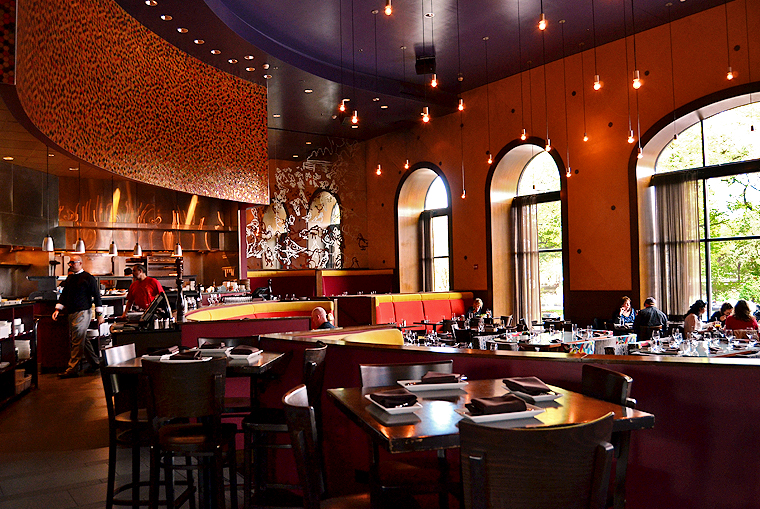
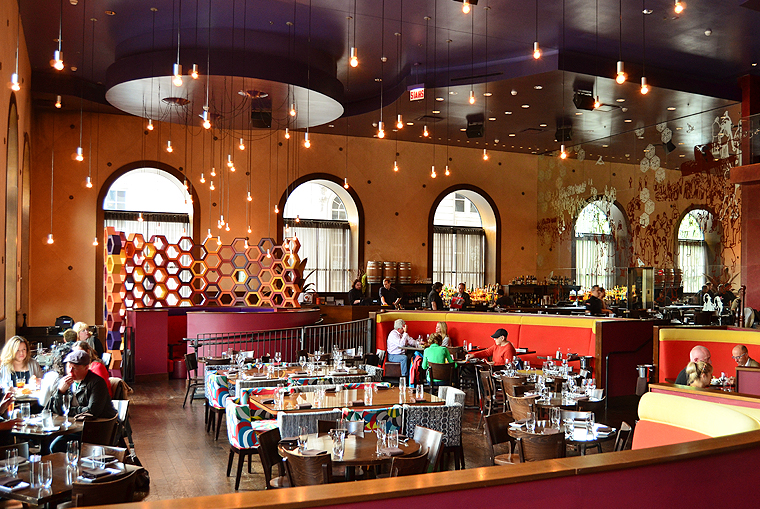
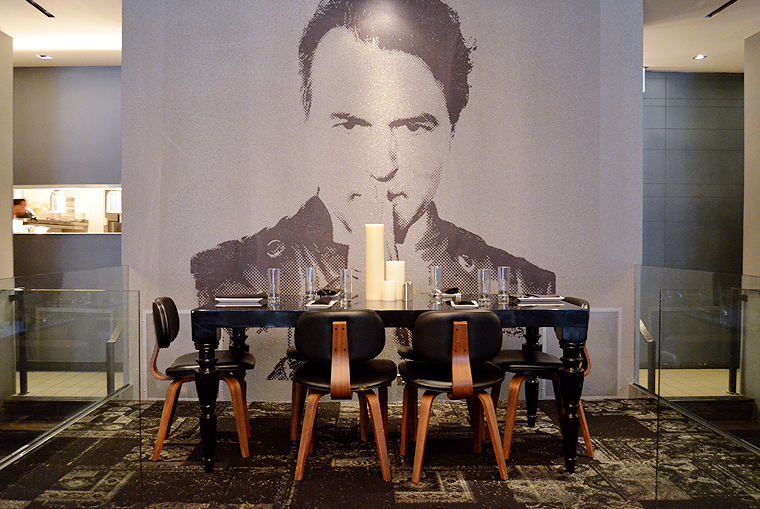
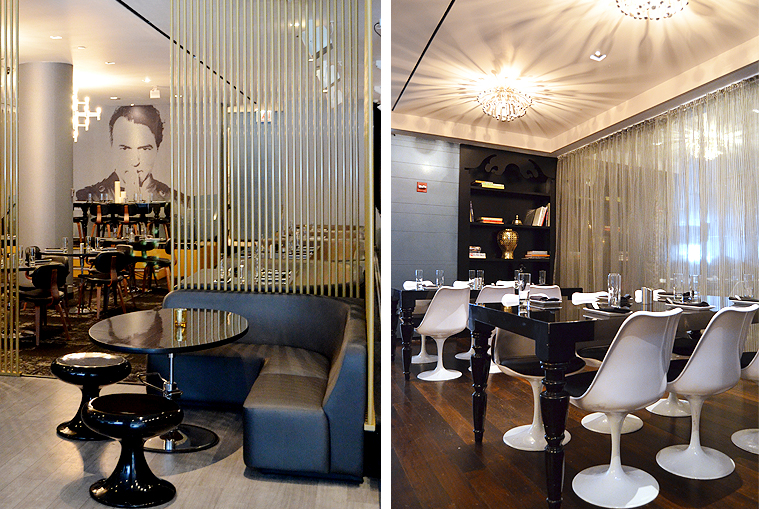
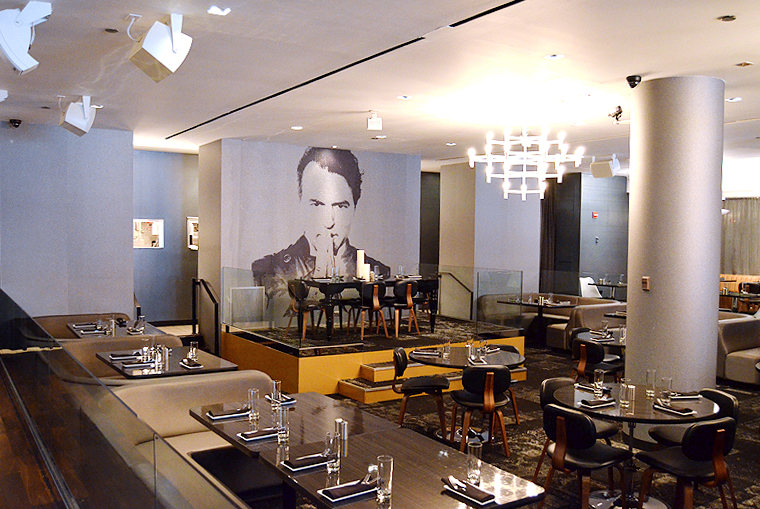
When you enter the dining area through the glorious Beaux-Arts lobby, a dramatic swirling staircase and a long bar offering unique cocktails greet you. You can see the kitchen staff hard at work in a large, open kitchen that overlooks the dining room, allowing quick service despite the bustling atmosphere. The high ceilings provide an open atmosphere despite the room being filled with tables, while the eclectic combination of mismatch chairs, bright colors and bold patterns create a sophisticated contemporary feel. I choose a table by the window to take advantage of the ample natural light, and watch the kitchen staff busily serving up small plates. A few minutes later Chef Morris arrives with my first dish.

TOCINILLO DE CIELO
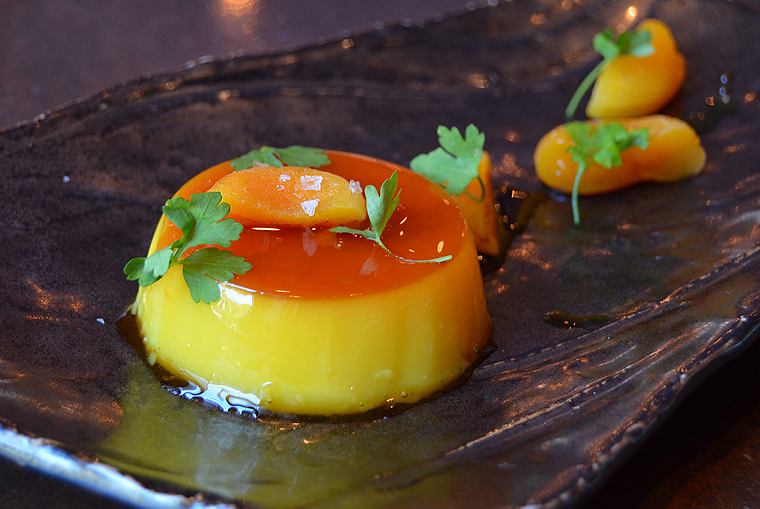
Saffron Vanilla Custard with White Wine Poached Apricots, Piqual Olive Oil and Micro Tarragon

Tocinillo del cielo is a traditional Andalusian custard made from the egg yolks left over when egg whites were used to clarify wines. The name means heavenly piglet, though it contains no pork. When Chef Morris was in Jaen, he visited Castillo de Canena to sample the legendary olive oil, which was so memorable that he imports it exclusively for his use at Mercat. The delicate saffron fragranced custard is made silky by the olive oil, and the micro tarragon lends a subtle herbal note. Rich but not overly so, and sweetened by the delicious wine-poached apricots, this dish can be enjoyed after both light and heavy meals, at any time of day.

mercatalaplanxa4-copyright2012-2014_27

DATILES CON ALMENDRAS
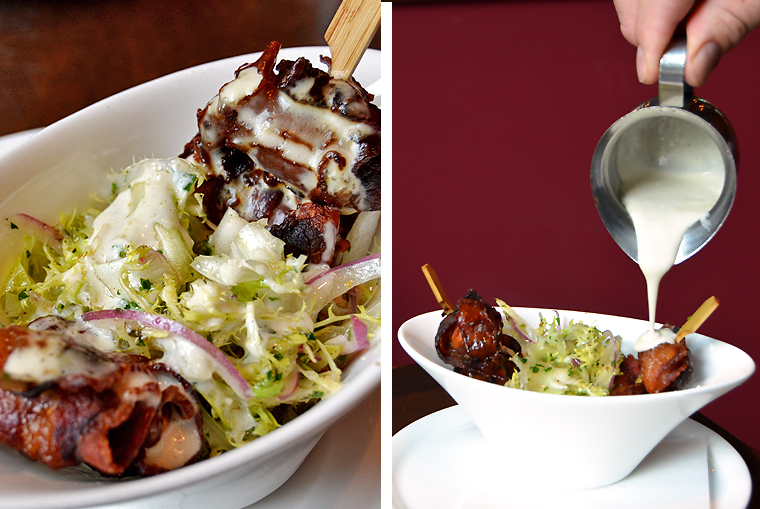
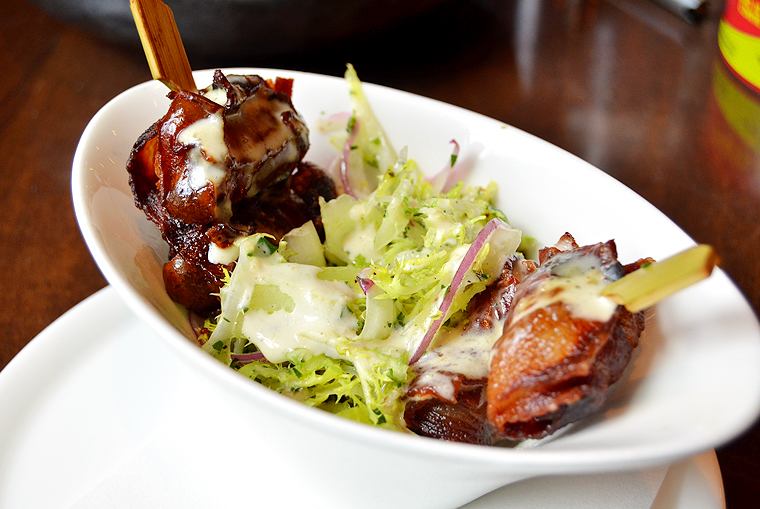
Bacon Wrapped Dates stuffed with Marcona Almonds and La Peral cheese

Bacon wrapped dates are a classic favorite at tapas restaurants, but these are stuffed with Marcona almond and La Peral, a rich, tangy Spanish blue cheese with a buttery texture and a hint of smoke. The bacon was crisp as I like it, and salty which amplified the flavor of the plump date, and the almond added crunch, while the La Peral balances the richness of the date, providing a subtle tang on the finish. Rich, sweet, salty, smoky, nutty, tangy, this dish really delivers!

mercatalaplanxa6-copyright2012-2014_27

mercatalaplanxa7-copyright2012-2014_27

CROQUETAS DE POLLO
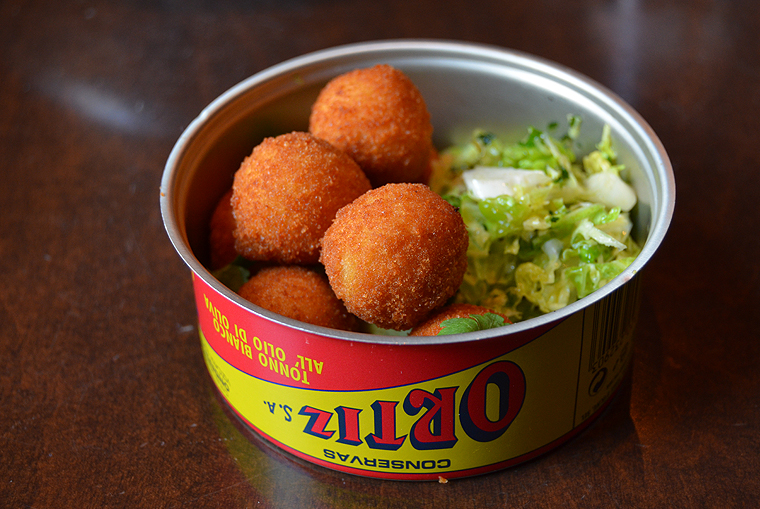
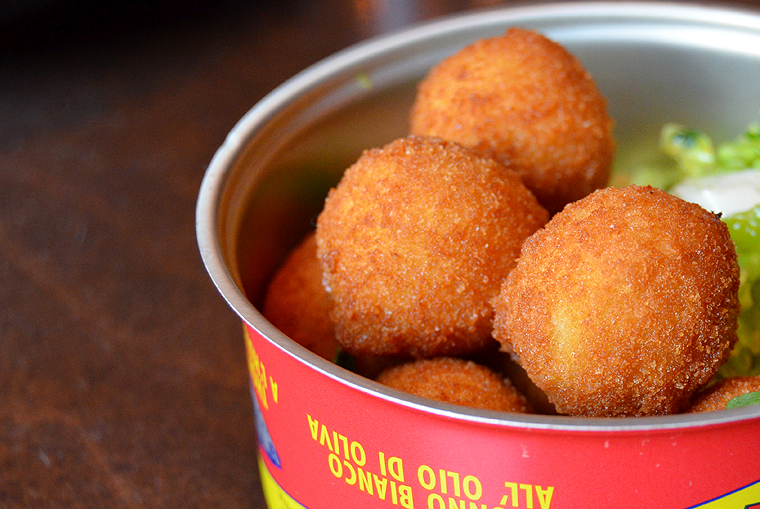
Roasted Chicken Croquettes with Truffle Aioli, Fresh Lemon Juice, Olive Oil and Savoy Cabbage

These crispy chicken croquetas are filled with a béchamel and are a nice alternative to traditional croquetas. A rich, roast chicken filling lightened by the crunch of cabbage drizzled with truffle aioli, fresh lemon juice and olive oil, the result is satisfying to the palate and lighter than I had expected.

mercatalaplanxa10-copyright2012-2014_27

mercatalaplanxa11-copyright2012-2014_27

PEIXOS EN SALSA VERDE
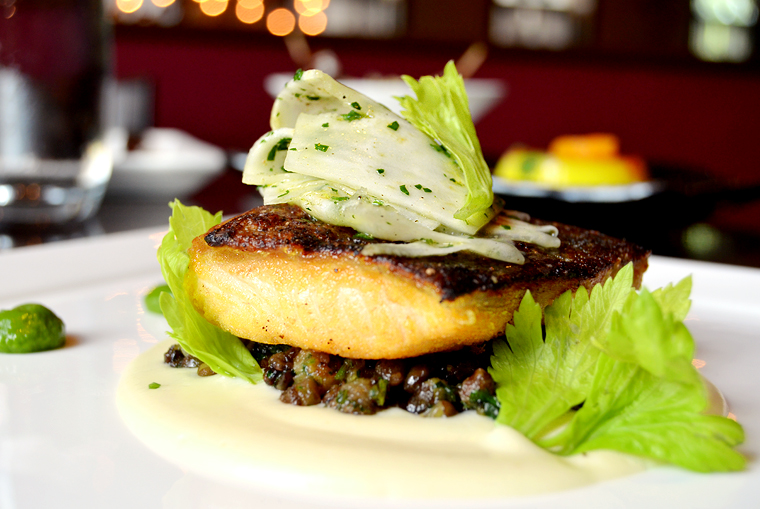
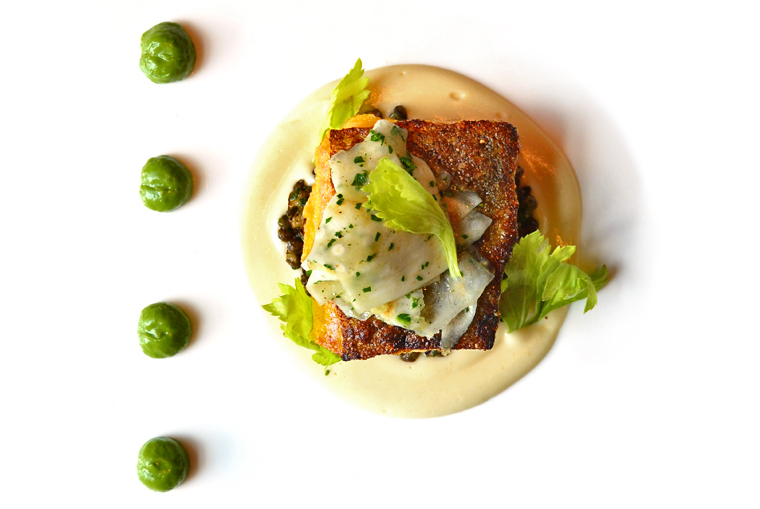
Arctic Char, Salsa Verde, Lentil, Celery Root, Roasted Eggplant

The arctic char was delicate and flavorful, shredding easily under my fork. The creamy texture of the celery root puree was a perfect match for the char while salsa verde adds acidity and contrast; the roast eggplant and lentils add an earthy flavor and balancing richness.

mercatalaplanxa8-copyright2012-2014_27

mercatalaplanxa9-copyright2012-2014_27

MAR I MUNTANYA
Braised Pork Belly, Crispy Oyster, Pocha Bean Sofrito, Morcilla, Escarole Blood Sausage

Pork belly. Fried oysters. Blood Sausage. Need I say more? The beautifully braised, thick-cut morsels of tender, buttery pork belly and golden, lightly breaded fried oysters provide a rich and satisfying centerpiece; the layers of spicy pocha bean sofrito and savory blood sausage accentuate the indulgent nature of the dish and provide an explosive combination of bold flavors.  I could eat an entire plate stacked with these fried oysters, they were wonderful and not the least bit greasy.

mercatalaplanxa5-copyright2012-2014_27

PATATAS CON BACALAO
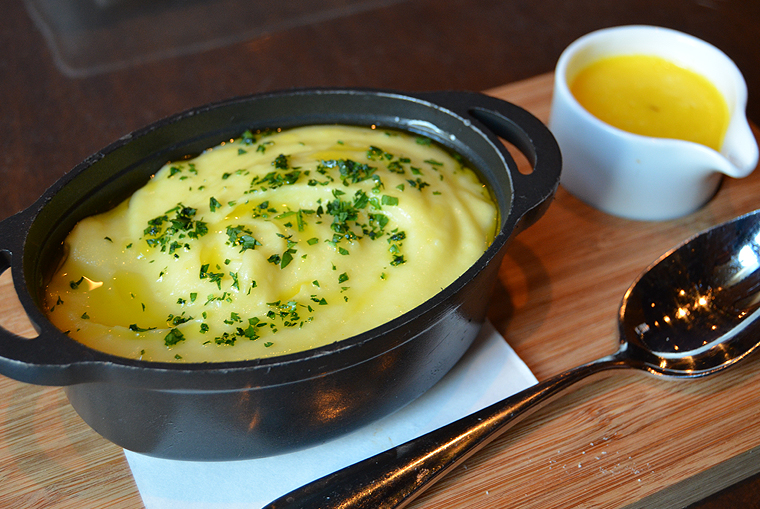
Olive Oil Whipped Potato, Saffron Salt Cod Cream

The smooth, creamy, potato puree whipped with Spanish olive oil only and drizzled with saffron and salt cod cream. Amazing. These changed my opinion of potato puree and I will forever make mine with good olive oil. The salty burst of umami from the cod and the delicate yellow tinge of fragrant saffron are a stroke of genius, it would be a sin to call these ‘mashed potatoes’.

mercatalaplanxa13-copyright2012-2014_27

CORDERO a la PLANXA
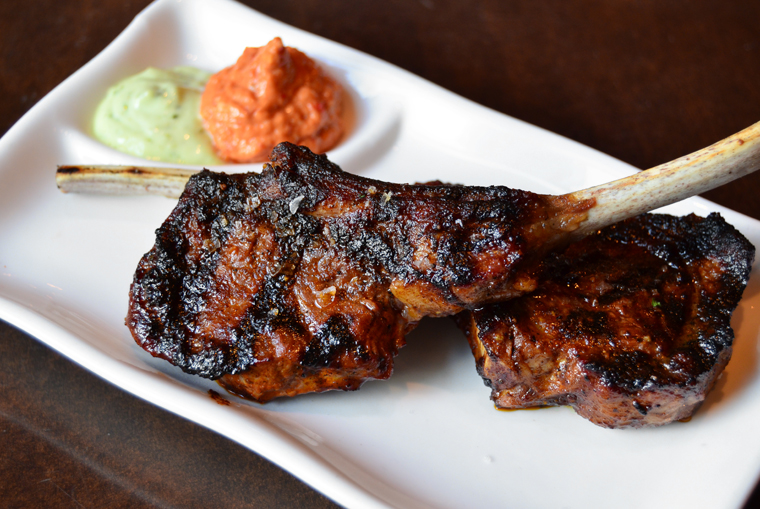
Rack of lamb with Romesco and Guindilla Aioli Sauce

Grilled to a perfect medium rare, the lamb chops were tender, incredibly juicy and irresistibly seasoned. Marinated in a Nora Chilie, roasted garlic rub, and served with a guindilla pepper aioli and romesco sauce. This lamb is probably the finest I’ve ever tasted.

mercatalaplanxa12-copyright2012-2014_27

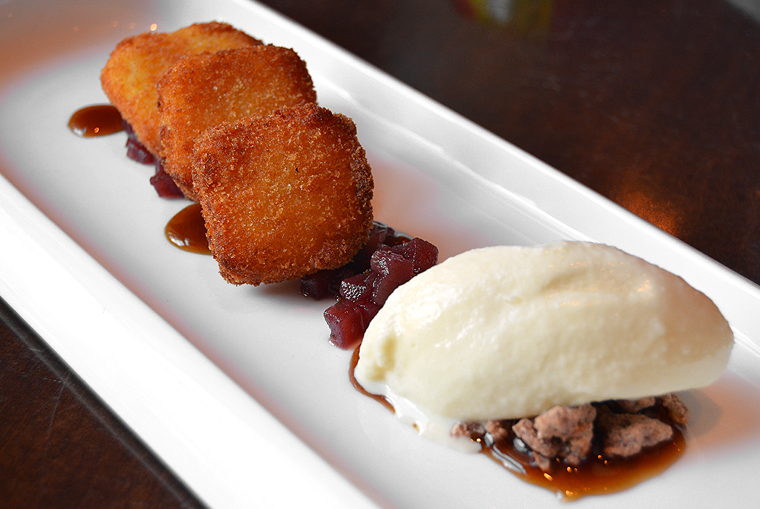
LECHE FRITA
Fried Vanilla Custard, Braeburn Apple, Canela Ice Cream, Pedro Ximenez Maple Syrup, Candied Pecans

Leche Frita is a classic Spanish dessert. A crispy, golden, hot exterior concealing a firm, creamy custard with a cool center. The apples braised in Temprenillo are delicious and could be a fine dessert on their own, but they pair so nicely with the canela ice cream. There’s a hint of maple syrup and the crunchy, sweet and salty candied pecans are the perfect finish.

mercatalaplanxa14-copyright2012-2014_27

mercatalaplanxa15-copyright2012-2014_27

Chef Morris’ menu at Mercat a la Planxa changes frequently and is the perfect way to sample Catalan-style tapas right here in Chicago. Mercat is open until 10 pm Sunday – Thursdays and 11pm on Friday and Saturday, so the post-theater crowd can enjoy late night snacks and cocktails. Do yourself a favor, head to Mercat a la Planxa and take a culinary trip to Spain departing from Michigan Avenue, you won’t regret it.

Laurent Perrier Champagnes – Tours-sur-Marne, France (Series)

laurentperrier1-copyright2012-2014_27

Perhaps nothing in the whole of human history has been so closely associated with love, romance, and celebration as Champagne. But it’s not just bubbles that create the magic; sparkling wines come from all over the winemaking world, and many of them are quite good. What truly makes sparkling wine Champagne is not only that it’s produced in the Champagne region it’s the terroir.

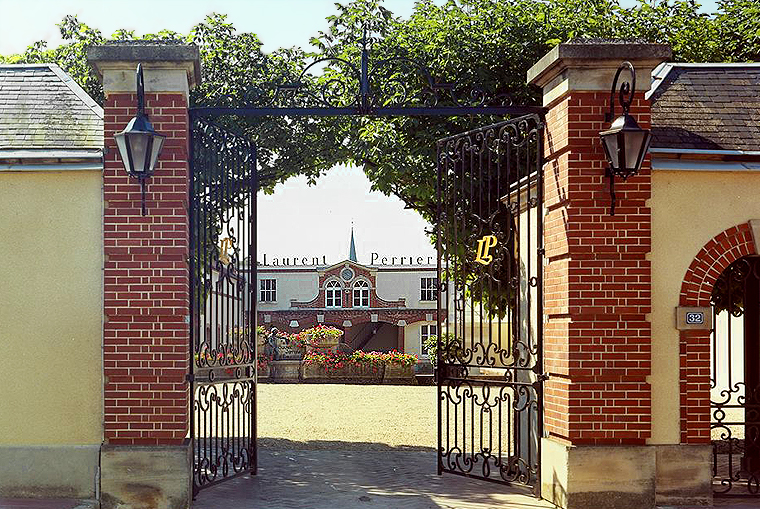
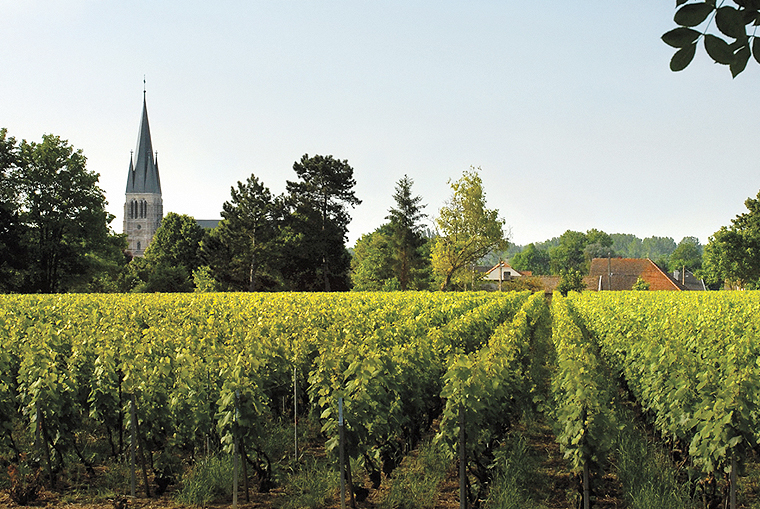
Literally translated, terroir refers to the land and the soil. But its so much more than just soil composition and climate; its centuries of history, tradition, and most of all the people who elevate the crafting of bubbly wine to an art form. Tucked away in the heart of the Champagne region, Tours sur Marne is a scenic village where the masters of Laurent Perrier quietly craft legendary, world-class Champagnes just 45 minutes outside Paris.

laurentperrier2-copyright2012-2014_27

laurentperrier3-copyright2012-2014_27

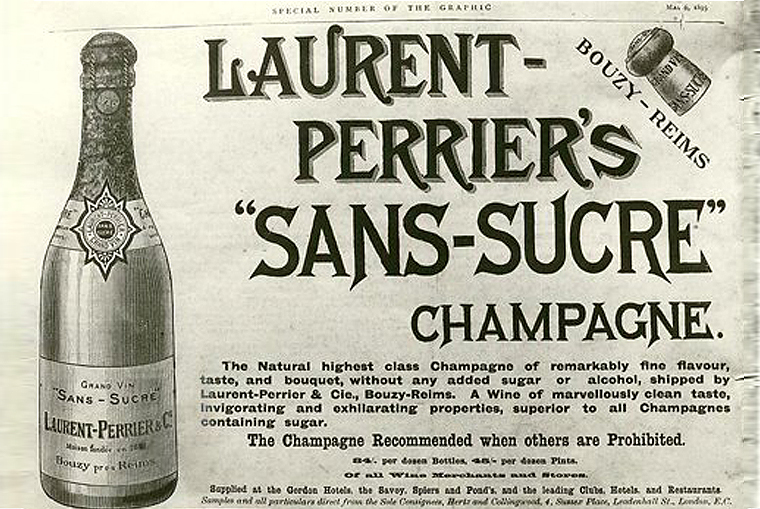
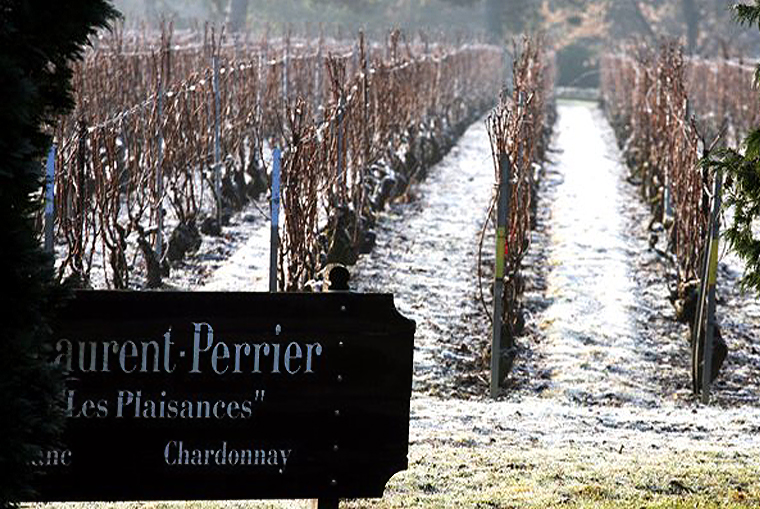
Laurent Perrier was established in 1812, and in the course of 202 years has become one of the most distinguished family-owned Champagne houses in France. It began when a former cooper and bottler by the name of Alphonse Pierlot purchased two parcels of land named “Plaisances” and “La Tour Glorieux” in Tours-sur-Marne. Pierlot later willed his company to a cellar master, Eugene Laurent who ran it together with his wife Mathilde Emilie Perrier. After Eugene died in 1887 his widow Mathilde took control and attached her name to the company changing it to Veuve Laurent-Perrier (veuve meaning widow). Mathilde lead the company to great success producing 50,000 cases of champagne. This success was short-lived, due to the outbreak of World War I and the disruption it brought to all of France and French business. Following this catastrophe, Veuve Mathilde hired Alexander Fletcher Keith Mackenzie to introduce and market Laurent-Perrier in the United Kingdom. In 1925 Veuve Mathilde died, leaving the company to Eugenie Hortense Laurent.

laurentperrier13-copyright2012-2014_27

laurentperrier14-copyright2012-2014_27

Due to the setbacks from World War I and the imminent outbreak of World War II, Eugenie sold the company to Mary-Louise Lanson de Nonancourt in 1939. Marie-Louise invested all she could in the company, keeping it afloat through the turmoil of war, at one point mortgaging 1,000 cases of Champagne she had hidden behind a wall. Her eldest son, Maurice, died during the war in the concentration camp at Oranienburg leaving his younger brother, Bernard de Nonancourt, as the heir apparent. Upon Bernard’s return from war, his mother set about educating him on every aspect of Champagne making at the Houses of Lanson and Delamotte. In 1949 Bernard de Nonancourt became the owner of the company and saw it become one of the largest family-owned Champagne houses. The de Nonancourt family still retains majority ownership of the company to this day.

During the Second World War many French winemakers hid their finest wines behind cellar walls. Madame de Nonancourt, Bernard’s mother, was a devoted Catholic and so placed a statue of the Virgin Mary behind the wall along with the wines. According to legend, as she did so she declared, “If you take good care of my wines, I shall be very pleased, but if you do not, I will break you.” As fate would have it, she didn’t break the Virgin Mary, and all of the wines survived.

laurentperrier4-copyright2012-2014_27
laurentperrier5-copyright2012-2014_27

Another legendary story was that of Bernard de Nonancourt. Bernard’s military troop was sent out to Germany to Hitler’s lair, the Eagles Nest. This area was still untouched when they arrived, and Bernard’s troop climbed the mountain to see what was inside. He and his crew blew the cellar doors open, and because Bernard knew champagnes and wines, he recognized bottles that had been confiscated by the Germans from a place that Bernard had once worked. There were far too many bottles for the troops to carry down the mountain so the only way to transport them was on stretchers provided by the medical units and when more were needed, they used their tents. “Knowing the French, those bottles didn’t last long at all” says Laurent Perrier Brand Ambassador Nicole Snozzi with a laugh. Shortly afterward the Americans arrived and were upset to see that the French troops had flown the French flag above the Eagles Nest. They promptly requested that the French flag be removed, to which the French troops responded ‘no problem’ because they had already recovered the bottles of wine and Champagne from the cellar. The French troops gladly shared their treasure with the Americans; these were not just wines, but rare wines and highly prized Champagnes were shared and even poured into canteens, improving moods and troop morale.

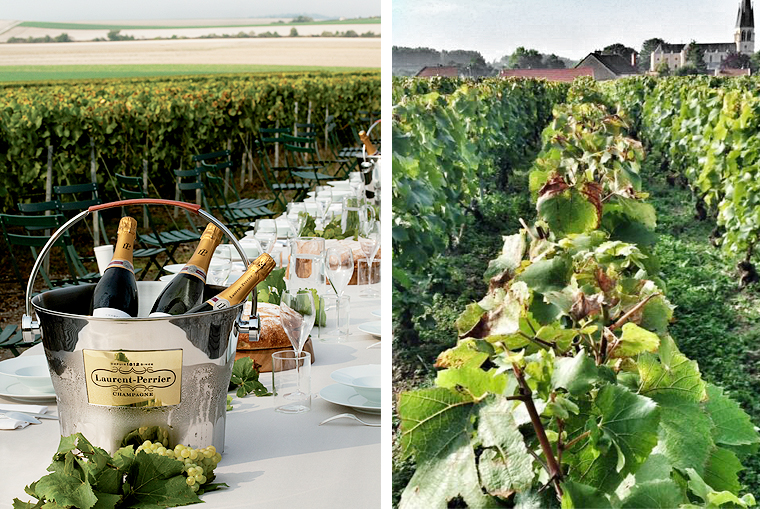
The Champagne region encompasses over 35,000 acres of vineyards, which are scattered throughout the region and extend nearly as far as Burgundy. According to French law, the winegrowers are restricted in their production to promote investment in quality over quantity, and the soils across the region range from very chalky and almost white, to much less so.

When one visits Laurent Perrier you will first be greeted by a fountain featuring a statue of a little boy peeing, with a sign that reads “Ne Buvez Jamais d’Eau” or “Don’t Drink the Water”. With so much Champagne about, this is sound advice.

laurentperrier6-copyright2012-2014_27
laurentperrier7-copyright2012-2014_27

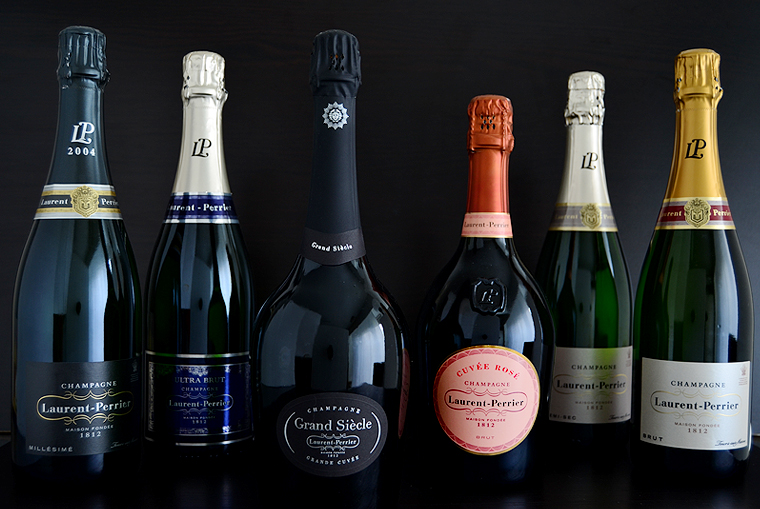
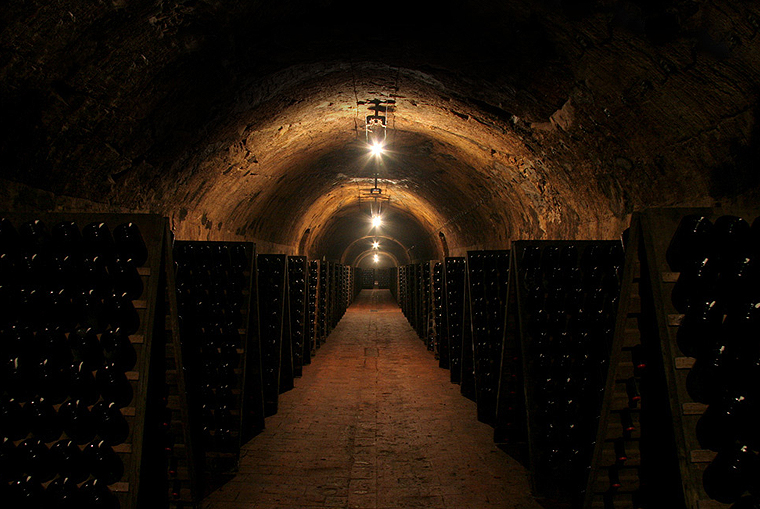
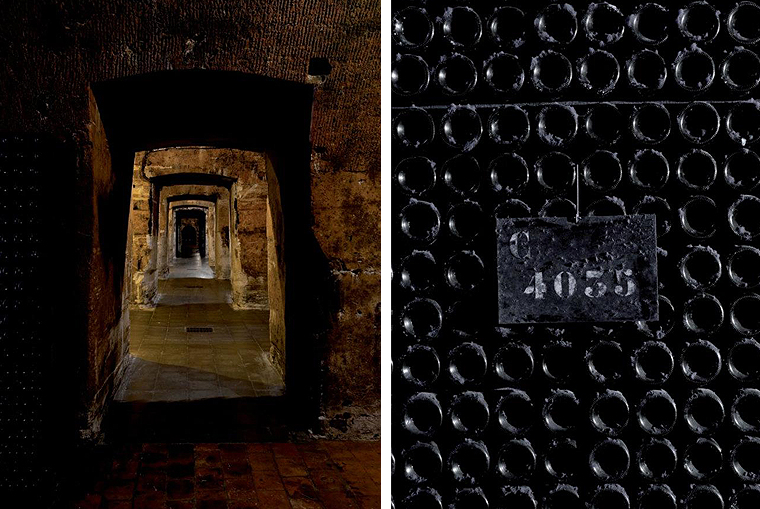
The underground cellars of Laurent Perrier flow more than 10 kilometers, in which over 25 million bottles Champagne are gently aging, which is a 4 or 5 year supply. These cellars are centuries old and contrast starkly with the sleek stainless steel tanks of the modern era. Laurent Perrier was one of the first houses to switch to all stainless steel in the 1950’s, which they believe contributes to the fresh and pure style of Champagnes they are known for. These tanks don’t just hold fermenting wine, they are also used to produce the most prestigious cuvée, the Grand Siècle or ‘great year’, which under Bernard de Nonancourt’s leadership was introduced in 1959, its label marked with a silver nameplate. At the end of a long hallway lined with sleek stainless steel tanks lies an elegant, modern tasting room.
laurentperrier11-copyright2012-2014_27
laurentperrier12-copyright2012-2014_27
To this day workers carefully twist each bottle by hand in a process known as disgorging. This technique disturbs the yeast sediment and produces the finest bubbles. This process is repeated up to four years for some of the Champagnes, and Laurent-Perrier has developed an enviable reputation for its consistent wines, blended with great intelligence by one of the Champagne region’s most outstanding Chefs de Caves, Michel Fauconnet.

laurentperrier8-copyright2012-2014_27
laurentperrier9-copyright2012-2014_27
laurentperrier10-copyright2012-2014_27In the coming weeks I will be bringing you food pairings/menu ideas featuring Laurent Perrier Champagne. Check back on Thursday for a delicious recipe and one of the perfect pairings with Laurent Perrier Champagne.

References

Interview with Laurent Perrier Brand Ambassador
Bernard de Nonancourt dies (Decanter Magazine)
The History of Laurent-Perrier
Profile
Champagne boss who blew open Hitler’s cellar dies – Los Angeles Times

Photos: A mixture of mine and courtesy of Laurent Perrier Champagne

Interview with Executive Chef Jimmy Papadopoulos of Bohemian House, Chicago

Chef Jimmy Papadopoulos_Headshot

Recently I had the chance to sit with Chef Jimmy Papadopoulos in the beautifully eclectic dining room of Bohemian House, and ask him a few questions about his background and culinary philosophy; here is what he had to say.

Describe your cooking style in 3 words.
Simple, eclectic, and complex.


How did you get started cooking, and when did you decide to make a career out of it? Were there any particular influences?

My first job was as a dishwasher in a pizza place at age 15 but ultimately I wanted to become a cook. I fell in love with the work and all the different characters in the kitchen. It was a lot of fun and my introduction to working in a professional kitchen. After that I moved on to the fish counter at Whole Foods and it was there that I met a Chef. I asked him “Hey, how do you become a Chef?” He told me he went to Le Cordon Bleu here in Chicago (CHIC). So I decided to go there and I met Chef Adam Schop of De La Costa and he had me come out and help open the restaurant as one of his cooks. That was my first professional cooking position. It was so exciting for me to work in a real kitchen, with real Chefs, to see their intensity and drive and the constant push to improve so it was pretty awesome.

I decided to make a career out of it while I was living in the suburbs and working in the city. I was in and out and decided I needed to work closer to home so I thought, ‘Hey, Marriott seems like a great company’. That was a different dynamic because it’s not a restaurant that’s cuisine focused; it’s more of an amenity to the hotel, and servicing the guests. I had a really good time there and later moved to the Renaissance Hotel in Schaumburg. Working at the Renaissance was a huge transition because that’s where I learned to be a manager and how to lead people. I was there for six years; the first two I was a sous chef and ran Sam and Harry’s Steakhouse and then finished out as their Chef de cuisine. What was so great about that job was it enabled me to have the luxury of buying whatever ingredients I wanted. I honed my cooking skills and really got to define who I was as a Chef, as a manager, as a leader. So it was really a great experience for me.

Working here at Bohemian House is a passion project; for the love of food, I’m working for the guest who comes in to experience a culinary theme, a food culture.


Who are your biggest culinary influences?
First, Thomas Keller. When I was working at De La Costa Carol Shelton (most recently the Chef De Cuisine of Boka) said I had to read The French Laundry. I didn’t know what he was talking about. Okay, it’s a laundry and it’s French… so what does that mean? I picked it up and I was instantly enamored with the book and fell in love with it. The story, the philosophy, and I think what really drove me was that it wasn’t even a bit crazy. It’s simple cooking with a real philosophy behind it, driven by technique and quality ingredients. How to braise properly or using one round of vegetables for the first batch and then using the same vegetables as a fresh garnish when the dish is finished. This was a turning point for me, there was so much technique and philosophy in that book that I fell in love with it.

Sean Brock of McCrady’s and Husk. I had been following his blog “Ping Island Strike” (seanbrock.wordpress.com) since way back – I have never met or at at any of his restaurants, but I love his style and approach to food, heritage, and preservation of culture – his cooking not only represent a place in time, but is also redefining it, and he is no doubt one of the most important chefs in our country.

As for a local influence, obviously everyone says Paul Kahan. He first started Blackbird and later opened Avec and then Publican; he is a Chicago icon. But he is also a very humble and down to earth person. I remembered when I went to Blackbird to work there for eight days, and while I was there I met him one day and I addressed him as Chef and said it was nice to meet him. He said “Hi, how are you?” and walked by. One of the cooks heard me and said “Don’t call him Chef. He likes to be called Paul.” I was shocked.


Is there a particular process you like to follow while creating new recipes?
A lot of times I will base a new recipe on tradition. This project in particular was 100% concept so I had to research the food and craft off of that. Really design it and for the most part when I concept new recipes I will start with an inspiration, like I’m out somewhere and be struck by the change of seasons; I’ll think about fall colors and then I start to think about fall ingredients. It’s an organic process, and it’s hard to say exactly how it happens. Sometimes I’ll build a dish off of a protein and look at it like, this is a rich and fatty dish, so how am I going to build it? It’s hard to pinpoint where it comes from but I’ve literally woken up in the middle of the night and scribbled down ideas. Now I like to pick up my phone and use the notebook app to write ideas down. I’m thinking about fall and I love to pick my own mushrooms, so that’s another inspiration for me too. I enjoy being in the woods during those time of the year so. Before we opened Bohemian House we were doing a R & D menu tasting and I went out mushroom hunting and I picked out 5lbs of morels and I used them for my spätzle dish for this menu for the owners and they loved it and it was such a cool experience. Inspiration comes from all over. A lot of time was spent researching and then building upon it. For instance; taking the Czech potato pancake and thinking, how can I make this beautiful, new, and fresh?


Briefly describe what a typical day is like for you at Bohemian House.
I walk in around 10am, unlock everything, turn on the lights and equipment. Check the coolers, do a walk through to see how they were left the night before. I’m stickler for how things are kept and everything needs to be organized and set up for success. The cooks begin to arrive around 11am, when we touch base and see how they are doing and start going through prep. We looks at the orders that arrived and get ready for service. We have our staff meal an hour before we open like you witnessed today. The guys will normally cook whatever they want using bits and pieces of the scraps from today to make a meal for all of us. Today was mise en place ramen. We took ramen noodles, threw them in a pot with scraps of pork belly and all types of ingredients for our staff meal. It’s usually some kind of hearty potato and pork stew or whatever we can piece together on the fly before service. Then we kick off and go into service. The quality of the workplace is defined by the people who run it. it’s the people who are in it everyday pushing for excellence and I think we’ve really done an amazing job with our kitchen staff. I’m very proud of my team; they’re the reason why we are where we are today, because they have taken my vision and helped to execute it. That’s the really fun part about it. It’s a very fun work environment. Everybody has fun here and it feels like a very tightly-knit family.


Who creates the pastries here at Bohemian House?
When we first started I did not have a pastry chef in the kitchen. I was handling both the pastry and the savory side of the kitchen. So, I decided to hire Katie Kennedy. She attended the same culinary school as I did, studying pastry. She was working out in Naperville at Paris Bistro doing small pastries. She comes in early and makes our bacon buns, and the Kolacky are her grandmother’s recipe.


Name three dishes at Bohemian House a new diner shouldn’t miss.
I would say the potato pancakes are perfectly balanced. The beet salad because so many people have had it everywhere and it’s really over done but I think we do a very unique take on it. It’s a beautiful presentation a great amount of flavor and textures. Lastly, our Czech roast duck is delicious. I would add the Spätzle and the Kolacky are also not to be missed.


What are your most and least favorite ingredients to work with?
Most favorite – too hard to say. I love working with fish. Like LOVE working with fish, but I also am enamored with beautiful fruits and vegetables, and high quality meat, and butchering pigs. Least favorite is equally hard to say – There’s something about the texture of chestnuts! I love the flavor of them, but I really dislike the texture. I would say my least favorite ingredient is an improperly utilized chestnut. Other than that there really isn’t any other ingredient I dislike. Everything has it’s own character and profile, and it all can play a role into creating something beautiful when placed in the right hands!


What tips would you offer young chefs just getting started?
Go work in a restaurant before you go to culinary school to decide you want to become a chef. If you think you want to become a chef, own a restaurant, or open a restaurant; first go work in a restaurant. If you do it because you love food and you want to take it into food writing or something else then that’s totally cool, but I think the best you can do is to fall in love with it. Fall in love with food, fall in love with everything about it, fall in love with the satisfaction it brings others. If you don’t feel that, if that’s just not there, you’ll never really and truly be successful at it. If you want an enriching career that makes you feel great you need to love what you do.


What are your favorite cookbooks?
I love Charcuterie by Michael Ruhlman because it’s on the techniques of sausage making and I think he is a fun read and I enjoy the way he writes. Another one would be 11 Madison Park by Daniel Humm. His food is stunning. Daniel Humm’s style is beautiful, graceful, and complex but at the same time very natural. Fäviken by Magnus Nilsson, who worked for Pascal Barbot’s L’Astrance and L’Arpège in France, then he was a sommelier for a short time before opening up Fäviken in Sweden in 2008, which was ranked the 19th best restaurant in the world in 2014. It’s a small restaurant and he does 12 covers per night. It’s intensely focused, laser-precise cooking, but it’s nothing fancy and it’s a very old world way of cooking. I like his book, it has a lot of great stories in it along with recipes. The River Cottage Meat Book by Hugh Fearnley-Whittingstall is another one of my favorites, there’s a story in there about how people/Americans don’t really care about the emotions of animals, or how they are treated or raised. We are too sensitive about seeing an animal being slaughtered but then we think nothing of going to Jewel and picking up a shrink-wrapped steak, with no thought to how it arrives there and no appreciation that the animal lived its life and was slaughtered to be consumed entirely, not just the filet mignon. I think most people think that the cattle goes in alive and comes out as just ribeyes, filet mignons, etc but we owe it to that animal to utilized the whole thing. That’s a great philosophy. I’m extremely excited for Sean Brock’s new book Heritage to come out.


What cities besides Chicago, do you like for culinary travel?
Portland, Oregon no doubt. It’s such a liberal, “hip” kind of city but it has such a great culture with food and people. My wife Ashly took me there two years ago as a surprise trip, we would wake up every morning and go to this little cafe called Barista for espresso and coffee, then we would walk to 5th Street food carts and get a cup of Laos Style chicken noodle soup. Chef Gabriel Rucker’s Le Pigeon was one of my favorite dinners in Portland, it was so quaint and just perfect. The kitchen is practically in the dining room with about 10-12 seats around it, there’s a beautiful copper hood hovering over the cooks, and the food was stellar. We also went to Ox which at the time was a brand new Argentinian restaurant with this beautiful wood fired grill that was practically in the dining room. We visited Chef Chef Andy Ricker’s Pok Pok which is one of my favorites; his fish offerings are incredible, and I still miss their rum punch! We went to Portland City Grill which is on the top floor of a high-rise and the views of the city were just stunning. We then headed to Cascade Brewery and had wild sour ales and then before heading to The Hair of the Dog Brewery. Portland is such a fun city, great for people watching, great food, and I would love to go back!


Besides Bohemian House, what restaurants do you like to eat at in Chicago?
Tête Charcuterie in West Loop. Chef Tom & Chef Kurt are doing some amazing work over there. The meal I had there two weeks ago was one of the best experiences I’ve had in recent memory. On one side of the restaurant they are doing their own housemade charcuterie and then on the other side of the restaurant they are doing Michelinstar. I’m also dying to check out 42 Grams and Elizabeth.


What excites you most about the Chicago food scene?
The constant competition that there is always something new popping up. There is always that drive to push to be better. Chicago is the second-city and I think it has such a great diverse food scene, and it has that broad shoulders feel; not a cocky attitude but they are all very humbly doing it. It’s really an amazing city.


What do you cook for dinner for your family at home?
Vietnamese Pho is something I love to cook for my family. I’ll throw down, it’s an all day event,  I’ll make the broth with oxtails, marrow bones, charred ginger, onions and spices. It’s just such a fun dish to make and eat at home. I like firing up the charcoals in my Weber and charring a double thick rib-eye. I really enjoy cooking for my family. My 2 year old son will eat avocados, tomatoes, steak tartare and drop a “Mmmm, that’s good!” I think when you serve chicken nuggets and noodles, then that’s all they’ll ever want. I want my son to grow up to appreciate good food and remember eating tartare with his Dad.


Do you have a guilty pleasure; something you eat when nobody is looking?
Oh my gosh! Lucky Charms at 1am; sometimes 3-4 bowls! I’m also a White Castle fanatic. I’m here cooking this food all day and on my way home I pass a white White Castle, and I’m like YES! Jalapeno cheese burgers, mozzarella sticks. I also enjoy a fried egg on two slices of white toast spread with Hellman’s mayo.


There are many home cooks out there like myself who are not beginners but haven’t yet reached the professional level; so I’m wondering what advice you would give us to take our cooking to the next level?
If you’re cooking and you want to take it to the next level it takes all of you. It’s all or nothing, you can’t give it 25% or 50% and expect to get anywhere or even be satisfied. You have to immerse yourself in it and fall in love with it! I think if you’re really serious about it, just do it because there is no better time when you have that feeling in your stomach, and that’s the time you should do it. Jump in and go with it. It’s such a fun industry and there’s so many different styles of cooking to get into, so many great people, and you never stop learning.

Beso Del Sol Sangria and Tapas

sangria1_-copyright2012-2014

If you’ve ever visited Spain, whether you’re in Granada, Andalucia, or the capital city Seville, one thing will certainly leave an impression are delicious, spicy tapas served with chilled sangria.

Spaniards care deeply about food and are proud of their cultural heritage, an example being the especially spicy tapas of Andalucia which reflect the Arabic influence of this region’s cuisine.
In fact, traditional Spanish cuisine is largely based on a Mediterranean diet, long considered one of the healthiest in the world. Spain is also an important producer of fruits, vegetables, meats, fish, and olive oil, which it exports to most of the world. Of particular importance are the legendary Spanish cured hams; the most prominent of which are from Serrano and Iberico. Delicacies aside, Spanish cooking is still essentially family cooking, prepared simply using fresh produce and high-quality ingredients.

sangria17_copyrightcookscanvas2012-2014

sangria18_copyrightcookscanvas2012-2014

For a little historical background, the word “tapa” means lid or to cover something. The word came from the practice of placing a small plate on top of your wine glass to keep fruit flies out. This custom originated in Seville, where bartenders would serve drinks with the small plate on top, adding pieces of cheese, bread, thinly sliced Spanish ham, and a few olives to accompany the drink. Today, the word Tapas refers to small, shareable plates of various dishes, which are often salty and deep fried, or small pan-seared bites drizzled with delicate, grassy Spanish olive oil. Others feature a variety of fresh, roasted or sauteed vegetables or light, chilled ceviche.

sangria16_copyrightcookscanvas2012-2014

sangria11_copyrightcookscanvas2012-2014

Most Tapas bars distinguish themselves by their secret recipe house sangria and a wide range of mouth-watering tapas. The traditional way to enjoy tapas is standing at the bar with a group of friends, who share the dishes, washing them down with wine, beer, and of course, Sangria. In the early years of the tradition, tapas were served free with a drink, and to this day some bars and restaurants in Grenada continue to do so. Occasionally tapas are referred to as pinchos, which were originally served with wine or sherry, though this is becoming less and less common. At the end of your meal, the waiter or waitress simply adds up the number of toothpicks on your plate to calculate your share of the bill, as it is customary to move from bar to bar, sampling the various specialty house tapas offered at each restaurant.

sangria12_copyrightcookscanvas2012-2014

sangria13_copyrightcookscanvas2012-2014

sangria14_copyrightcookscanvas2012-2014

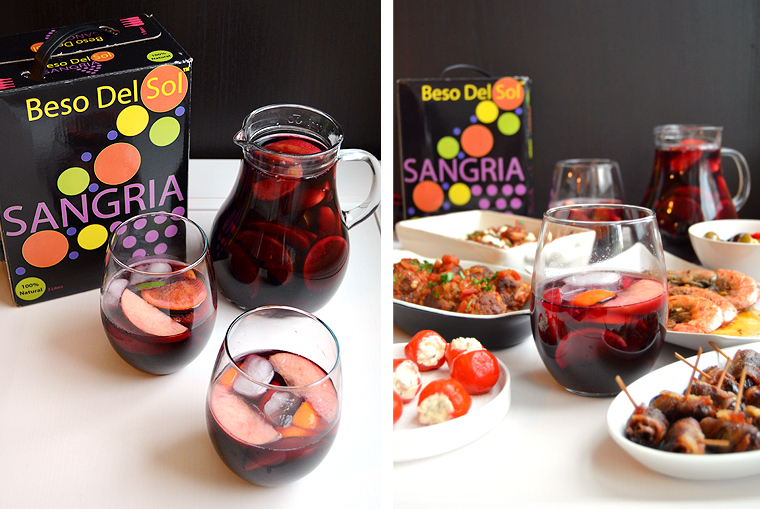
Sangria is a vibrant, deep-purple, sweet wine made from Tempranillo grapes, blended with fruit extracts, and is customarily served chilled with slices of fresh fruit which is often soaked in Sangria, mingling the fruit flavors. Recently, I had the pleasure of trying Beso Del Sol, the first boxed sangria. The phase “Beso Del Sol” means kissed by the sun, which very poetically describes this high quality, 100% natural sangria produced in Spain. It is made from premium quality, medium-bodied Spanish Tempranillo wine which is flavored with a carefully blended selection of Mediterranean fruit extracts, creating a vibrant, light and fruity sangria that I found moderately sweet and very refreshing. Tempranillo wine itself features cherry and strawberry aromas, which shine through the other fruit flavors, and the sweetness is balanced with tannin’s you can feel in your cheeks.

sangria2_copyrightcookscanvas2012-2014

sangria4_copyrightcookscanvas2012-2014

sangria10_copyrightcookscanvas2012-2014

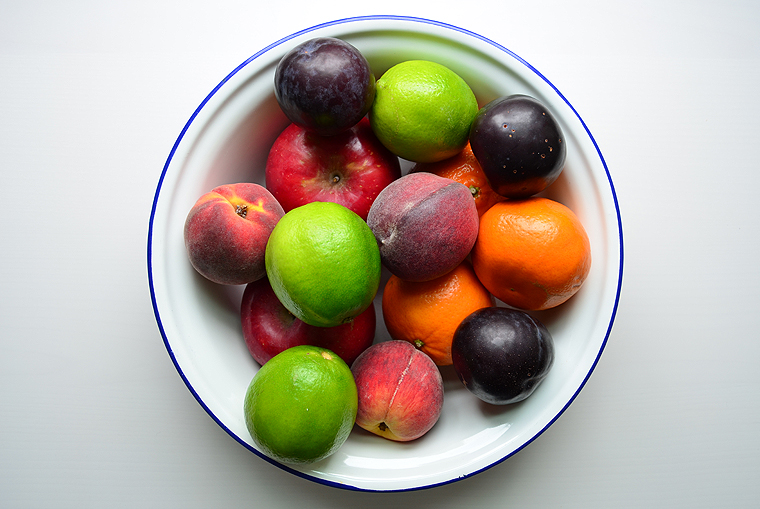
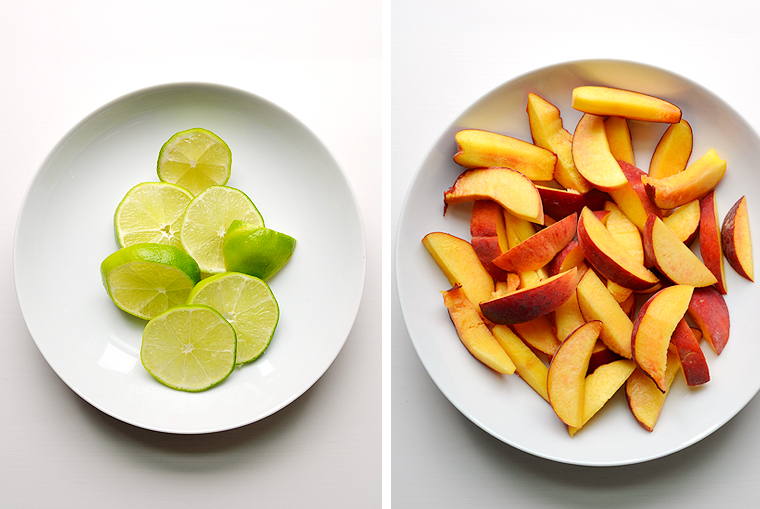
While there are many recipes out there for summer sangria’s, this one is already expertly mixed and available at a growing selection of wine retailers and grocers specializing in European foods. All that’s left to do is chill it and enjoy. While this sangria really needs no garnish, I added some sliced fresh fruits, which steep in the sangria, turning into a delightful fruit salad waiting at the bottom of your glass. The eco-friendly 100% recycled cardboard packaging contains four 750ml bottles (3 liters) of wine and retails for $20. I purchased mine at Caputo’s. The wine inside will stay fresh for up to six weeks after opening, but it never seems to last longer than a few days!

sangria6_copyrightcookscanvas2012-2014

sangria5_copyrightcookscanvas2012-2014

Of course, you can’t enjoy sangria without tapas, so I thought, what a better way to introduce Beso Del Sol than with a few of my favorite Spanish tapas!

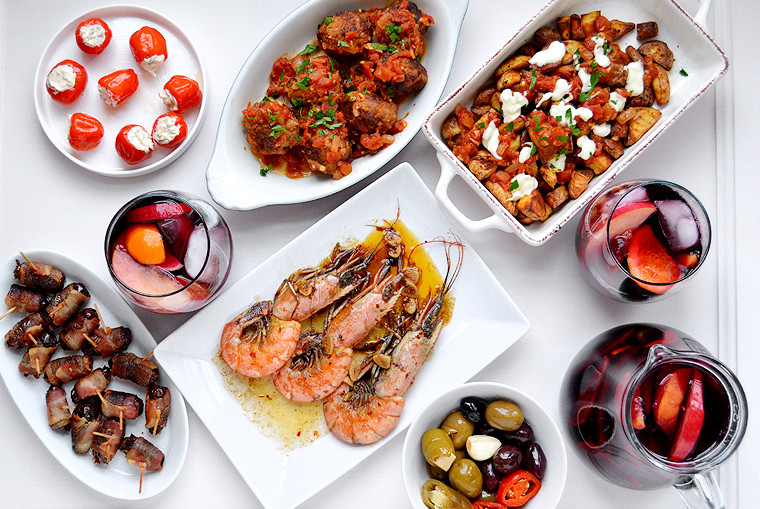
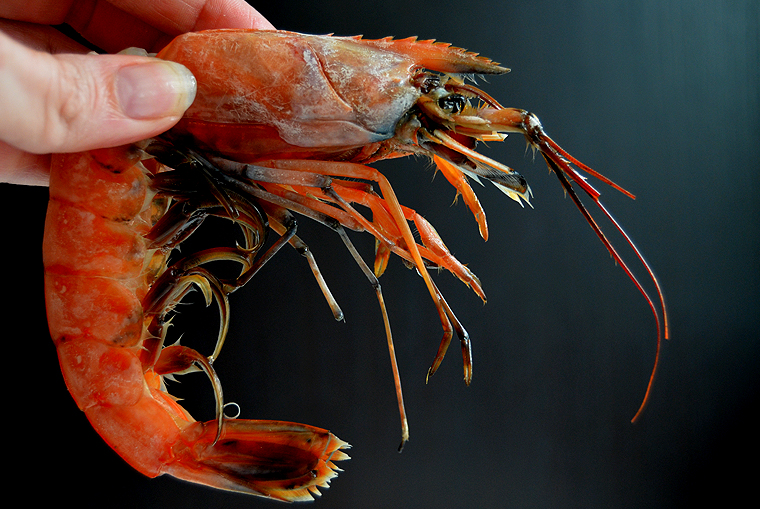
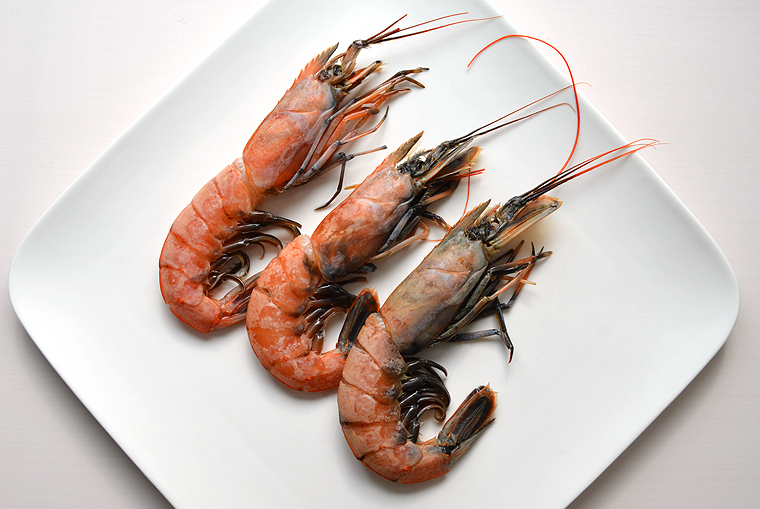
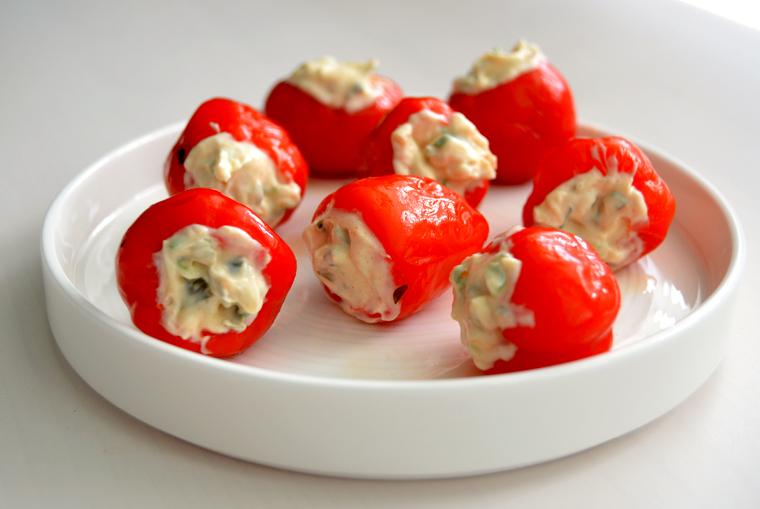
On my menu are albóndigas (Spanish meatballs) in a spicy tomato sauce, Langoustines pil-pil (baby lobsters prepared similarly to gambas (shrimp) pil-pil), patatas bravas (spicy potatoes) with a spicy tomato sauce and garlic aioli, Serrano ham wrapped dates, piquillo (sweet spanish) peppers stuffed with scallion-laced cream cheese, and a mixture of marinated olives.

Recipes

Albóndigas (Spanish meatballs) with spicy tomato sauce
makes 16 meatballs

1/2 pound ground pork
1/2 pound ground beef
1 teaspoon cumin
1 teaspoon coriander
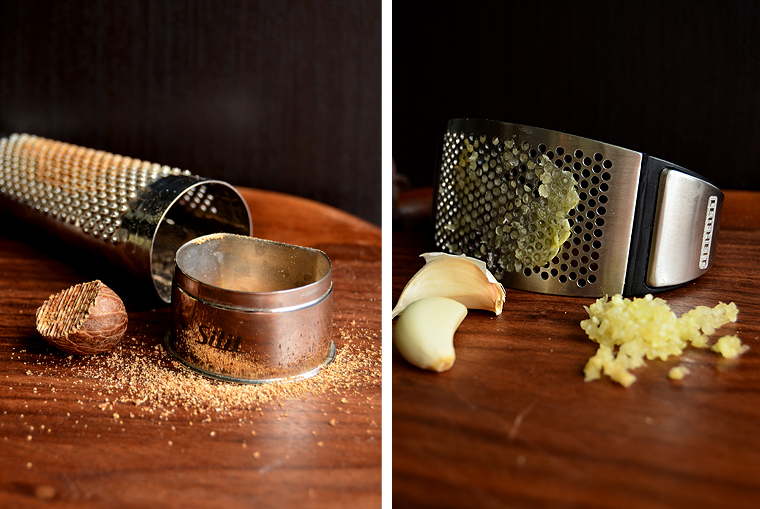
1/2 teaspoon freshly ground nutmeg
1/2 teaspoon smoked paprika
2 teaspoons of herbs de Provence
2 garlic cloves, chopped finely
1 egg
3/4 cup bread crumbs
1/2 teaspoon sea salt
1 1/2 tsp sherry vinegar (red wine vinegar also works perfectly)
2 tablespoons of olive oil
freshly chopped parsley for garnish.

Mix both ground pork and beef together in a bowl. Add all spices and blend thoroughly. Gently scramble the egg in a separate bowl and pour into the meat mixture and stir. Add the chopped garlic, bread crumbs, and sherry vinegar and mix. Roll into 16 golf ball size meatballs.

Preheat a frying pan on medium high heat. When the pan is hot, add the olive oil, and place half of the meatballs in the pan, turning frequently to brown evenly on all sides. When the meatballs are cooked through, decide whether to simmer them in the spicy tomato sauce or serve them with it spooned over the tops, then garnish with parsley and serve immediately.


Salsa de Tomate Picante (spicy tomato sauce)

1 onion finely diced
2 garlic cloves, chopped
1 1/2 teaspoons paprika
2 teaspoons chili pepper flakes
1/2 teaspoon cayenne pepper
1 can of petite diced tomatoes
2 teaspoons sherry or red wine vinegar
2 teaspoons sugar
1/2 teaspoon sea salt
1 tablespoon olive oil

Heat one tablespoon of olive in a sauce pan and add the finely diced onion and chopped garlic and saute for six minutes, stirring occasionally to make sure it doesn’t burn. Add the paprika, cayenne pepper to the onion/garlic mixture and stir. Add the canned tomatoes, vinegar, sugar, and salt, mixing well. After two minutes, add the chili pepper flakes and simmer for 20 minutes on low heat with the lid on. *Use this sauce for both the meatball and potato dishes.


Patatas Bravas (Spanish potatoes with spicy tomato sauce and aioli)

For the potatoes
5 gold potatoes, medium-diced
1 1/2 teaspoons smoked paprika
1 tablespoon olive oil
sea salt

For the aioli
1 cup mayo (I used olive oil mayo)
1 teaspoon lemon juice
3 cloves garlic, finely chopped

Preheat oven to 400F

Slice the potatoes thickly, about 1/2 inch. Alternatively, cut them into 1 inch cubes. Place the potatoes in a bowl and add the olive oil and smoked paprika then stir. Arrange the potatoes on a baking tray in a single layer. Sprinkle with salt. Bake in oven for 25 minutes until golden and crisp, then turn the potatoes over and bake for another 15 minutes.

In the meantime, mix 1 cup of mayo with the finely chopped garlic and add the teaspoon of lemon juice. Mix well. Place the potatoes in a dish and spoon over the spicy tomatoes sauce and drizzle the the aioli over the top of both. Serve immediately.


Langoustines with garlic, olive oil, and red pepper flakes

3 langoustines per person
4 garlic cloves, chopped finely
4 tablespoons olive oil
1 tablespoon butter
red pepper flakes
parsley

Preheat a small skillet on medium heat. Pour in the olive oil and the tablespoon of butter. Heat until you see a few small bubbles. Add the langoustines. Cook until you see the tails just start to curve (about 3 mins). Add the garlic and red pepper flakes and cook for another minute. Be sure to not burn the garlic!

After the langoustines are cooked, place them on a platter and drizzle a little of the olive oil, garlic, chili pepper mixture over the top and serve immediately.


Marinated olives

2 cups various olives in oil or brine, drained well
1 tablspoon good olive oil
1 garlic clove, chopped finely
1/2 teaspoon dried parsley
Combine the olives, garlic, and olive oil and sprinkle with parsley, chill before serving.


Pequillo peppers stuffed with cream cheese
4-5 peppers per person

pequillo peppers; fresh or from jar, both work perfectly (I used mini pequillo peppers)
3 tablespoons cream cheese
1/4 teaspoon chili flakes
1 scallion, finely chopped
a squeeze of lemon juice

Mix cheese, scallion, chili flakes and a squeeze of lemon. Stuff one teaspoon of cheese mixture in each pepper.


Serrano ham wrapped dates
4-5 per person

5 dates (pitted)
2 slices of serrano ham

Preheat oven to 350°F. Wrap each date with about 1/3 of a slice of Serrano ham
Bake for about 10-15 minutes or until ham is starting to get crispy.

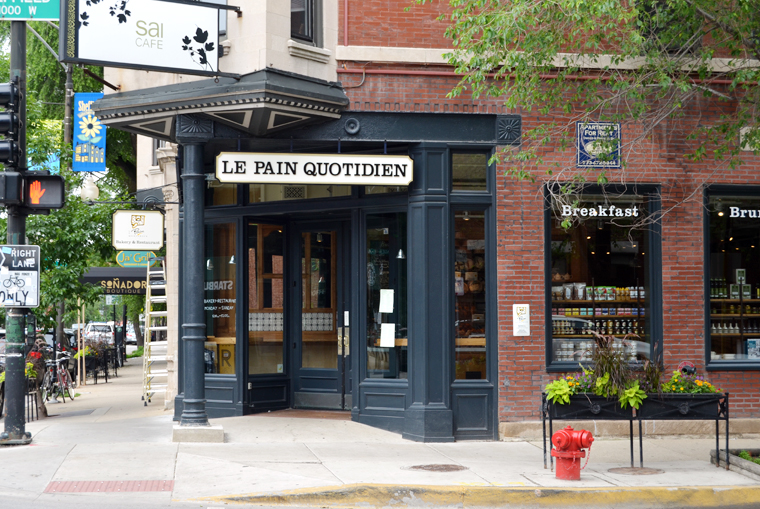
Le Pain Quotidien Bakery – Chicago

lepainquotidien1_copyrightcookscanvas2012-2014

The story of Chef Alain Coumont begins in the small town of Huy, near Liège in Belgium where he acquired an appreciation of fine food from his family; his father trained as a chef before working at the family’s grocery market, his grandfather would visit local farms on a horse-drawn cart, buying butter, cheese, honey, eggs, and all sorts of fruits and vegetables which he would sell in town, and his aunt Simone, who baked tarts that the family would enjoy every Sunday. Growing up in a family of cooks and surrounded by food culture, he decided to study at the hotel school in Namur, France just as his father had done. Upon graduating he wrote letters to ten of the top chefs in France and in 1982 he got his first job as a pastry chef working for Georges Blanc, who had been impressed that Alain had worked for Schevenels, the best patisserie in Liège, Belgium.

lepainquotidien2_copyrightcookscanvas2012-2014

lepainquotidien3_copyrightcookscanvas2012-2014

lepainquotidien26_copyrightcookscanvas2012-2014

lepainquotidien4_copyrightcookscanvas2012-2014
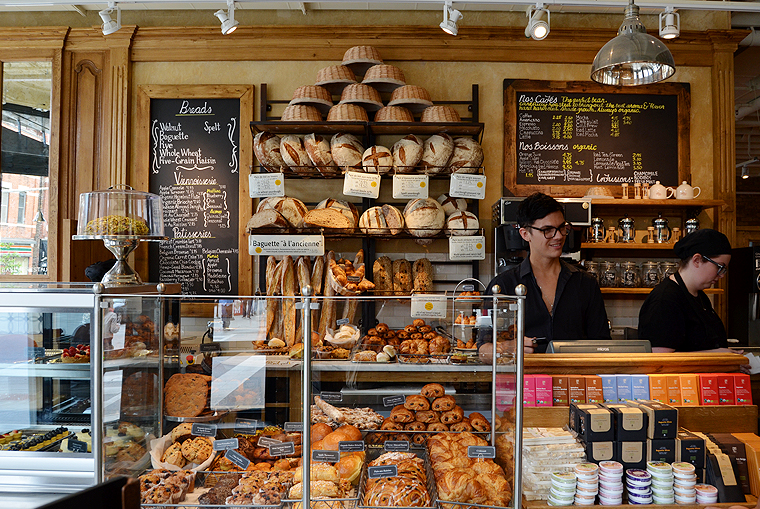
lepainquotidien5_copyrightcookscanvas2012-2014In 1987, Chef Alain opened his own restaurant ‘Le Café du Dôme’ in Brussels. Unable to secure a steady supply of bread from France, Chef Coumont started baking his own. Soon his oven was producing many more loaves than his restaurant required, and so he opened a bakery he called ‘Le Pain Quotidien’, French for “the daily bread”. Today, Le Pain Quotidien has 200 stores on 5 continents, each serving up their daily bread in addition to a menu rooted in Belgian tradition, and enhanced with local specialties. Far from your typical bakery chain, Le Pain Quotidien makes most everything entirely from scratch, offering many vegetarian- and vegan-friendly choices. The foods are prepared fresh on-premises every morning, and their simple, pure approach results in a taste that is hard to find outside of Europe.

lepainquotidien28_copyrightcookscanvas2012-2014

lepainquotidien27_copyrightcookscanvas2012-2014

lepainquotidien29_copyrightcookscanvas2012-2014

lepainquotidien31_copyrightcookscanvas2012-2014

lepainquotidien32_copyrightcookscanvas2012-2014

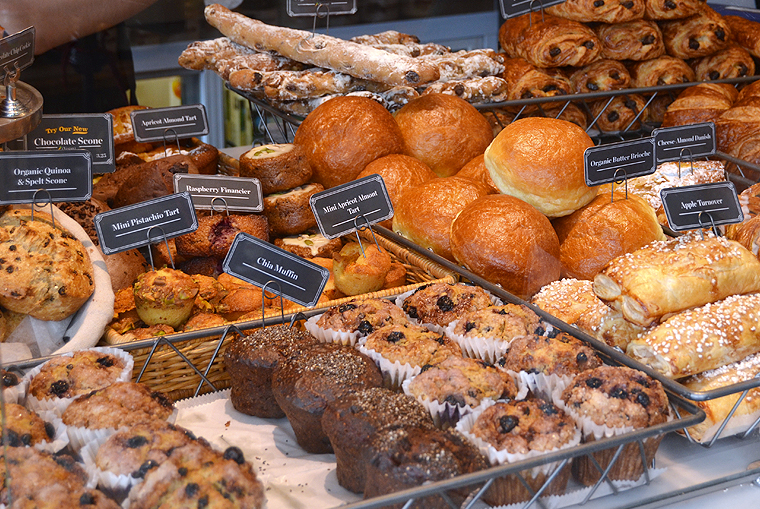
Walking into Le Pain Quotidien I was instantly greeted by the warmth of an active bakery, and the sight of its long, wood and glass display cases filled with tarts, croissant, and pain au chocolat triggers a rumbling deep within me. I proceeded to a long, communal table to sit among other hungry guests; this reminds me of the small, local restaurants and cafes of Europe, and is a welcome alternative to eating alone at an isolated booth or table, and encourages mingling and friendly conversation. Don’t worry, if dining alone is not your thing there are also plenty of regular tables to choose from. I admire the rustic, hand-built imported Belgian table briefly while waiting for my coffee to arrive. When the little ceramic pot arrives I pour some into my coffee bowl, cupping it in my hands to enjoy its warmth while I look around to notice the jars of jams and spreads on all of the tables; if yours doesn’t have the fig jam you’re looking for, perhaps ask a neighboring table to pass theirs to you. And if you aren’t looking for fig jam, you really should because you are missing out. I also recommend the brunette spread which is like nutella minus the cocoa, which suits me as I’m not really into chocolate. Other outstanding selections included a strawberry-rhubarb jam, a delightful tart, but not-too-sweet morello cherry jam, a white chocolate ‘blondie’ spread, and last but not least, a speculoos spread which is prepared from imported European spice cookies, which are quite new in the States but a classic flavor to the European palate. All spreads and jams are 100% organic and all are available for sale by the jar. I really enjoyed drinking from my little coffee bowl, and was pleased to see they are available for purchase at the front of the store. As I look up, the food is starting to arrive. Here are the items from the menu that I had the pleasure of sampling:

lepainquotidien8_copyrightcookscanvas2012-2014

Organic Baker’s Basket (100% Botanical/Vegn):
Baguette, Whole Wheat, Rye, Walnut, French Rolls (2), Hazelnut Flûte, Spelt or Five-Grain Raisin; served with organic jams, butter and spreads.

Baguettes are long, slender, and classic. The same you will find in various parts of Europe. With a crisp crust, and a tender, supple crumb these baguettes are made from organic wheat flour, sea salt, water, and yeast and pair perfectly with their fresh fruit jams or spreads.

Walnut bread is rich and nutty and benefits from organic walnuts, organic whole wheat flour, sea salt, water and levain (starter). This hearty and slightly sweet bread pairs nicely with a spread of speculoos.

lepainquotidien17_copyrightcookscanvas2012-2014
lepainquotidien16_copyrightcookscanvas2012-2014Whole wheat bread is what they are known for. It’s made with organic whole-wheat flour, sea salt, water and levain, our all-natural fermented starter. You will find it served alongside soup, salads, a hearty farm-egg breakfast or used as the base for their signature tartines.
lepainquotidien15_copyrightcookscanvas2012-2014
lepainquotidien14_copyrightcookscanvas2012-2014

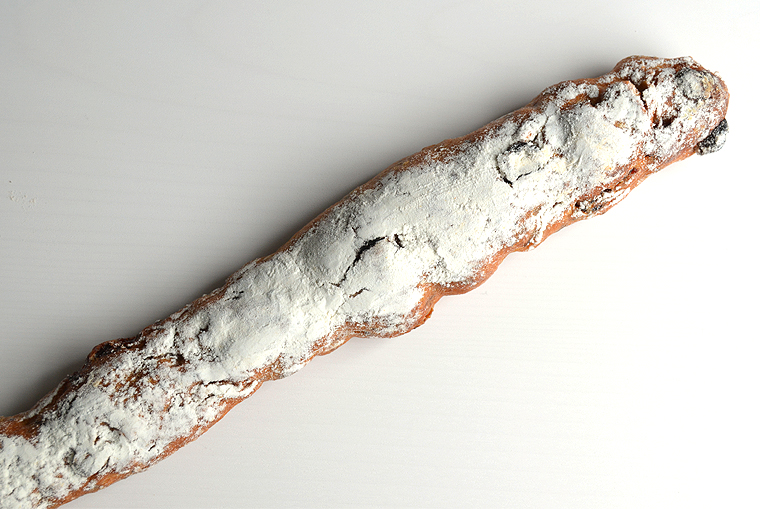
Petite flute, shaped after its namesake, begins with organic wheat flour, sea salt, water, and levain (starter). After shaping it is rolled in hazelnuts and raisins. This bread pairs nicely with a cheese plate and apricot jam.

lepainquotidien7_copyrightcookscanvas2012-2014

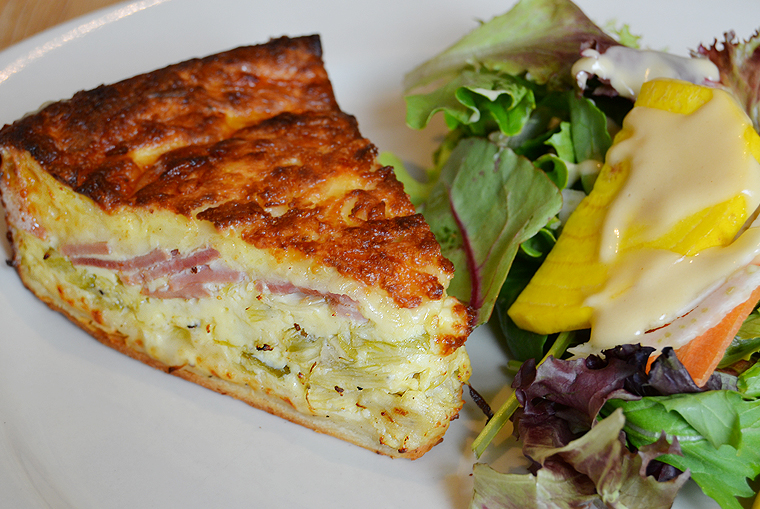
Quiche Lorraine with Gruyère cheese, Paris ham and leeks; served with green salad

lepainquotidien6_copyrightcookscanvas2012-2014

Seasonal organic egg frittata served with a green salad and organic bread. 

lepainquotidien10_copyrightcookscanvas2012-2014

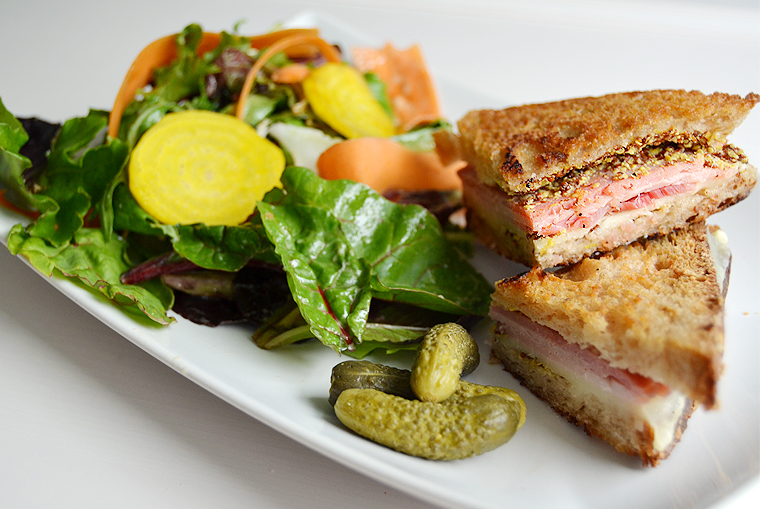
Croque Monsieur made with imported Paris Ham from France, dijon mustard and warm gruyere’ cheese. This is exactly how I enjoy my croque monsieur without the béchamel sauce.

lepainquotidien36_copyrightcookscanvas2012-2014

lepainquotidien37_copyrightcookscanvas2012-2014

lepainquotidien38_copyrightcookscanvas2012-2014

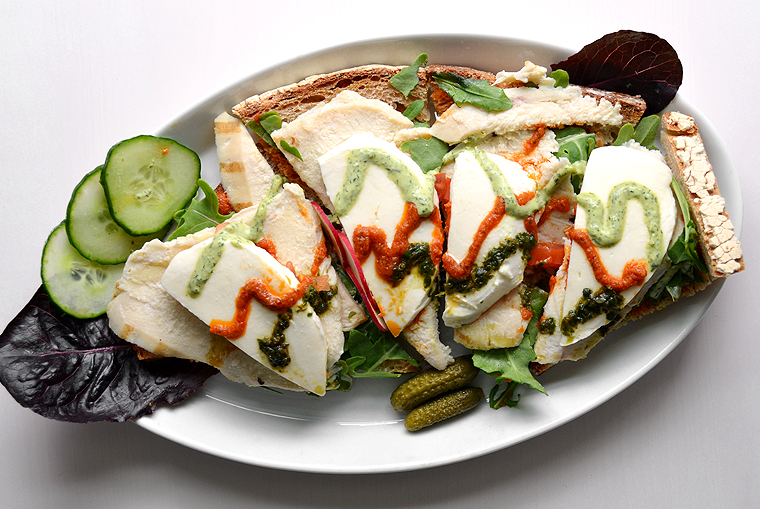
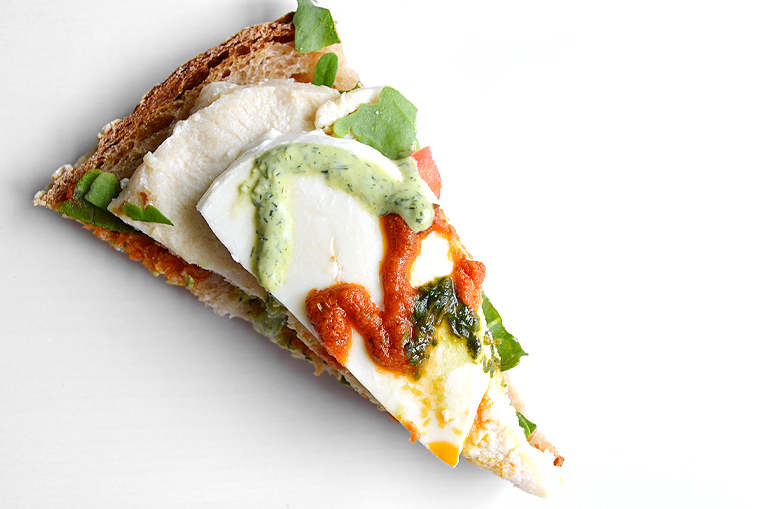
Tartine. Grilled chicken and local mozzarella tartine with diced tomatoes, arugula, herb dressing and tomato salsa. Tartines or boterhammen (in Belgium) are slices of rustic bread with spread, often soft cheese or quark, served on a cutting board with a variety of sliced vegetables such as thinly sliced radishes. Perhaps even topped with fresh shrimp, lox, herring, pancetta, pork loin or fresh vegetables such as fresh peas. While living in Germany we made these two or three times a week. Tartines are very popular in Europe.

lepainquotidien11_copyrightcookscanvas2012-2014

Pain au Chocolat is croissant dough with one or two pieces of dark chocolate placed in the center

lepainquotidien12_copyrightcookscanvas2012-2014

Crossaint and Pain au Chocolat

lepainquotidien18_copyrightcookscanvas2012-2014

lepainquotidien19_copyrightcookscanvas2012-2014

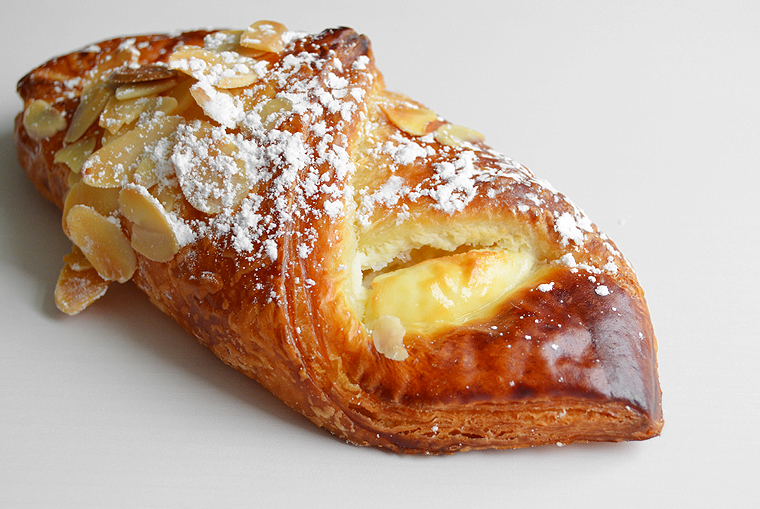
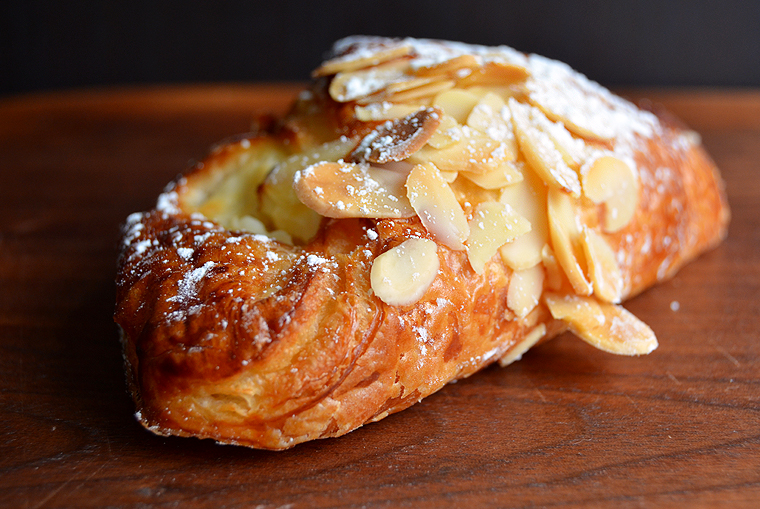
Cheese Almond Danish

lepainquotidien22_copyrightcookscanvas2012-2014

Raspberry Tart

lepainquotidien21_copyrightcookscanvas2012-2014Blueberry Tart

lepainquotidien25_copyrightcookscanvas2012-2014

lepainquotidien39_copyrightcookscanvas2012-2014Organic Carrot Cake Muffin (100% Botanical/Vegan) I would head to this bakery now and purchase one of these. The best carrot cake muffin!

lepainquotidien24_copyrightcookscanvas2012-2014

Coconut Macaroon (gluten-free) with Organic Carrot Cake Muffin

lepainquotidien20_copyrightcookscanvas2012-2014

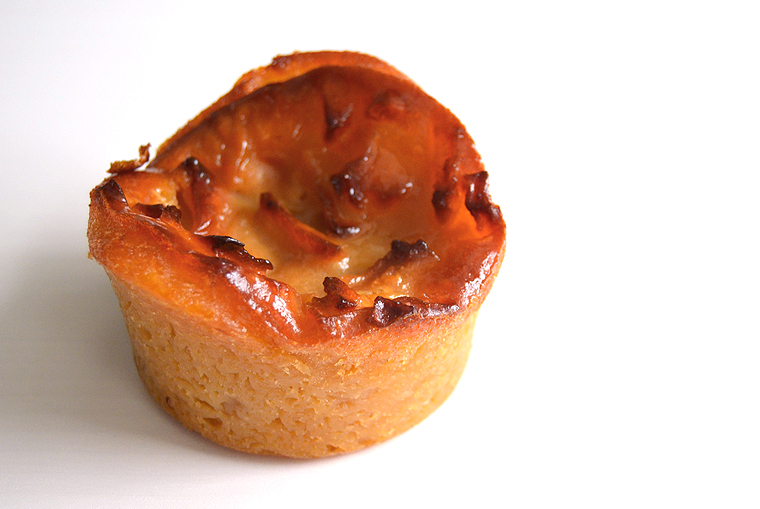
Apple Canelé 

lepainquotidien9_copyrightcookscanvas2012-2014

Belgium Chocolate Scone with Coco Nibs

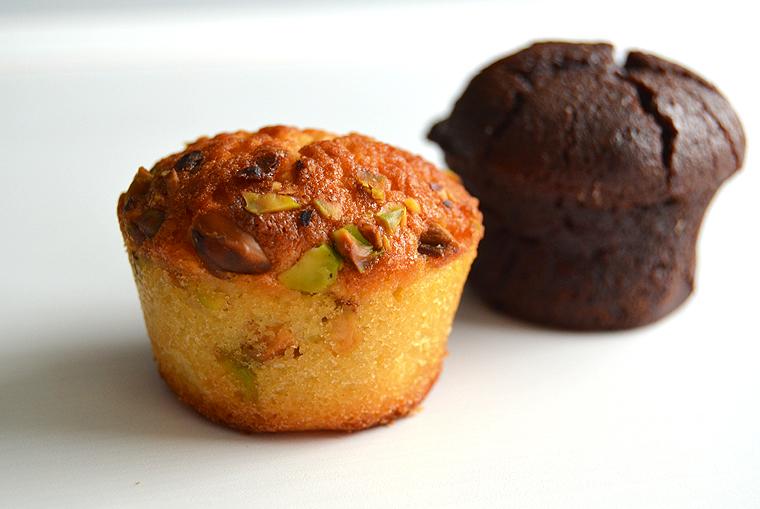
lepainquotidien23_copyrightcookscanvas2012-2014Pistachio and Belgium Chocolate Muffins

It was because of simple, delicious European food like this that I started this website. I was so inspired by the European approach to eating and living, that I wanted to share the experiences with anyone who is interested. Le Pain Quotidien brings an authentic artisinal cafe bakery experience to Chicago, one that you should not miss. The menu includes a variety of soups, tartines, salads, platters, breads & pastries, breakfast dishes and organic beverages, in addition to fine, organic imported wines, including three that Chef Coumont produces himself! This is my new and favorite bakery, one that I can head to and be drifted back to Europe.

www.lepainquotidien.com

West Loop: 135 North Clinton Street, Chicago 60661
Gold Coast: 10 East Delaware Place, Chicago 60611
Lincoln Park: 1000 West Armitage Street, Chicago 60614

Michigan Wine Showcase at City Winery in Chicago

michiganwineshowcase1_-copyrightcookscanvs2012-2014

My husband and I have been big fans of Michigan wines for years. Before moving abroad, we would vacation all along the Lake Michigan shore from north to south, following the wine trail while stopping at farmer’s markets and apple orchards to pick apples and enjoy fresh cider.  If you aren’t familiar with Michigan wines, you’ve probably overlooked them in favor of Californian or European wines, but you are missing out on some fantastic cool climate wines; from crisp whites and fruity rosés to balanced and dry red wines, some have called it the Napa of the Midwest.
michiganwineshowcase3_-copyrightcookscanvs2012-2014

michiganwineshowcase2_-copyrightcookscanvs2012-2014

Michigan has over 15,000 acres of vineyards making it the fourth largest grape-growing state in the nation; while most of this acreage is devoted to juice grapes such as concord and Niagara, over 2,600 acres are devoted to wine production, making Michigan the 5th largest wine grape producer in the nation. Over the last decade, the number of vineyards have doubled, and Michigan’s 101 commercial wineries produce more than 1.3 million gallons of wine annually.
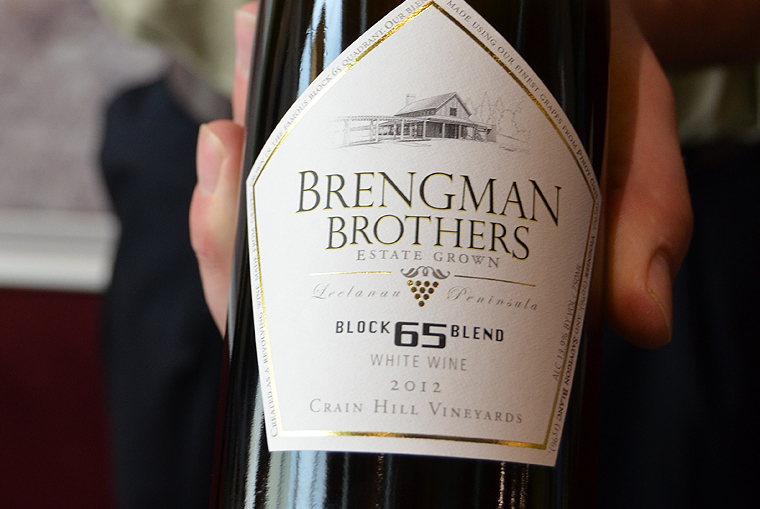
michiganwineshowcase7_-copyrightcookscanvs2012-2014

michiganwineshowcase8_-copyrightcookscanvs2012-2014

michiganwineshowcase10_-copyrightcookscanvs2012-2014

Michigan vintners grow a selection of traditional European varietals such as Riesling, Chardonnay, Pinot Gris, Cabernet Franc, Merlot, Pinot Noir, Gewurztraminer, and Pinot Blanc; and also several French/American Hybrids including Vignoles, Chambourcin, Seyval Blanc, Vidal Blanc, Chancellor, Marechal Foch, Chardonel and Traminette. With such an impressive range, I was eager to sample what they have to offer.

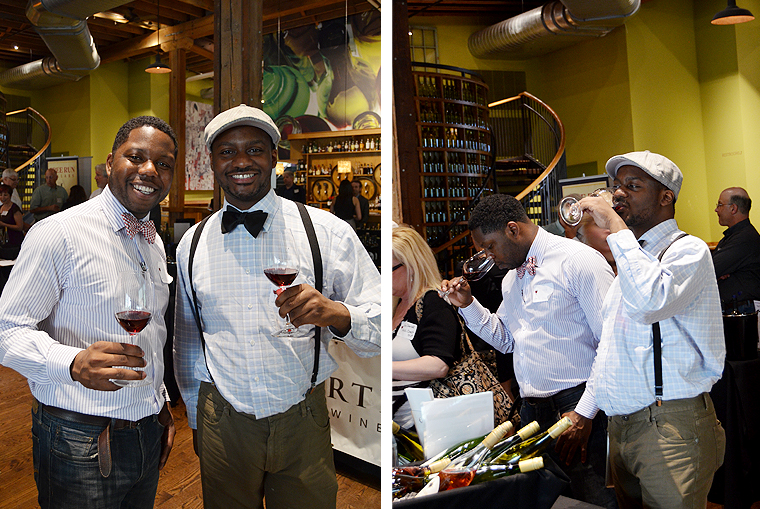
michiganwineshowcase4_-copyrightcookscanvs2012-2014

michiganwineshowcase5_-copyrightcookscanvs2012-2014

michiganwineshowcase6_-copyrightcookscanvs2012-2014

michiganwineshowcase9_-copyrightcookscanvs2012-2014

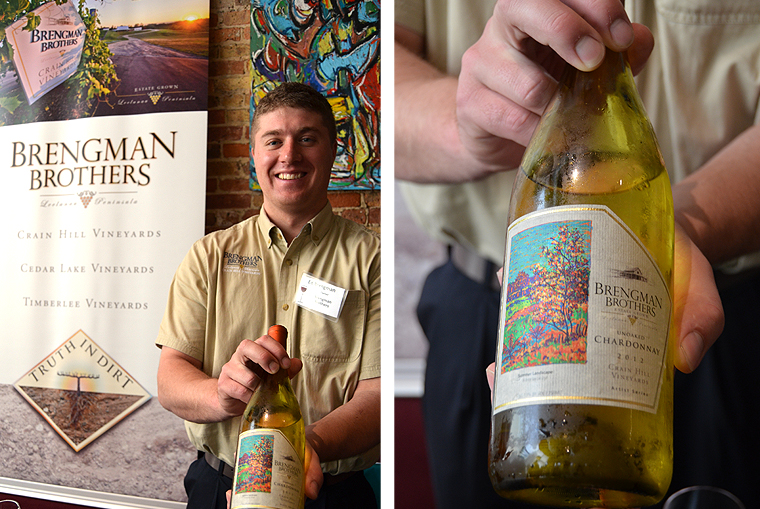
This year was my first time attending the annual Michigan Wine Showcase hosted by The Michigan Grape and Wine Industry Council. I had the pleasure of meeting 25 producers, winemakers, and winery owners while tasting over 100 different wines. It was a real honor meeting the people behind the labels, who pour their talent as well as their hearts into each bottle. The event was limited to media and restaurant buyers early in the afternoon, then to the general public later in the evening. With each winery pouring 4 or more wines for tasting, it was time to get my pen out and start taking notes.

I’ve been invited to tour a few Michigan wineries, to see how the wines are made and of course to photograph their beautiful vineyards, both of which I’ll be writing about. Until then, I invite you to scroll down to read about some of my favorite wines from the showcase.

Verterra Winery | Leland, Michigan | http://www.verterrawinery.com 

With over 33 acres of vineyard on the Leelanau Peninsula, they are one of Northern Michigan’s newest and largest wineries, located in the historic town of Leland on Lake Michigan. The vineyards at Swede Road has one of the highest elevations in Leelanau County and boasts beautiful views of Grand Traverse Bay to the east and Lake Michigan to the west. To the north of Swede Road is the Matheson vineyard. Originally a cherry orchard, this acreage now hosts some of the finest European and California vinifera available. Their vineyard and grapes are 100% Leelanau. Their first two vintages received many high honors in international competitions, with three of their wines taking “Best in Class”. In total they make 16 different wines, including one of the States best red wines: Vintners Select Reserve Red a Bordeaux style blend of merlot, cabernet franc, and cabernet Sauvignon.

michiganwineshowcase1_verterrawinery-copyrightcookscanvs2012-2014

2013 Un-oaked Chardonnay
The purest possible expression of Chardonnay starts with harvesting a touch early to ensure the cleanest fruit possible, which is then de-stemmed, crushed and pressed; then fermented to near dryness in stainless steel vessels. No oak, no malo-lactic fermentation. Just simple purity.

With aromas of citrus, ripe green apple, pineapple and lemon zest. Dry, very fruit forward with green apple and pineapple backed up by their signature acidity. Pairs perfectly with lighter fish dishes but with enough acidity to pair with heavier chicken dishes and even a burger off the grill.
* Won Gold medal in the Pacific Rim International Wine Competition

michiganwineshowcase2_verterrawinery-copyrightcookscanvs2012-2014

2013 Dry Gewurztraminer
There is no varietal that expresses itself more dramatically in the vineyard than Gewurztraminer. At first taste, the grapes burst with sweetness and our signature Northern Michigan acidity, but the floral perfume is undeniable, guaranteed to make you say “Wow!” In the finished wine, they found the perfume is present but restrained, just how we envisioned it. The floral nose of gwertz (the name they like to call it) is unique to this grape. They liked it subtle. In this case the wine displays the floral perfume as a subtle component of the total package rather than dominating it. Dry with a ripe fruit flavor and a balanced acidity to round out the finish.Pairs perfectly with spicy foods and personal favorite with Indian food.
*Won Gold medal in the 2013 Finger Lakes International Wine Competition

michiganwineshowcase3_verterrawinery-copyrightcookscanvs2012-2014

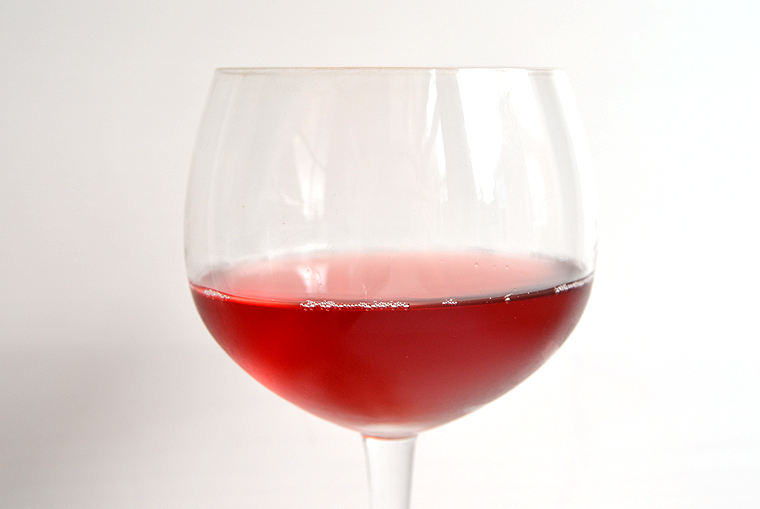
2012 Rosé of Pinot Noir
They couldn’t keep the 2011 in the tasting room last year so they figured time to up our production! With an incredible bounty from the 2012 harvest, they have crafted this 100% Pinot Noir Rose. The beautiful, brilliant ruby color and expressive nose of crushed fresh strawberries will change even non-Rose (pink!) wine drinkers minds. With aromas of very intense crushed strawberry and cherry pie. Dry with 0.5% residual sugar. Lush fruit, crisp acidity and a wonderful, viscous mouth feel. Pairs perfectly with lighter fish dishes, pasta salads or as a pre-dinner drink with appetizers.
* Double Gold San Fancisco Chronicle
* Gold International Eastern Wine Competition
michiganwineshowcase4_verterrawinery-copyrightcookscanvs2012-2014

—-
Burgdorf’s Winery | Haslett, Michigan | http://www.burgdorfwinery.com

Burgdorf’s Winery is in it’s 9th year of operation. This small, family owned winery is located in Haslett, Michigan. Travelocity recognized this winery as one of it’s “Local Secrets – Big Finds”. With 20+ award winning grape & fruit wines produced on-site in their 4,000sqft production facility from locally hand-picked, Michigan grown fruits. All wines are produced and bottled on-site. Their dessert wine “Perfection” has won double-gold from both State and International competitions. Over 100 medals have been awarded to their wines from International Wine Competitions. The 2011 Traminette just won best of show at the 2014 North Central Michigan Wine Competition in Petoskey, Michigan. The wine maker and co-owner Deborah Burgdorf has a MS in Microbiology and worked in the industry for 15 years as a Fermentation Microbiology Specialist at a facility in Lansing, Michigan. Dave Burgdorf has a BS in Agriculture and worked with the USDA as a plant material specialist for over 40 years giving him the experience necessary to produce and select prime fruit for their wine production. The winery has a tasting room and boutique shop giving customers the opportunity to sample their wines year round. Here are a few of my favorites:

michiganwineshowcase1_burgdorfwinery-copyrightcookscanvs2012-2014

2013 Naked Chardonnay
Light, dry, un-oaked white, crisp and refreshing with just the right amount of acidity for smooth finish on the palate. Nice fruit forward nose of peach and apricot. Pairs perfectly with chicken, fish, salads, or any white cream sauce. Great summer drink by itself! Serve chilled!

2011 Dry Riesling
Crisp, light, with a sense of mineralogy to the palate. A nose of floral, melon, grapefruit, honey, and hints of pepper. Slightly acidic yet well balance. Pairs perfectly with whitefish, chicken, and spicy entrées with a Cajan, Indian or a Mid-Eastern flair. Great summertime drink with a salad, mixed fruit, nuts, and blue cheese. Best served chilled!
* Won bronze 2014 Finger Lakes International Competition
* Won silver 2013 Michigan Wine & Spirits Competition
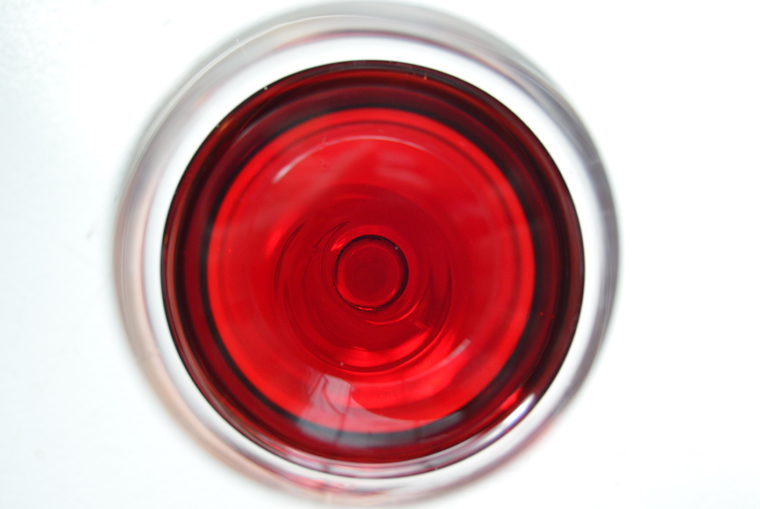
michiganwineshowcase2_burgdorfwinery-copyrightcookscanvs2012-20142010 Pinot Noir Rose (Semi-Dry Rose)
Dominate cherry notes with hints of pomegranate and Blackberry. Limited filtration contributes to the depth and complexity of this wine. A sense of grapefruit on the palate with a nice tart, yet balanced finish. Pairs perfectly with pork, veal, venison, duck, or lamb. Nicely compliments salads served with fruit or various cheeses. Best served at room temperature.
—-

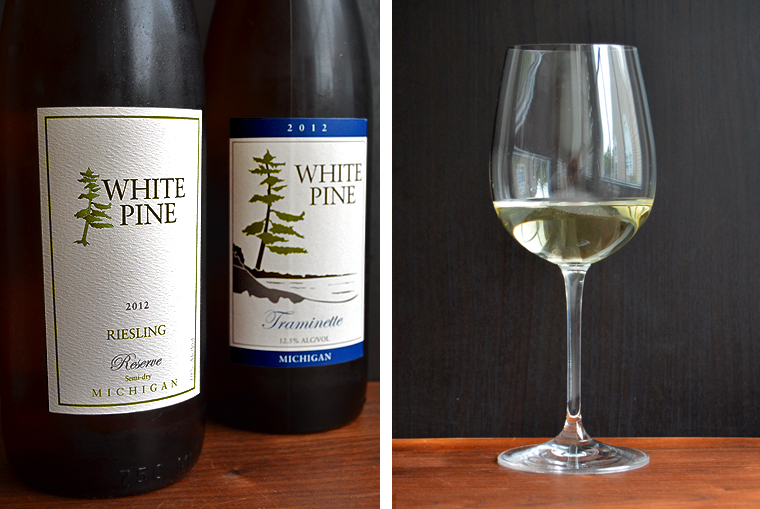
White Pine Winery | St. Joseph, Michigan | http://www.whitepinewinery.com

White Pine Winery is named after Michigan’s state tree which characterizes Michigan’s natural beauty. They produce a range of delicious red and white wines and specialize in aromatic whites such as Riesling and Pinot Gris along with full-bodied reds like Syrah and Merlot.

Owner and winemaker, Dr. David Miller, is a noted winemaker and viticulturist with over 30 years of experience. He received a MS and PhD degrees in Plant Physiology (focusing on grapevines) at MSU and worked there as the Technician running the grape and wine research for 12 years. He then worked at St. Julian progressing from Assistant Winemaker to VP of Winemaking. He was offered a position at St. Julian to help them improve their raw product – grapes, and their wine making process in general. After accomplishing those goals he left St. Julian to start White Pine and began teaching wine making at MSU where he is currently employed part time as an Assistant Professor in the Department of Food Science and Human Nutrition.

Dr. David Miller’s goal with White Pine is to focus on a small number of varieties that do very well in our climate in southwest Michigan and produce the very best wines possible. This differentiates us from many wineries in the state that produce inexpensive, sweet wines. His wines are produced in the vineyard using balanced vines and sound viticulture practices (my background). The winemaking practices use minimal intervention and are used to express the natural flavor and balance produced in the vineyard. White Pine Winery showcase Southwest Michigan’s finest wines and warm hospitality in their lakeshore destination in the charming town of St. Joseph. Here are a couple of my favorites from White Pine Winery:

michiganwineshowcase1_whitepinewinery-copyrightcookscanvs2012-2014

2012 Reserve Riesling
Peaches, mango and honeysuckle define this wine. The aroma’s leap from the glass and are followed by juicy, mouth-watering flavors supported by crisp acidity and a hint of minerals. Great with on its own or with spicy foods, Asian and fusion cuisine. A classic from our own backyard!
michiganwineshowcase2_whitepinewinery-copyrightcookscanvs2012-2014

2012 Traminette
A cross with Gewurztraminer, Traminette shows off with intense aromas of apricot, orange zest, honeysuckle and rose like its well known parent. The flavors pop with a hint of sweetness that leads to a satisfyingly long finish. Perfect for any occasion, Traminette pairs well with salads, mild cheeses and curries. Medium. R.S. 2.5%
—-

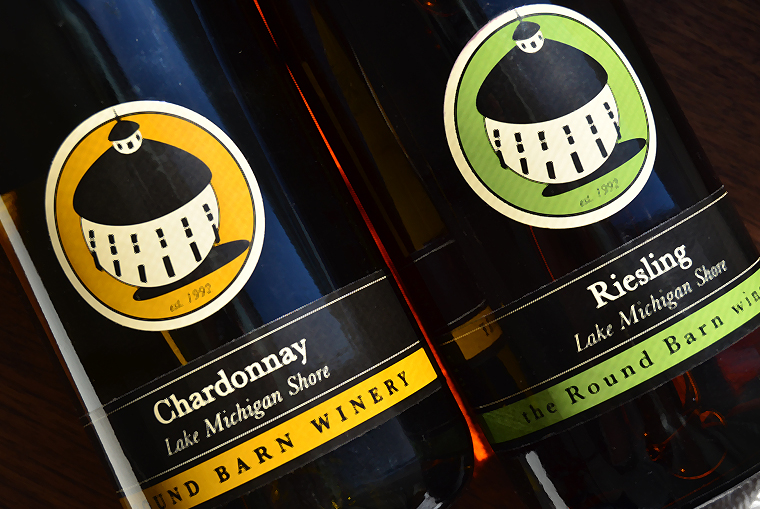
Round Barn Winery | Baroda, Michigan | http://www.roundbarnwinery.com

No amount of schooling can compare with hands-on experience and Matt Moersch has had his two hands in the family business since birth! Having grown up on the vineyard, Matthew began his winemaking career path while picking grapes as a young boy with his brother Christian. They could be found running between the vines, playing hide-and-seek until the sun went down in Southwest Michigan’s vineyards.

Matthew became Round Barn Winery’s winemaker and distiller in 2003, learning from his father Richard Moersch, who founded the winery in 1992 and has worked as a winemaker in the area for over 25 years. After apprenticing with his father, Matthew sharpened his winemaking and distilling skills during extensive travels in France, Germany, Hungary and California. Matthew’s European training spanned the Burgundy, Alsace, and Champagne regions of France, the Rhein region of Germany as well as touring and tasting throughout Hungary’s Tokay Region.

For more than a decade, he has honed in on his own style, modeled primarily after the French traditions of winemaking and brandy production. Launched in July 2006, “Free Run Winery” is a sister winery that specializes in producing single vineyard designate wines where Matthew also serves as winemaker and founding partner with his brother Christian.

michiganwineshowcase1_roundbarnwinery-copyrightcookscanvs2012-2014

2011 Cabernet Sauvignon Lake Michigan Shore
With hints of chocolate, elderberry and black currant dominate up front while violet, plum and hints of orange peel appear as it opens up. Aged twenty months in oak gives it a nice balance of tannins on the palate and will allow this wine to age exceptionally well. Pairs nicely with lamb, steak and sharp cheeses.
* Won Michigan Wine & Spirits, Silver, 2008
michiganwineshowcase2_roundbarnwinery-copyrightcookscanvs2012-2014

2012 Chardonnay Lake Michigan Shore
Picked at the peak of ripeness, they put this Chardonnay through malolactic fermentation giving it a creamy buttery characteristic reminiscent of a classic Burgundy Chardonnay. Rich in texture and balance, it is a medium weight wine showing pear and vanilla in oak on the moderately long finish. Pairs nicely with lobster, crab or chicken. Even better one it’s own! Serve chilled.
* Won Michigan Wine & Spirits, Bronze, 2004
* Won Michigan Wine & Spirits, Gold, 2005
* Won Michigan Wine & Spirits, Silver, 2008

2012 Late Harvest Riesling Lake Michigan Shore
Ripe green apple and pear accentuate the aromas of this Riesling. Tropical flavors of papaya and mango combine with crisp acidity to produce a clean refreshing finish. Pairs perfectly with grilled pork loin, grilled chicken salads or on it’s own. Serve chilled!
*Note: I personally think this wine should win an award. After living abroad in a Riesling village in Germany, this Riesling is up there with some of the finest. My absolute favorite.

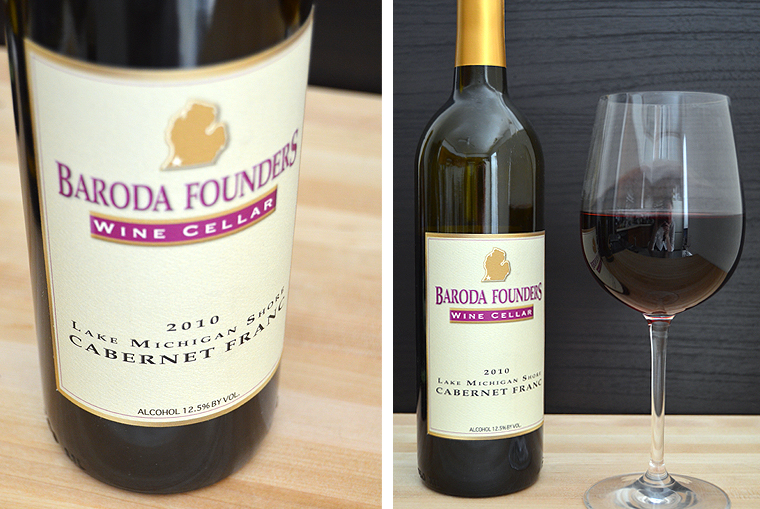
Baroda Founders Winery | Baroda, MI | http://www.founderswinecellar.com

Leonard Olson has a long history in the wine industry. He is familiar with Southwest Michigan’s growing region and growers, and knows the quality product produced here first hand. His experience dates back to the late 1960’s when Olson and a partner planted the first commercial European vines in Michigan. They went on to plant 27 grape varieties, which included Aurora, Vidal Blanc, Baco Noir, Marechal Foch, DeChaunac, Chamborcin, Cascade, Chardonnay, Seyval, Vignoles and Johannesburg Riesling. Len obtained the first new Michigan winery license since prohibition and opened Tabor Hill in 1972. As winemaker at Tabor Hill, the winery won several awards and medals and was served in the White House under Gerald Ford’s presidency. Len left Tabor Hill in 1982 and pursued other opportunities in the beverage industry, including beer-making in northern Indiana and winemaking in Kentucky, where he was recognized as one of the founding members of the Kentucky Grape and Wine Council.

A self-educated winemaker, Len consulted with experienced winemakers throughout the world, including the late Karl Werner and Helmut Becker, two of Germany’s most renowned winemakers. Werner, whose family has been producing wines since 1411, was a graduate of the renowned Geisenheim Oenological and Viticultural Institute. And, Becker was the chief of the Geisenheim Grape Breeding Institute.

Len has returned to southwest Michigan and is honored to be among this continually growing wine community and salutes the local wineries who have paved the way for success during his absence. He is focused on making wine accessible to all palates and levels of knowledge by producing a variety of wines ranging from classic varietals grown from the Lake Michigan Shore AVA region (in other words, southwest Michigan) to chocolate and fruit flavored-enhanced.

Len’s philosophy is “The Baroda Founders Family feels we are fortunate to make a product that our customers enjoy at their most precious moments. To that end, we strive to produce wines that reflect the best of the grapes harvested in each God-given growing season. The pleasure of wine and your satisfaction at our winery or in your home gives meaning to our life. Drink in Health.”
michiganwineshowcase1_barodafounderswinery-copyrightcookscanvs2012-2014

2010 Cabernet Franc
Aged in French oak for 24 months, this full-bodied wine has complex flavors of berries and a smokey oak. Tastes great now but is an excellent choice for several years’ aging.

michiganwineshowcase2_barodafounderswinery-copyrightcookscanvs2012-2014

2010 Chardonnay
This classic wine was made in the “old classic European tradition”. While many Chardonnays are bottled and available for sale in eight months, this wine was aged in French and Minnesota oak barrels for two years and blended with the same Chardonnay batch that had rested in a stainless steel tank and then aged in the bottle for a year. A smooth crisp Chardonnay, this wine has a smokey vanilla bouquet mixed with apples and honey overtones with a crisp, refreshing touch of acid for a clean finish.

Oh Hell Yeah, Red – Mellow Red Wine
A sweet red wine with a supple berry, full mouth feel and a soft finish. Named after a fishing friend (Red) who exclaimed “Oh Hell Yeah!” after drinking this wine.

2010 Luce Del Sol – Lake Michigan Shore
Made in the French Vouvray style. The slightly sweet, fruity taste is complemented by a crisp finish that is clean and refreshing. It is similar to the wine created by the winemaster in his early career that was served by President Gerald Ford at the White House. This wine is the perfect wine to enjoy on a warm spring or summer day. And, for that reason it is named Luce Del Sole which means “sunshine”. Sit back and enjoy the sun.

Michigan wineries are popular tourist destinations, attracting more than 2 million visitors annually. Visit Michigan Wines for information about more than 100 Michigan wineries, a comprehensive calendar of events, including festivals, wine dinners, and to plan your Michigan Wine Tour. Here are 6 wine trails in Michigan to get you started:

Lake Michigan Shore Wine Country

Leelanau Peninsula Wine Trail

Southeast Michigan Pioneer Wine Trail

Sunrise Side Wine & Hops Trail

West Michigan Wine & Beer Trail

Wineries of Old Mission Peninsula

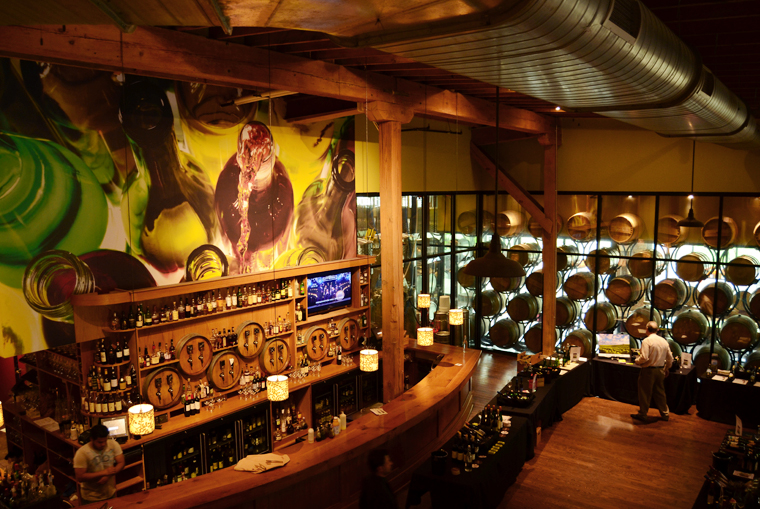
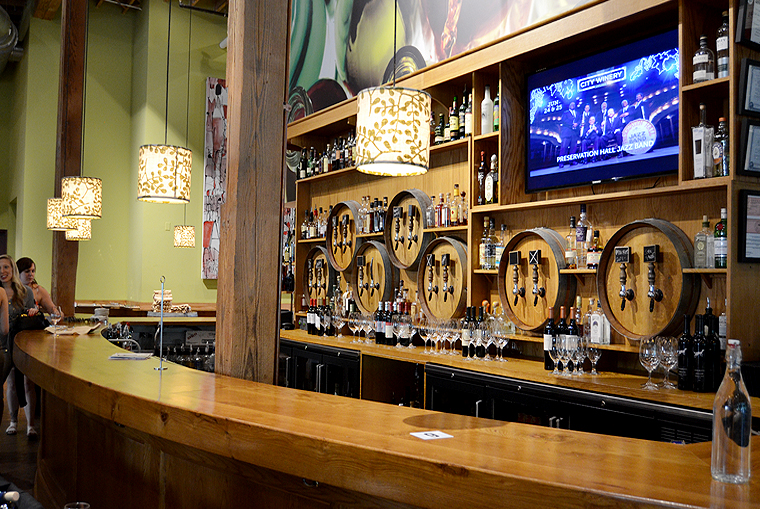
City Winery is the highest-end combined culinary and cultural experience; a winery, restaurant, and music venue located in the West Loop/Fulton Market neighborhood. With a unique facility, combining a fully functioning winery with intimate concerts, food & wine classes, private events and fine dining, bringing the wine country experience to the middle of a large city.

After making his first barrel of wine in California with his brother Josh and wine maker David Tate, formerly of Ridge Winery and now at Barnett Vineyards, Michael caught the bug: “For a long time I’d been enjoying wine as a fan-drinking it, taking classes, attending wine dinners-but it was not until I actually started participating in the process of working with the grape, turning it into wine, putting it into a bottle, and watching it develop over time, that I really started to understand wine. And when I would give my friends a bottle of wine with my name on it, most would respond by saying: ‘I wanna do that too!’ It was this experience that led Michael to conceptualize and start working on the City Winery business plan in 2006.

They produce their own wines sourcing a variety of grapes from all over the world. Chief Winemaker Robert Kowal chose a Midwest crop this season for his wines, “About two tons of Michigan Riesling yielding 300 gallons of juice”. Kowal hopes to source even more regional grapes next season.

Radishes with Butter and Sea Salt (Pick Farm Series)

radishes_seasalt6_-copyright2012-2014

Fresh, vibrant, crunchy radishes with a generous scoop of fresh butter and a sprinkle of crunchy sea salt accompanied by fresh baguette is a simple, classic French summer dish. Stop in at Le Café Français on 3 Place de la Bastille (4th arrondissement) in Paris order this as a light lunch with a chilled glass of Côtes du Rhône Rosé to get you through an afternoon of sightseeing.

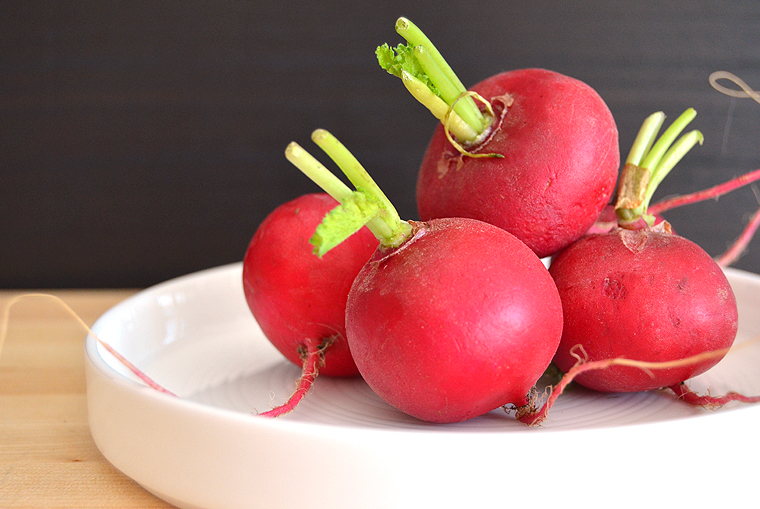
Fresh, simple foods like this are one of the many things we miss about life in Europe, so when I heard that radishes are in season at Pick I could not wait to get my hands on a bunch. Pulling them from the soil was a step I missed out on in Paris, but it definitely adds to the experience. These are not your typical grocery store radishes; these are crisp, spicy, and delicately earthy, and as I rubbed away the dirt under running water the glowing red color really popped. Knowing where your food comes from is something Jason and I are still passionate about, and we miss watching the farmers in the small fields harvesting the seasonal vegetables they would sell in the town market square. Every trip I take to Pick takes me back to those days, and today I’m nearly trembling with anticipation of making this fresh, simple dish we used to enjoy in Paris.

radishes_seasalt3_-copyright2012-2014

radishes_seasalt4_-copyright2012-2014

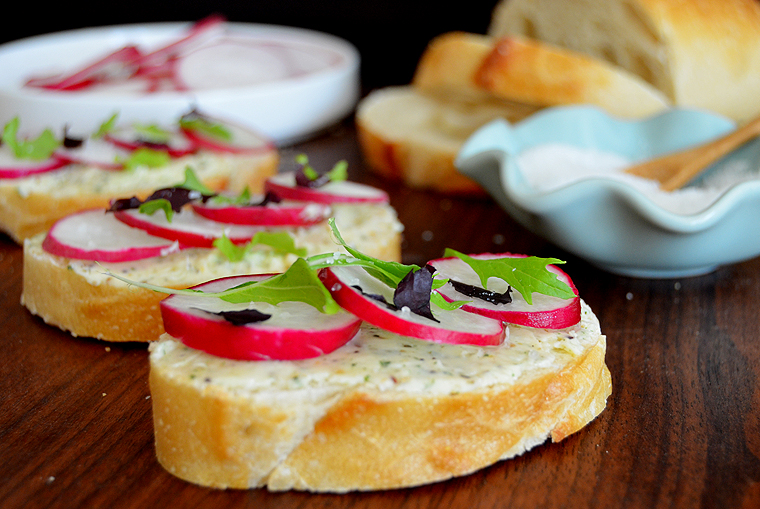
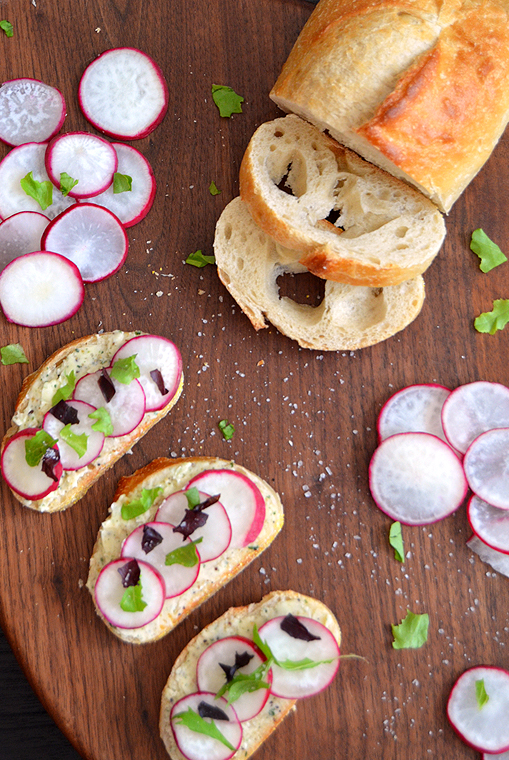
The traditional way this is served is by swirling the whole, trimmed radish with butter and then dipping them in sea salt, while enjoying a crusty baguette. I prefer to enjoy mine as a canapé; radishes thinly sliced atop a buttered slice of baguette. So with a baguette warming in the oven I trimmed and sliced the radishes extra thin and prepared a compounded butter. Compound butter is something I used to make all the time in Germany; it is softened butter layered with flavor by adding fresh herbs and spices and then chilling. You can give it have a little kick of crushed red pepper or a hint of honey sweetness, to suit whatever it is you are going to eat it with. To make the butter workable, it should be just slightly cooler than room temperature. I combined my butter with fresh parsley, French thyme, and a dash of dried Herbs de Provence. Since sea salt will come into the picture a little later, I didn’t add any to the butter.

radishes_seasalt1_-copyright2012-2014

radishes_seasalt2_-copyright2012-2014

Start by spreading a thin layer of butter on the bread, add a few slices of radish and top with a pinch of sea salt, I use fleur de sel de camargue, and fresh herbs. The creaminess of the butter smooths out the spiciness of the radish. This dish can be served as a starter, a light lunch or served as canapés with drinks. Either way, try them, you will love them.

*Did you know sliced radish sandwiched between slices of buttered bread is a traditional children’s snack in France? Slide over PB&J!!

radishes_seasalt5_-copyright2012-2014

The traditional recipe:

Ingredients
1 bunch of radishes
fleu de sel (sea salt)
1/2 stick of fresh butter (unsalted and softened)

Start by trimming your radishes. Cut off the leafy greens and leave just a small section of the green twigs attached to hold them. Trim the root ends. Leave the radishes whole and swirl the whole radish with butter then dip the radish in the sea salt.

——
Here’s how I like to serve it:

Ingredients
1 bunch of radishes
fleu de sel (sea salt)
*1/2 stick of fresh butter (unsalted and softened)
1 tablespoon of fresh parsley and fresh thyme
1 teaspoon of dried herbs de provence
1 baguette, sliced
freshly cracked pepper

Start by trimming your radishes. Cut off the leafy greens and trim the tip and root ends. Slice the radishes very thinly into discs (almost translucent-thin). Warm up a baguette in the oven on 325 degrees F for 15-20 mins. Cool the bread slightly and slice the bread in 12 slices. Spread a thin layer of butter on the bread slices and top with a few thinly sliced radish disc and top with parsley. Top with a pinch of fleur de sel and cracked pepper. Pairs nicely with a French 75.
*If you not up to making compound butter, you can leave it to the experts at Epicurean Butter. They have a great selection and their quality is outstanding. My favorites are the Black Truffle, Tuscan Herb, and Roasted Garlic Herb. 

Pick. at Garden Patch Farms
14158 W. 159th Street, Homer Glen, IL 60491
(708) 301-7720
info@gardenpatchfarms.com

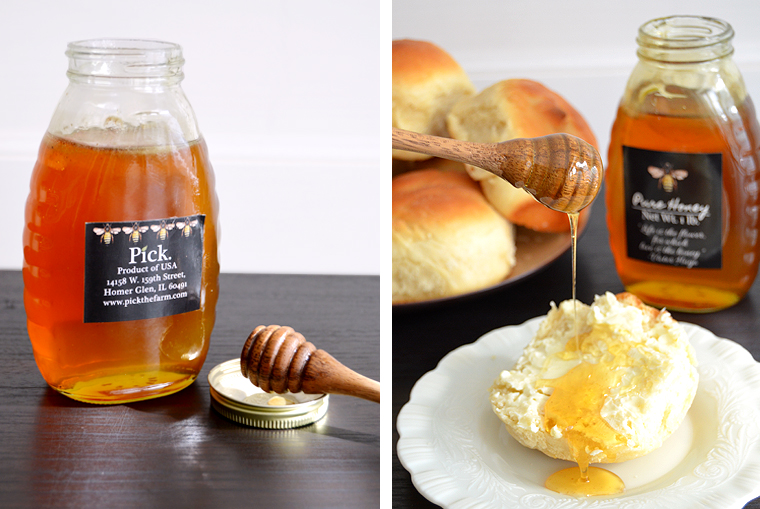
Raw Honey Dinner Rolls (Pick Farm Series)

pick_gardenpatch13_-copyright2012-2014

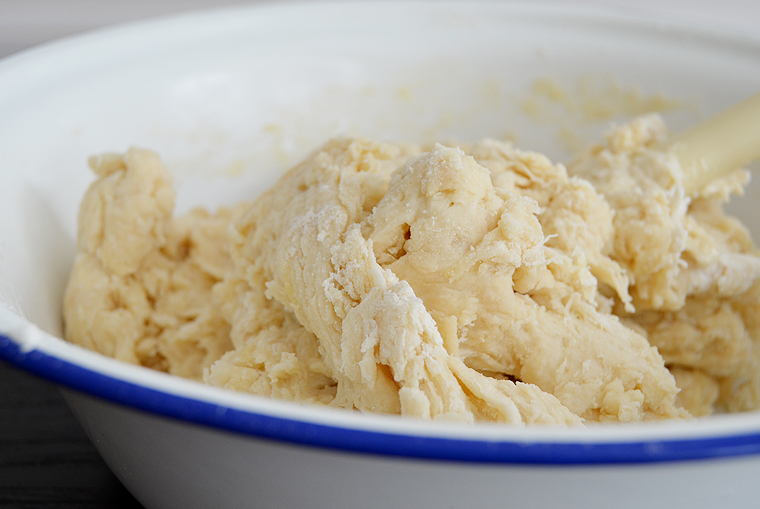
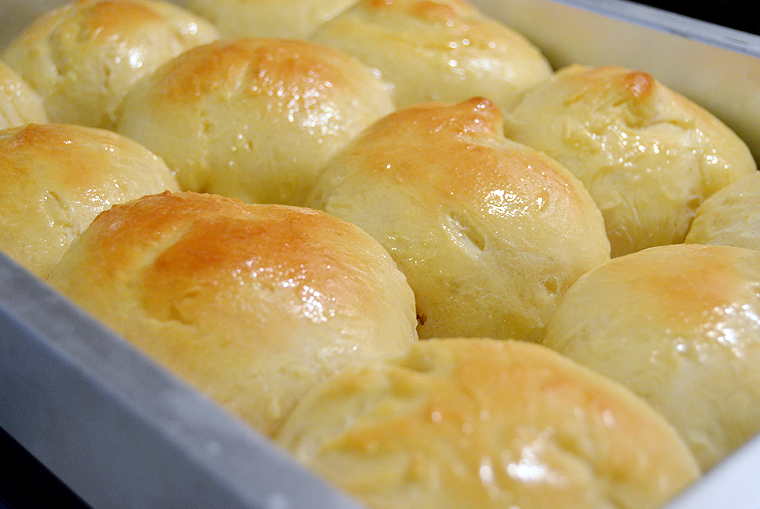
With so many projects on my plate and several more exciting ones coming up, I need to stop and take a moment to catch my breath. I felt like cooking something simple and decided a basket of fresh baked rolls would be nice, plus I would get to play with dough! I should tell you up front this was an experiment; I started without a recipe and thought I might end up with a basket of rock-hard doorstops. However, my effort was rewarded with a batch of tender, delicious rolls!

pick_gardenpatch12_-copyright2012-2014

pick_gardenpatch2_-copyright2012-2014

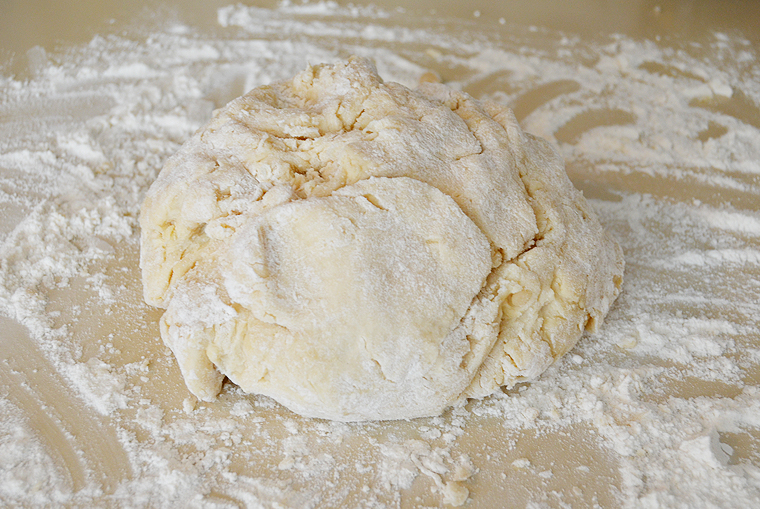
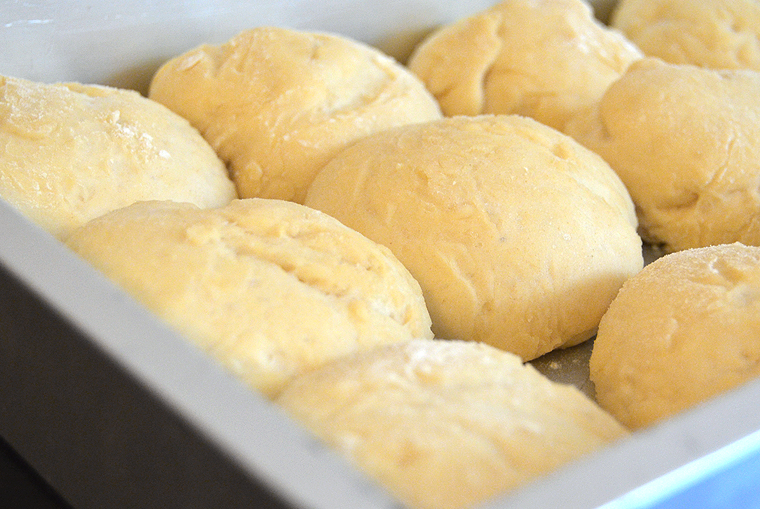
After combining in all of the ingredients I turned the dough out onto a floured work surface and worked the dough until it was elastic, and pinched it into twelve equal pieces, shaping them into balls and then placed them in a lightly buttered baking pan to rise for an hour.

pick_gardenpatch3_-copyright2012-2014

pick_gardenpatch4_-copyright2012-2014

pick_gardenpatch5_-copyright2012-2014

Mine rose perfectly until they were all gently touching each other, then I put them in a 400f oven for 25 minutes. With 10 minutes remaining, I carefully took them out of the oven and brushed them with melted butter, then popped them back in for the last 10 minutes of baking time. There is nothing like the aroma of fresh bread baking in your kitchen, and although its nearly summer, the smell is still just as comforting, and totally worth heating up your kitchen for. I opened all the kitchen windows to avoid heating up the rest of the house.

pick_gardenpatch6_-copyright2012-2014

pick_gardenpatch7_-copyright2012-2014

pick_gardenpatch8_-copyright2012-2014

I could barely wait ten minutes before pulling one apart to check the texture, which thankfully is light, soft, and tender. As for the taste, they turned out just slightly sweet with a yeasty tang and a texture that melts in your mouth.

I enjoy them with a swipe of butter and drizzled with raw wildflower honey, as a summery breakfast treat that goes perfectly with hot tea or coffee. They are also perfect to serve with dinner and make great breakfast sandwiches which my husband loved. They are also easy to freeze, so if you don’t have time to make them during the week, make them on the weekend and pop them in the microwave for 60 seconds.

pick_gardenpatch9_-copyright2012-2014

pick_gardenpatch10_-copyright2012-2014

I prefer to use raw honey, and the best I’ve found locally is collected straight from the honeybees at Pick orchards. In case you are unfamiliar with the difference between raw and pasteurized honey; raw honey is the unprocessed sweet liquid that honeybees produce from the concentrated nectar of flowers and has a lighter, more complex and more floral flavor than honey processed with heat. Pasteurization changes the taste of honey, adding a bitter flavor and flatter taste that some people object to. Collected straight from the extractor; raw honey is totally unheated, unpasteurized, unprocessed, and so it retains all of the antioxidants and health benefits that nature intended!

pick_gardenpatch1_-copyright2012-2014

pick_gardenpatch11_-copyright2012-2014

Always scoop honey from the jar using a dry spoon, and store honey in a cool dry place in a tightly capped jar since honey tends to absorb moisture. No need to store honey in the refrigerator; if it gets cold it will crystallize, which can be reversed by setting the jar in a pan of hot water until it is clear again. So what are you waiting for? Head to Pick at 14158 W. 159th Street, Homer Glen, IL 60491 and grab a jar of their delicious raw honey!

Honey Rolls
Adapted from my pizza dough recipe!
Yields 12 rolls

Ingredients

2 teaspoons active dry yeast
1 cup slightly warm water
1/4 cup honey (you could substitute 1/4 cup sugar)
3 1/2 cups all-purpose flour, plus extra if necessary
1/3 cup of canola oil
1 teaspoons sea salt
1 egg (I used farm fresh eggs from Pick Farm)
1 tablespoon butter, melted

In a large mixing bowl, sprinkle the yeast into the bottom of the bowl and pour warm water over it. Add the honey and gently blend the mixture and allow the yeast to activate for 5 minutes. Add the flour, oil, salt and egg. Stir until blended. The dough will be sticky. Turn out the dough on a lightly floured surface and knead the dough until soft and elastic. You may need to add a little flour to keep the dough from sticking to the surface. Be patient, the dough will become workable the longer you knead it.

Roll the dough into twelve balls and place in a lightly buttered 13 x 9 baking pan. Place a towel over the rolls and allow them to double in size, the time required depends on the temperature of your room. Mine took 1 1/2 hrs to double. Place the rolls into the oven and bake for 25 minutes. In the mean time melt a tablespoon of butter and 15 minutes into the baking process, pull the rolls out and lightly brush with the melted butter. Place the rolls back in for 10 minutes or until they are golden brown. Serve warm or at room temperature.

Recipe notes:
* This dough can be refrigerated for up to a week.
* These rolls reheat very well. 325 degrees F for 12 minutes

Interview with Executive Chef Scott Simon of Chuck’s: A Kerry Simon Kitchen, Chicago

chucks_execchefscottsimon_-copyright2012-2014

During my recent visit to Chuck’s: A Kerry Simon Kitchen, I had a chance to interview Executive Chef Scott Simon about his personal style, the culinary scene in Chicago, and how he got started in the culinary field; here is what he had to say.

Describe your cooking style in 3 words?
Familiar. Approachable. Fun.

Who are your biggest culinary influences?
Chef Chris Vaughn from the Cosmopolitan in Las Vegas and of course my brother Kerry are two big influences in my career. No words can emphasize my gratitude to the both of them.

Is there a particular process you like to follow while creating new recipes?
Kerry has a library in his home full of cookbooks. When we brainstorm new recipes, we head in there, communicate and feed ideas off of one another.

Where did the inspiration for the new spring menu come from?
Sitting in the backyard, seeing vibrant colors, making a strawberry salad with fresh seasonal ingredients at a bbq party, it all intertwines into family.

Both you and Kerry Simon are well-­known Chefs. How did you both get into the culinary field?
Well, I’ll start with him; we have a 15 year gap between us. He’s the oldest and I’m the youngest out of four. He began cooking at Little Caesars in Glenview at the age of 15 alongside comedian Bill Murray. In the late 1970’s, he went on to Dave’s Italian Kitchen in Evanston. To this day, Dave is still in the back of his kitchen making pizzas which is pretty crazy. That’s where Kerry first became interested in cooking. Then his career blossomed while he was working at the Edwardian Room at the Trump Plaza as the youngest, chef they had up to that point. He was there for three years before heading to Miami where he opened up a couple of restaurants.
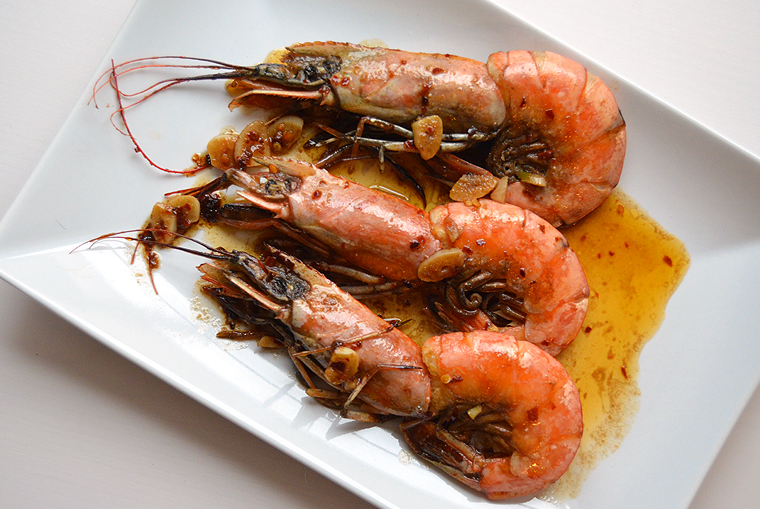
I headed down to Miami in 1992, just out of high school, when I was only 18 years old to work alongside my brother Kerry, who was part owner and Executive Chef of Blue Star restaurant at the Raleigh Hotel. I started at the bottom as dishwasher and worked my way up. I washed dishes for several months, probably a year before I even saw the line. Kerry told me, you’re going to learn the industry so that when you’re older, and you see a guy working as a dishwasher, you’ll know that he’s more than just that, he’s a part of the team. So, as I got older I developed a respect and appreciation of the industry, from the bottom up. From working as a busser to waiting tables to really running the whole thing, that was Kerry’s doing, and it started out in South Beach. It was a great time for an 18 year old kid to be in this beautiful area, with a brother who everyone knew.

It wasn’t until a year after I’d started working at his restaurant that I started to work on the line. My brother was my mentor and taught me everything I needed to know from knife skills and time management to the high pressures of business. I have a respect and overview of the whole business of running a restaurant because I’ve done it all.

What are the top three dishes at Chuck’s that are not be missed?
Well, definitely the Iron Chef Burger from Kerry’s win on Iron Chef versus Cat Cora. A definite signature dish. Then, I’d say, the Scottish Salmon with mint, and summer vegetable quinoa. It’s a light and colorful dish. Lastly, I like to get down on Waffle Fry Nachos while I’m watching the game. Here, if you come in for a game you can sit and enjoy the waffle fry nachos or you can sit in the dining room and enjoy a good steak or a nice piece of salmon. There’s a little something for everyone.
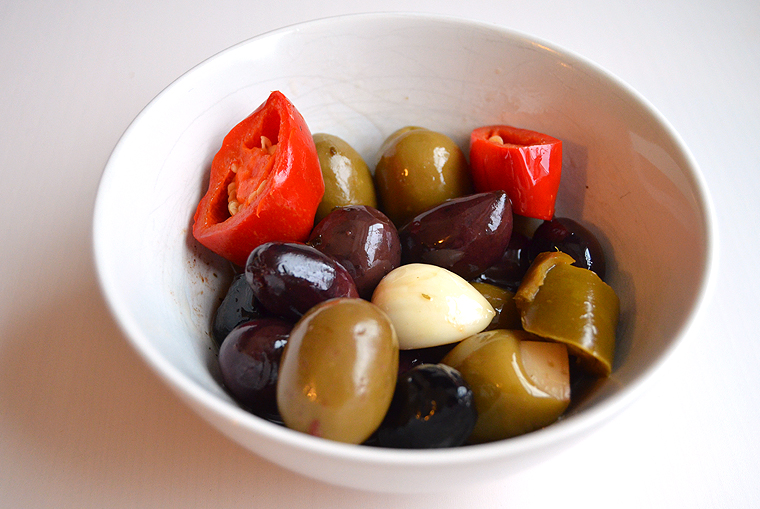

What are you least and favorite ingredients to work with?
I don’t really like rosemary, it’s way overpowering. I can’t really think of a favorite ingredient but I like to work with foods people know and love, elevating them with a fresh, modern approach.

Briefly describe your typical day?
I’m up early with my two year old daughter Sofie first thing in the morning. I head into work around 10am and sit down with our Chef de Cuisine Scott to see what needs to get done. We will have a team briefing before the day starts and from there, I’ll begin to prep for lunch service where I’ll work as the expeditor at the front of the line. After lunch I move to the office, check emails and occasionally catch meetings in between other tasks. Later that day I will move into large prep projects such as butchering steaks and fish before our dinner service. Around 9pm I will try to figure out a way to slip out of work and head home (he says laughing), but every day is different.

After working a week of long hours, what do you like to cook at home?
Well, I do love to cook at home, but I bet my girlfriend wishes I would cook more often! With warmer weather we do a lot of grilling. Even if it’s only for one or two small pieces of protein, I’ll still fire up the grill. I always use charcoal, to maintain the purest in flavors when grilling.

Besides Chuck’s where are your favorite places to eat in Chicago?
That’s a good question. I think that I need to get out more. I grew up here but I’ve been in Vegas for the past 12 years. I need to get out more on the scene. I like Chop Shop (owned by my childhood friend Mario Minelli from Glenview) which is a great place I like to go to unwind and have a drink. They have a great charcuterie selection! I also enjoy Sable a lot. Their bacon relish is amazing! Lastly, Pequod’s pizza is a must.

What trends do you see emerging in the restaurant industry right now?
You have a lot of specific fresh herbs being used in cocktails right now. Bacon continues to plow through, especially here in Chicago; I don’t think you can stop bacon. I don’t see bacon going anywhere anytime soon. Meat prices are so high right now, people are going after lower­cost off­cuts of meats, such as pork sirloin chops and beef shank cross cuts.

Being an Evanston native, what excites you most about the Chicago food scene?
Well, what excites me is that I get to rediscover Chicago. When I left I was only 18 and headed south to Miami before I could discover Chicago for myself. When you’re 18 you really don’t feel the same way about food as you do when you’re in your 40’s. So, at 40 years old, I get to go back out there and see what this city is about, not just in food but in general. They say we’ve just had the worst winter since 79, so I got a “welcome back to Chicago” in winter­style. I’ve been gone for 22 years so it was kinda nice waking up and scraping ice off of my windshield; I found a bit of pleasure in it. It’s great to be back to see people I haven’t seen in a very long time. Finally I got to go back to where I’m from and see the things that I’ve missed.

Do you have a guilty pleasure, a food you like to eat when no one is watching?
Smart white cheddar popcorn; you know, the good one in the black bag.

There are many home cooks out there like myself who are not beginners, but nowhere near professional in ability, so I’m wondering what advice you would give us to take our cooking to the next level?
Experiment, see what works. Don’t be afraid to make mistakes.

Don’t be scared to approach food, you just gotta go out there and experiment and see what works and what’s not working. Don’t be afraid to make mistakes. Go get a recipe out of David Chang’s book, or The French Laundry, or Donna Hay’s books, try something complicated and see where it gets you.

It was a true honor to meet Chef Scott Simon, and I very much enjoyed the interview. I would also like to add that this interview was the first time I’ve been interviewed back with my own questions! I was happy to answer all of my questions, but I am not yet ready to publish my answers…yet!

Chuck’s: A Kerry Simon Kitchen ‘Hard Rock Hotel’ Chicago

chucks_kerrysimonrestaurant_4-copyright2012-2014_

Spring time has finally arrived in Chicago and the streets are busy with hungry locals and tourists in search of something good to eat and all of Chicago’s best restaurants are ready with new spring menus to entice them. I recently had the pleasure of dining at Chuck’s: A Kerry Simon Kitchen to sample their spring menu and experience their brand new outdoor dining area.

chucks_kerrysimonrestaurant_15-copyright2012-2014_

chucks_kerrysimonrestaurant_17-copyright2012-2014_

chucks_kerrysimonrestaurant_16-copyright2012-2014_

As I stepped through the doorway off of Michigan Avenue I was immediately greeted by a lovely hostess who politely guided me past sleek modern furnishings to my table. Chuck’s: A Kerry Simon Kitchen’s sophisticated décor features black lacquer and gold metallic accents while the floor-­to­-ceiling windows in the sleek bar area lend a bright and airy feel to the space. During lunch the sound system is silent, but beginning late in the afternoon and late into the evening the space is filled with classic and garage rock beats; this is afterall the Hard Rock Hotel Chicago. The vibe here is hip and modern, but also mellow and comfortable.

chucks_kerrysimonrestaurant_3-copyright2012-2014_

chucks_kerrysimonrestaurant_5-copyright2012-2014_

If you stop in for a drink after work, be sure to check out the brand new summer patio area directly on Michigan Avenue. Filled with florals and greenery provide a cozy oasis, this is the perfect spot to take in the vibrant downtown ambiance while sampling the new spring menu.

Chuck’s is Iron Chef champion Kerry Simon’s Chicago kitchen, and his answer to the crowds of music lovers who flock to the Hard Rock Hotel looking for a great place to eat. Rolling Stone magazine has even dubbed him the “Rock n Roll Chef”. Both owner Kerry Simon and Chuck’s Executive Chef Scott Simon were born in Evanston, on Chicago’s north side, and grew up with a passion for good food and rock and roll, and this pedigree shines in every detail and every dish served up at Chuck’s.

Recently I had the pleasure of meeting with Executive Chef Scott Simon and dining at Chuck’s to sample their menu and experience their twist on traditional dishes, and their fresh, organic ingredients.

Food

Summer Strawberry Salad
candied pecans, goat cheese, dried cranberries, strawberry vinaigrette

This salad is summer on a plate. The sweetness of the ripened strawberries mixed with the tanginess of the dried cranberries was a wonderful combination with the sweet­ crunchiness of the candied pecans. The strawberry vinaigrette was light and not overpowering. The creaminess of the goat cheese smoothly twirled these flavors together with a acid-­balancing richness.

chucks_kerrysimonrestaurant_6-copyright2012-2014_

Heirloom Tomato Salad
arugula, mozzarella, balsamic glaze, roasted pine nuts

I knew I would love this salad when I saw all the elements on this plate, especially the variety of tomatoes which varied in both sweetness and acidity providing a perfectly balanced dish with the added fun of trying all of those tomatoes! The sweet and vinegary tang of the balsamic glaze mixed with the spiciness of the arugula and the rich sweetness of pine nuts. This wonderfully flavored tomato salad will sure be a hit especially if you enjoy tomatoes as much as I do.

chucks_kerrysimonrestaurant_7-copyright2012-2014_

Scottish Salmon
mint summer vegetable quinoa, jalapeno cilantro cream

The Scottish salmon was buttery and mild, and prepared moist, flaky and well ­seasoned. The salmon was served on a bed of mint summer succulent vegetable quinoa that brought not only a vibrant array of colors to the dish but also a bold, herbal taste. The presentation was topped off with a lovely, cool jalapeño cilantro cream. A light and delicious dish!

chucks_kerrysimonrestaurant_8-copyright2012-2014_

Caprese Burger with Tuscan Fries
heirloom tomatoes, balsamic reduction, mozzarella, pesto aioli

Delicate slices of rich heirloom tomatoes and fresh mozzarella served on top of Chuck’s delicious burger, topped with a powerful balsamic reduction and fresh pesto. I loved the sweetness from the balsamic reduction mixed with the pesto aioli. This all­around perfect blend of summer flavors provide a massive upgrade to your summertime backyard burger.

Tuscan Fries
rosemary, parsley, parmesan

Anyone who knows me will know I’m not a fan of potatoes unless they are served as crispy fries, in which case I will eat them all! Chef Kerry’s Tuscan fries are perfectly crisp, just like the tots. Fresh rosemary, parsley and parmesan coat these delicious fries, and the level of seasoning seems just right. A very nice compliment to the delicious Iron Chef burger.

chucks_kerrysimonrestaurant_14-copyright2012-2014_

Iron Chef Burger with Tater Tots
extra sharp cheddar cheese, red onion jam, fancy sauce

Back in 2005, Chef Kerry Simon, the man known as the “Rock ‘n Roll Chef”, stepped into Kitchen Stadium and bested the legendary (and intensely likable) Iron Chef Cat Cora in an epic burger battle. It was this burger that propelled him past Iron Chef Cora, earning him the title of Iron Chef. The Iron Chef burger is topped with extra­sharp cheddar cheese, onion jam, bacon, and a fancy sauce. When asked how I’d like it cooked, I requested it prepared as the Chef feels it’s best eaten, which is medium ­rare. This is no pre­made sirloin patty but an exquisite slab made up of prime cuts of beef. Prepared from brisket, short rib, and chuck, which are ground to a medium ­coarse texture and was delectably juicy and tender. Wonderfully seasoned and grilled to perfection with a perfectly pink center. The bacon was crispy and did not overpower the flavor of the beef, but provided a salty­smoky flavor as accompaniment to the rich flavor of the burger. The fancy sauce is a sweet mayo­mustard sauce that cut through the richness of the beef. The red onion jam is a brilliant and welcome substitute for the usual raw or grilled onions, and gave a mouth-­watering sweet oniony tartness to the burger. The big, soft, buttery brioche bun was a very nice touch and elevated this beyond any burger I’ve ever tasted.

Tator Tots
salt, togarashi

The side of tots were fried to a golden, crisp perfection, and seasoned with a dash of togarashi seasoning, providing just the right amount of spice. These were fantastic, and then I forgot to ask to take the rest with me, so I’ll be returning shortly for another plate of these!

chucks_kerrysimonrestaurant_10-copyright2012-2014_COPY

chucks_kerrysimonrestaurant_11-copyright2012-2014_COPY

Charred Edamame
ginger salt, lime, togarashi

First, were you wondering what togarashi is? More often referred to as the shichimi togarashi, it’s a Japanese condiment which is normally a blend of seven ingredients, with emphasis on spicy chili peppers! Normally available in mild, medium ­hot, and hot, this seasoning can transform any dish and that’s exactly what it did for the charred edamame. The edamame were perfectly charred which gave them a hint of smokiness, the uniqueness of the ginger salt, the tanginess from the lime, and spice­ blend from shishito peppers. This edamame is a must try with a great spicy twist on these usually boring beans!

chucks_kerrysimonrestaurant_13-copyright2012-2014_

Crispy Creamy Shrimp
sweet chili glaze, apple & celery slaw

This is crispy creamy shrimp, what else needs to be said? First the shrimp are lightly fried, then tossed with a sweet chili sauce, and then tossed with aioli, and served on a bed of crisp, tart apple celery slaw. The sweet chili glaze and the creamy aioli sauce cling to the lightly breaded shrimp creating an amazing flavor combination that I must have been missing out on! I’ll be honest, I ate all of these delicious sweet, creamy, little shrimps, every last one of them. And then nearly licked the plate.

chucks_kerrysimonrestaurant_12-copyright2012-2014_

Dessert

Junk Food Platter
“hostess style” cupcake, caramel popcorn, cookie, brownie, cereal treat, cotton candy

My eyes must have been huge when I saw my server Johnathan bringing this very large plate to my table. All I could see from a distance was a giant ball of pink cotton candy and my face lit up like a kid on Christmas. When it was placed in front of me, I was delighted to find every one of my favorite childhood treats on that plate. Alongside the freshly spun cotton candy was a play on on cracker jacks tucked in a mini Chinese take­out box, cookies, brownies, “rice crispy” style treats made with cocoa and rainbow pebbles, hand­made whoopee pies, and a “hostess­style” cupcake with the white frosting loops across the top. The cupcake was deliciously moist with just the right level of richness, improving on the original everyone knows. The cereal treats were gooey and fresh, made with marshmallows just like Grandma use to make and the brownies were just like the home made ones my mother used to make. It was great experiencing the sweetest treats of my childhood all in a single sitting! This is a great dessert to order whether you have children with you or not, but you should definitely have someone along to share it with! I certainly didn’t eat it all in one sitting (thought the thought crossed my mind!) but I did take it home with me, and nibbled at it for the next couple of days, leaving not a single crumb behind!

chucks_kerrysimonrestaurant_9-copyright2012-2014_

Drinks

The upscale modern, yet casual bar has a nice selection of craft beers and cocktails to enjoy after work, and though I was still technically at work, I had the pleasure of trying two new cocktails from the spring menu.

White Peach Sangria
seasonal fruits, juices, wine and spirits

This wonderful summer concoction features 14 ingredients. Yes, you heard me correctly but don’t be alarmed! Thirteen ingredients are placed into a large container and refrigerated for 24 hours. The next day, they top off the concoction with lemon/lime soda and serve in wine glasses garnished with lemon/lime slices. Tangy, fruity, fresh and delicious, this is a great summer drink.

Blackberry Thyme Margarita
tequila, agave nectar, lime, blackberries, fresh thyme

Who doesn’t enjoy a delicious margarita? How about a margarita with fresh herbs? The sweet yet tart blackberries mixed with the lime, agave nectar, and grand marnier gave this margarita the perfect summertime flavors. The thyme added just a hint of savory to this fruity margarita along with a nice fresh and herbal note to the drink; while the blackberries lent their deep berry flavors and a gorgeous hue.

These are two perfect cocktails you will want to enjoy on the patio while people watching.

chucks_kerrysimonrestaurant_1-copyright2012-2014_

Chef Simon has created a wonderful menu prepared with fresh, organic ingredients embellished with creative and exciting twists while staying true to his love of American classics. You will find Chef Scott Simon visiting tables, talking with guests about the food and the restaurant. I found the ambiance, the staff, the service, and of course the food were all stellar, and exceeded my expectations. Chuck’s hit the mark on every dish, and I’ll be back soon for more.

A special thanks to my waiter Johnathon for your friendly, attentive, impeccable service, and welcoming smile.

French Omelette with Farm Fresh Eggs from Pick (series)

frenchomlete1-copyright2012-2014_

Eggs are one of the most versatile ingredients in your kitchen. They can be served for breakfast, lunch, dinner, and are used in many dessert recipes. My favorite ways to eat them are scrambled eggs with herbs, an omelet, or creamy poached eggs atop a salad. While living in Germany I grew to love farm-fresh eggs. In Europe eggs are not refrigerated until 2 weeks after purchase, and are sold in open crates garnished with the occasional feather. The taste cannot be compared to grocery store refrigerated eggs, which have already lost a lot of their delicate flavor and texture by the time you’ve bought them.To my surprise when I tried the eggs from Pick I immediately recognized the difference in freshness of these eggs. The laying chickens at Picks are friendly Isa Browns, which are are raised without cages and are free to roam inside or outside, and are fed on an all-grain diet that is high in protein which creates wonderfully rich eggs ranging from medium to large in size, with shells in lovely warm shades of brown.

frenchomlete3-copyright2012-2014_

frenchomlete6-copyright2012-2014_

The differences between farm-fresh eggs and grocery store eggs are many, among them, the fresher eggs crack open differently, the shells are thicker and less prone to collapse when opening them one-handed.  The white of the eggs are much clearer, not cloudy like grocery store eggs, and the yolks are a deep orange-yellow, which is a direct indicator of a healthy hen and the high levels of vitamins and omega-3 in the egg. This fact is so widely known among Germans that factory style cage raising, which produces pale yellow yolks, is nearly non-existent.Today I am making French omelettes, which have a rich history in France. Classical recipes include an 18th century favorite called omelette du curé, containing soft carp roe, tuna fish, and Brillat-Savarin, a triple cream French cow’s milk Brie named after a French gourmet and political figure of the time. A more contemporary favorite known as Mère Poulard is named after the owner of the Hotel Poulard in Mont-Saint-Michel in the early 1900’s, owes its fame to the high-quality Norman butter and eggs, as well as special techniques used in its preparation, some chefs insist on beating the whites and the yolks separately to achieve a lighter, foamier omelette.

frenchomlete5-copyright2012-2014_

frenchomlete4-copyright2012-2014_

The French omelette is smoothly and briskly cooked in an extremely hot pan specially made for the purpose. The success of an omelette depends as much on the quality of the pan and the quantity/distribution of the butter as on the cooking [4]. The technique relies on clarified butter (to ensure a high smoke point) in relatively great ratio to the eggs (prevents sticking and cooks the eggs more quickly). Good with just salt and pepper, this omelette is often flavored with tomato and finely chopped herbs [5] (often fines herbs or tarragon, chervil, parsley and chives) or chopped onions. French omelettes are also removed from the pan in a manner different from an American omelette. They can be rolled out in a tri-fold design or just simply slide out of the pan directly into a plate and when made correctly have little to no color to them.

frenchomlete7-copyright2012-2014_

frenchomlete8-copyright2012-2014_

frenchomlete9-copyright2012-2014_

French Omelette with Camembert
makes 1 omelet

Ingredients
3 large eggs
2 tablespoons of whole milk
2 tablespoons of unsalted butter
3 slices of camembert cheese
leaves from fresh flat-leaf parsley
a few springs of chives
a few springs of garlic chives
salt and pepper

Directions
Break the eggs into a bowl. Add the milk, season with salt and pepper, and gently beat the eggs until just blended. Heat an 8-inch omelette pan or skillet over medium-high heat until hot. Add 2 tablespoons of butter and rub it over the bottom and around the sides of the pan as it melts. When the butter stops sizzling, pour in the eggs and gently shake the pan back and fold over the heat and use a fork to stir the eggs around the pan in a circular motion. (Note: I find chopsticks work perfectly for a non-stick pan as they won’t scratch the bottom.) As the omelet begins to set, use the fork or chopsticks to push the cooked egg from the edge of the pan toward the center, allowing the remaining uncooked eggs to come in contact with the pan. Do this step until the omelette looks set on the bottom but is still slightly runny on top. 

Place the three slices of camembert cheese in the center of the omelette along with the herbs reserving some to sprinkle on top after the omelet is finished. Tilt the pan away from the handle, allowing the omelette to slide towards the edge of the pan. Use a spatula to fold the top part of the omelet over the cheese and herbs and then fold again. 
Slide the omelet onto a plate and garnish with the herbs. Omelets are best eaten immediately.

Pick. at Garden Patch Farms
14158 W. 159th Street, Homer Glen, IL 60491
(708) 301-7720
info@gardenpatchfarms.com


References
[1]  Assisstance of the Gastronomic Committee – President Joël Robuchon, Larousse Gastronomique, 2009 (p.721)
[3] “En pareille alliance, l’un appeloit une sienne, mon homelaicte. Elle le nommoit mon oeuf, et estoient alliés comme une homelaicte d’oeufs”.
[4] Assisstance of the Gastronomic Committee – President Joël Robuchon, Larousse Gastronomique, 2009 (pp.721-723)
[5] Julia Child, Bertholle, L., Beck, S., Mastering the Art of French Cooking (Vol. I), page 135, Knopf, 1961