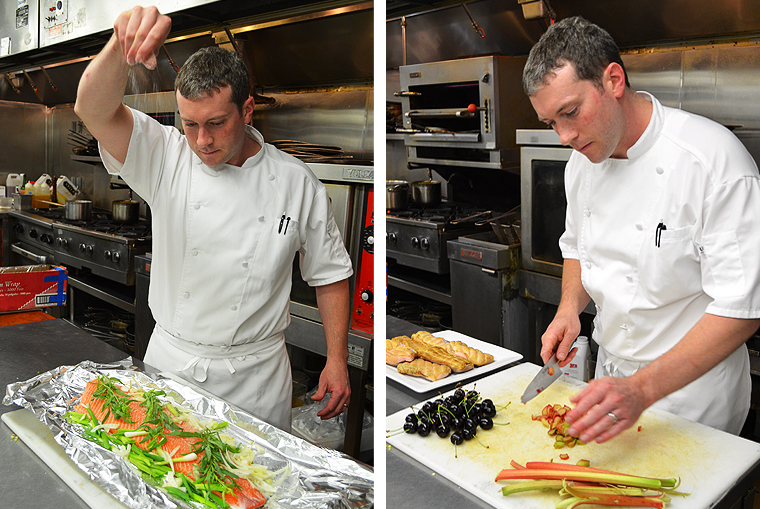
Interview with Executive Chef Jim Morse of the Boathouse Restaurant in Old Mission Peninsula, (Traverse City) Michigan

ExecutiveChefJamesMorse_TheBoathouseRestaurant_Michigan_acookscanvas_copyright 2011-2015_58

The Boathouse’s culinary team is headed by Executive Chef Jim Morse. Chef Jim is a fourth generation Northern Michigan native and attended culinary school at the Great Lakes Culinary Institute at Northwestern Michigan College. He started working at The Boathouse as Sous Chef in 2000, and became Executive Chef in 2002. Jim then moved to Siren Hall in Elk Rapids in 2008 where he spent five years as Sous Chef. He returned to The Boathouse as Executive Chef in the fall of 2013.

Chef Jim teaches part time at the Great Lakes Culinary Institute at Northwestern Michigan College and loves to share his knowledge and experience with up and coming chefs. Most recently he taught World Cuisine which studies foods and cultures throughout Europe, North Africa, Asia, and the New World. He uses his knowledge of these cuisines to create dishes that are unique and well balanced. The ideas used in Asian cooking regarding balance and harmony of flavors are blended with Western techniques to create new and exciting dishes.

Chef Jim’s menus reflect the growing demand for seasonal and locally sourced foods. Many dishes include fruits, vegetables, or herbs grown on The Boathouse Farm. Meats, fish, cheeses, and wild foods are sourced from some of the best farmers, foragers, and artisans in the area. Chef Jim’s goal in creating new dishes is to blend the exotic with the familiar to offer the diner an experience rooted in tradition but exceeding their expectations with new flavors and combinations.

Recently I had the chance to sit with Executive Chef Jim Morse of Boathouse restaurant and ask him a few questions about his background and culinary philosophy; here is what he had to say.

Describe your culinary philosophy and approach to cooking in three words.
Simple, fresh, seasonal

How did you get started cooking, and when did you decide to make a career out of it?
I started working as a dishwasher at a golf course when I was 15. Moved to Crystal Downs Country Club as a valet at 16. Pulled into the kitchen to cover one of the cooks. Decided to go to culinary school my senior year of high school while working at CDCC. I really looked up to the chefs there and wanted to be like them.

Who are your main culinary influences?
Two chefs I’ve worked for after culinary school and who both taught me a lot are Michael Bauer and Michael Peterson. The chef’s I look up to most are Thomas Keller, Charlie Trotter, Grant Achatz, Mario Batali and Alice Waters.

Is there a process you follow while creating new recipes and dishes?
The first step is to identify the season. This will determine both the products available and at peak quality as well as the diner’s expectations of style. ie. rich, comfort food in colder months vs lighter, seafood focused foods in warmer weather. Then I choose the focal point of the dish; protein, cheese or a specific produce item that is at it’s peak. Then I choose the supporting characters taking into consideration balance of flavors, colors, textures, acidity, seasonings. From there it takes shape in my head and then I work out recipes that bring it to the plate, tweaking my methods and seasonings as I go.

The Boathouse is a contemporary French farm-to-table restaurant, and much of your produce comes from owner’s Doug and Erin Kosch’s local 10acre farm. Working with what you have available, what ingredients/techniques do you consider essential to retaining the “Frenchness” of your menu?
I believe in allowing beautiful ingredients to speak for themselves. A good example of this is in a dish like Ratatouille. This to me is the essence of simplicity and how choosing ingredients fresh from the ground and allowing them to speak for themselves creates a dish that is much more than the sum of it’s parts. This to me is what French cooking, and truly any great cuisine, is all about. We do an event literally called “Farm to Table” where guests meet at the restaurant for a cocktail, head to the farm for a tour along with champagne and a salad of whatever I have just picked, then return to the restaurant for a plated dinner. At the farm I cut fresh tomatoes, cucumber and onion that are still warm from the field, toss it with torn basil leaves, olive oil, sea salt and cracked pepper. I might also pick other herbs or flowers that are growing on the farm and mix these in. The flavors of this type of “cooking” are impossible to improve on with any level of technique or training and the guests enjoyment is incredible.

Being located in one of the top wine areas of Michigan, what are your favorite pairings with the locally produced reds, whites and sparkling?
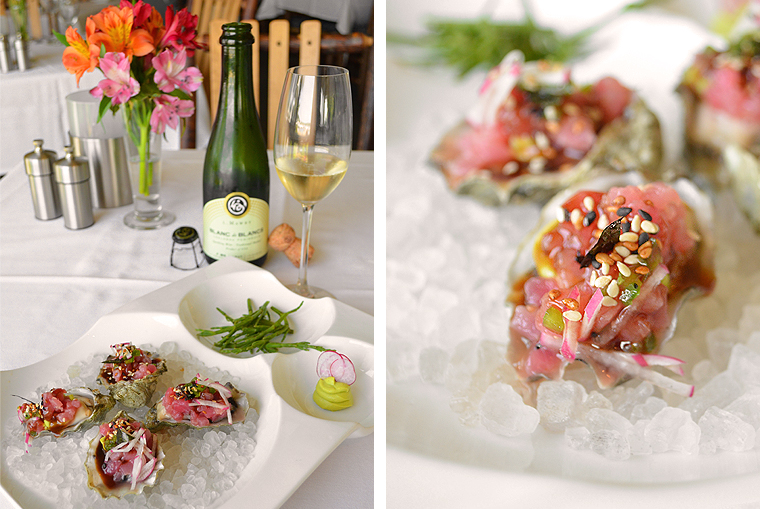
Our region shares climate characteristics with some of the great wine regions in France and Germany. Our growing season is fairly short so we focus on the grapes that do well with that. Riesling and Gewurztraminer both do very well in the Grand Traverse region. I think both of those wines are great food wines. I like to serve dry Rieslings with spicy, Asian influenced dishes. One of my favorites is a Thai style green coconut curry seafood soup paired with a dry Riesling. Most of the wineries in this area produce a great dry Riesling. L. Mawby makes world class sparkling wine on the Leelanau Peninsula. Any one of their wines is a great beginning to a meal. Their Blanc de Blanc with our oyster-tuna tartare dish would be a great match. Villa Mari (name soon changing) grows red wine grapes under hoop houses to extend the limited growing season and produces some of the best red wines in the area. They generally blend their grapes to produce wines will the specific characteristics they are looking for. I think their wines pair very well with lamb and lighter game dishes such as elk, venison and duck. The area also produces some very nice ice wine and dessert wines. The Black Star Farms Maple Sirius and Pear brandies as well as their Sirius White (Port style brandy fortified Chardonnay) are great options for sweeter after dinner wines.

I’ve read that your most favorite ingredient to work with is eggs. What is your favorite way in using eggs as an ingredient?
I love the egg’s versatility for use in sauces such as mayonnaise, aioli and hollandaise. It’s emulsifying properties are still kind of magical to me. I think my favorite way to use eggs are to poach them, leaving the yolk runny and allow the guest to break the egg open on the plate, creating a sauce with other components on the dish.

Do you have another ingredient you enjoy working with?
Mushrooms

What is your least favorite ingredients to work with?
Any ingredient that is not fresh

What are a few of your favorite cookbooks? 
The French Laundry-Thomas Keller
On Food & Cooking – Harold McGee
Charcuterie – Brian Polcyn
Culinary Artistry – Andrew Dornenberg & Karen Page
How America Eats – Clementine Paddleford
Charlie Trotters series
Writings by M.F.K. Fisher

What cities/countries would you like to go to for your culinary travel?
France, Spain, Japan & India

The critics have their favorites, but I like to eat where the Chefs eat. Besides The Boathouse what restaurants do you like to eat at here in Michigan and/or elsewhere?
In Traverse City my favorite restaurants are The Cooks House & Stella. For lunch or off the beaten path my favorites are Frenchie’s, Harvest and Osorio. Whenever I travel I seek out the ethnic foods. I teach World Cuisine at GLCI and am always looking for new flavors that can’t be found in classical European restaurants.

What do you like to cook for friends and family?
My wife is vegetarian so I cook a lot of fresh vegetables at home. That’s what I prefer to eat. I get plenty of rich foods and meats working in a restaurant so I like to focus on foods that make me feel good to cook and to eat. Whatever I pick from my garden is best.

Do you have a guilty pleasure; something you eat when nobody is looking?
Peanut butter straight from the jar, sometimes sprinkled with chocolate chips.

Not only receiving your culinary degree from Great Lakes Culinary Institute at Northwestern Michigan College but you’re also an instructor. What advice do you give to young chefs just getting started?
Try everything at least once. Also, just because you didn’t like something the first time you had it doesn’t mean you will never like it. Maybe it just wasn’t cooked properly. I can’t name a food that I don’t like other than one that was not fresh or not cooked properly. Learn to know the difference and you will never be disappointed in your cooking.

There are many aspiring cooks out there like myself who are not beginners but haven’t yet reached the professional level; what advice would you give us to take our cooking to the next level?
Experiment with global cuisines and learn how to blend exotic ingredients with everyday cooking to keep your ideas and flavors fresh. Never cook the same thing twice. Always tweak something just a little bit. Thomas Keller says there is no such thing as perfection, only the pursuit of perfection. If we ever were to reach perfection, then what…
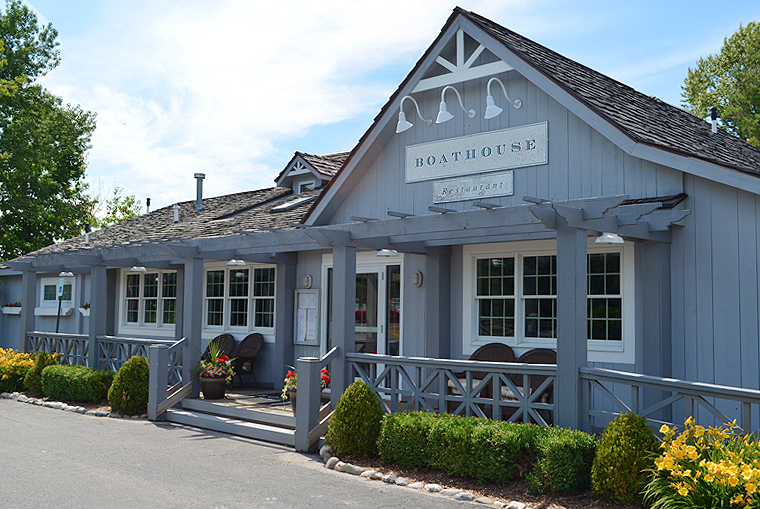
Boathouse Restaurant in Old Mission Peninsula, Michigan

TheBoathouseRestaurant_Michigan8_acookscanvas_copyright 2011-2015_57

The Traverse City area of northern Michigan is the Nantucket of the Midwest; just a few hours drive north of Chicago, it offers both coastal charm and warm Midwestern hospitality. Farms, vineyards, and artisanal food producers dot the landscape, creating a culture of locally produced cuisine most exquisitely demonstrated by the menu at the Boathouse restaurant; one of northern Michigan’s top fine dining restaurants.

TheBoathouseRestaurant_Michigan11_acookscanvas_copyright 2011-2015_57

TheBoathouseRestaurant_Michigan9_acookscanvas_copyright 2011-2015_57

TheBoathouseRestaurant_Michigan10_acookscanvas_copyright 2011-2015_57

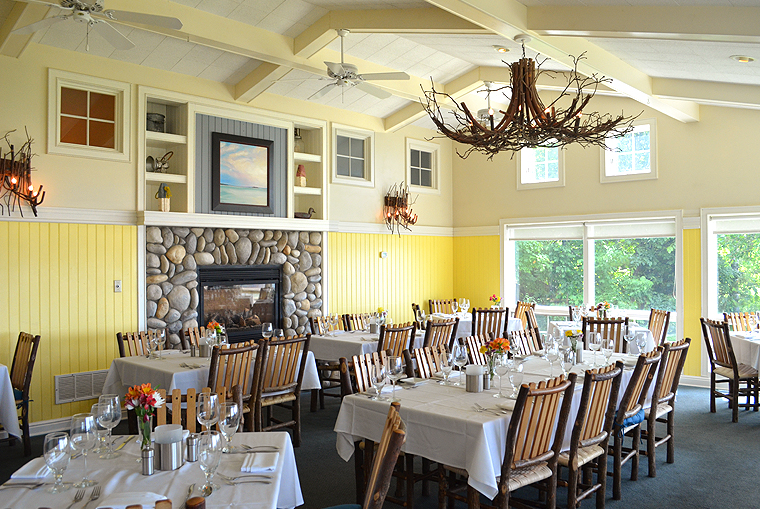
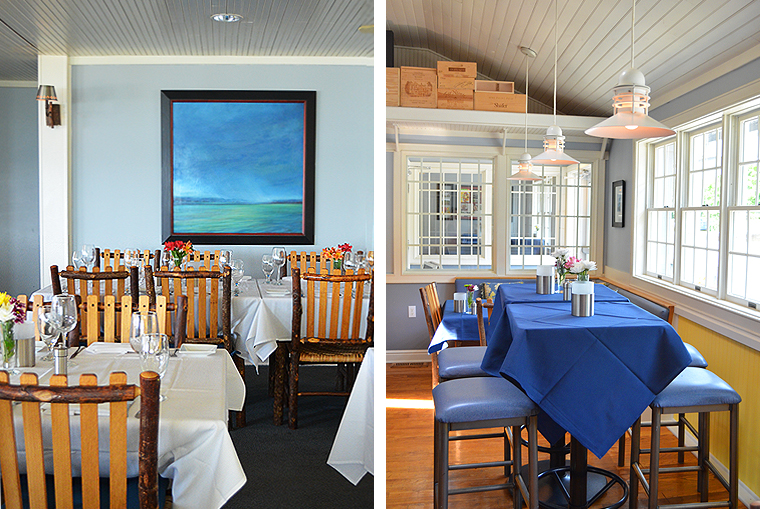
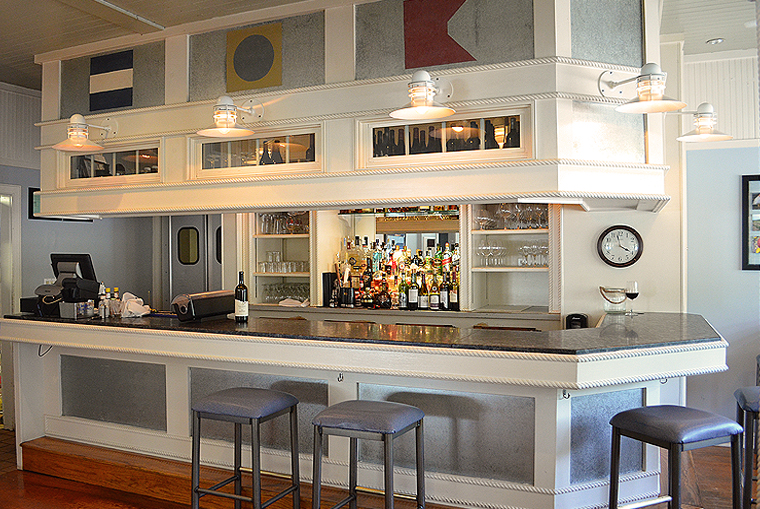
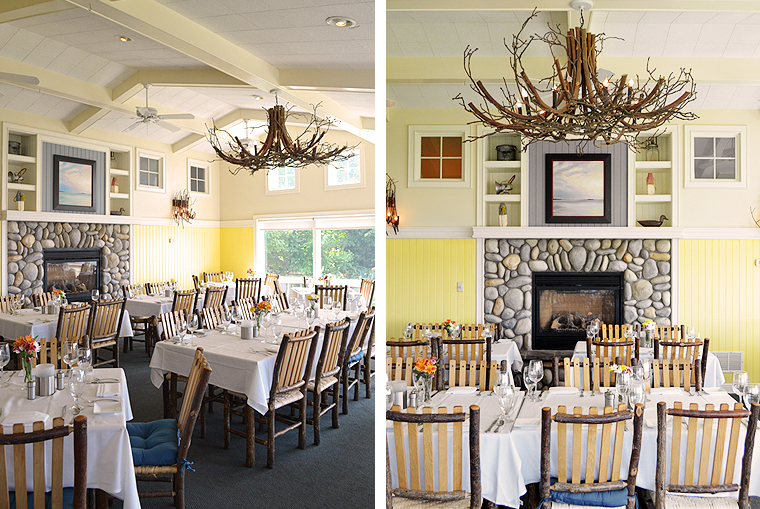
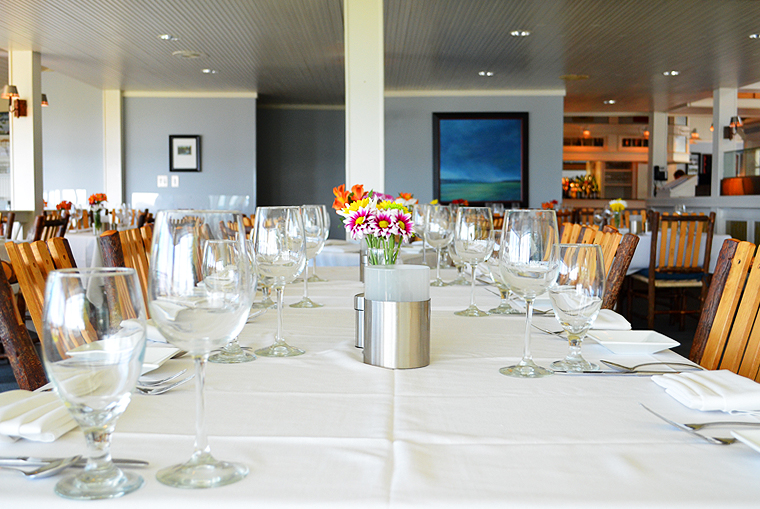
Situated on the shores of Bowers Harbor, the Boathouse restaurant sits at the bend of a curvy, tree-lined road on picturesque Old Mission Peninsula. The day I visited we were blessed with perfect weather, the sunlight sparkling on the bay as sailboats bob gently in the harbor. The charming nautical style of the restaurant’s decor create a seaside atmosphere, with wide windows offering sweeping views of the bay for the entire dining room and an elegant outdoor seating area for dining al fresco. As I took in the view while sipping a glass of local sparkling wine, the tensions I had brought with me from the city quickly evaporated, leaving me relaxed and hungry.

TheBoathouseRestaurant_Michigan1_acookscanvas_copyright 2011-2015_57

TheBoathouseRestaurant_Michigan5_acookscanvas_copyright 2011-2015_57

TheBoathouseRestaurant_Michigan7_acookscanvas_copyright 2011-2015_57

We were warmly greeted by Michael Richmond, the manager and sommelier of the Boathouse, who made us feel at home and offered some excellent local wine pairings. Executive Chef Jim Morse walked us through the menu, explaining his philosophy and approach to cooking and the virtues of using local ingredients. He is a fourth-generation northern Michigan native and a graduate of the Great Lakes Culinary Institute at Northwestern Michigan college. When he isn’t leading the culinary team at the Boathouse, he is also an instructor at the Culinary Institute, where he teaches about the cuisines and cultures of Europe, North Africa, Asia, and the New World.

TheBoathouseRestaurant_Michigan6_acookscanvas_copyright 2011-2015_57

TheBoathouseRestaurant_Michigan3_acookscanvas_copyright 2011-2015_57

TheBoathouseRestaurant_Michigan4_acookscanvas_copyright 2011-2015_57

The menu that Chef Morse has assembled is refined and contemporary, with elements of the classical French traditions of Escoffier. Many of the fruits, vegetables, and herbs are grown on the Boathouse’s very own farm, while much of the meat, cheeses, fish, and wild foods are sourced locally from some of the best farmers, foragers, and artisans in Michigan.

1st Course

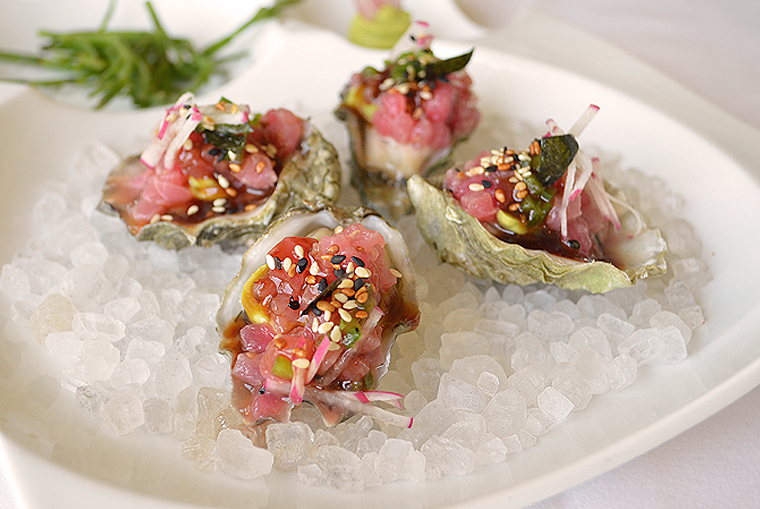
Deep Bay Oysters on the Half Shell, ahi tartare, wasabi avocado mousse,  yuzu hoisin glaze, toasted sesame, jalapeno, sea beans paired with a Blanc de Blanc Sparkling Wine by Michigan’s own Larry Mawby (L.Mawby)

A beautiful presentation, the oysters lie in a bed of sea salt, flanked by sea beans and a dollop of creamy avocado wasabi mousse. The deep, buttery sweet flavor of the plump oyster is tempered in it’s own natural briny juices. The ahi tartare offered a contrasting texture and lightness, carrying the acidity of the hoisin glaze. All combined in a single bite with a dab of the sharp but creamy avocado-wasabi mousse and subtle heat of jalapeno, this is an exquisite way to enjoy oysters. The sea beans were a nice way to refresh the palate after the rich oyster, offering a surprising punch of flavor with a crunch that is hard to resist, especially when dipped in wasabi-avocado mousse.

TheBoathouseRestaurant_Michigan14_acookscanvas_copyright 2011-2015_57

TheBoathouseRestaurant_Michigan13_acookscanvas_copyright 2011-2015_57

TheBoathouseRestaurant_Michigan12_acookscanvas_copyright 2011-2015_57

TheBoathouseRestaurant_Michigan15_acookscanvas_copyright 2011-2015_57

2nd Course

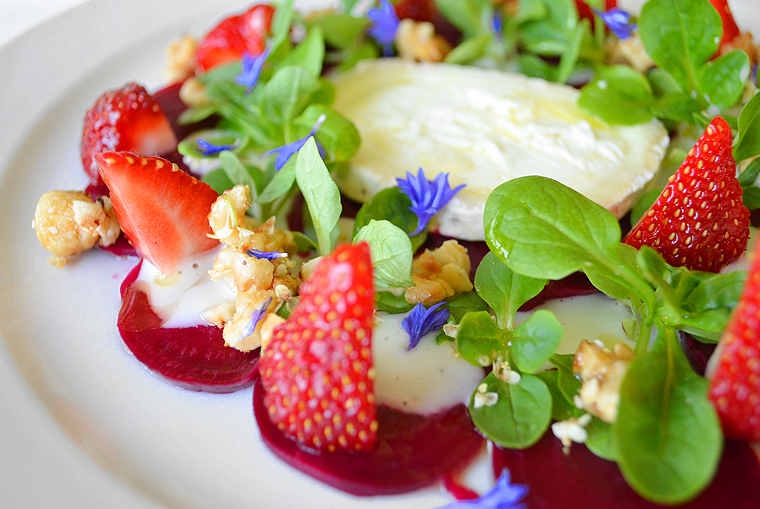
Roasted Beet Carpaccio, “Lincoln Log” aged chèvre, strawberries, mâche, honey roasted hazelnuts, truffle vinaigrette, hazelnut oil, and elderflowers  

The sweet tender roast beets paired surprisingly well with the ripe strawberries which lend their acidity to the earthy beets, followed by the sweetness honey roasted hazelnuts. A salad of baby mâche sits atop a tangy slice of aged local chèvre drizzled in truffle oil; this wonderful dish is perfect as a salad before your main entree, as a light lunch, or even as a delightful cheese course after a meal.

Michigan Farms, Foragers & Distributors, Beets – Loma Farm, Traverse City, Chèvre – Zingerman’s Creamery, Ann ArborStrawberries – Bardenhagen Farm, Lake Leelanau,  Hazelnut Oil – Pressmeister Oils, Traverse City, Elderflowers – Clay Bowers, certified forager, Traverse City

TheBoathouseRestaurant_Michigan16_acookscanvas_copyright 2011-2015_57

3rd Course

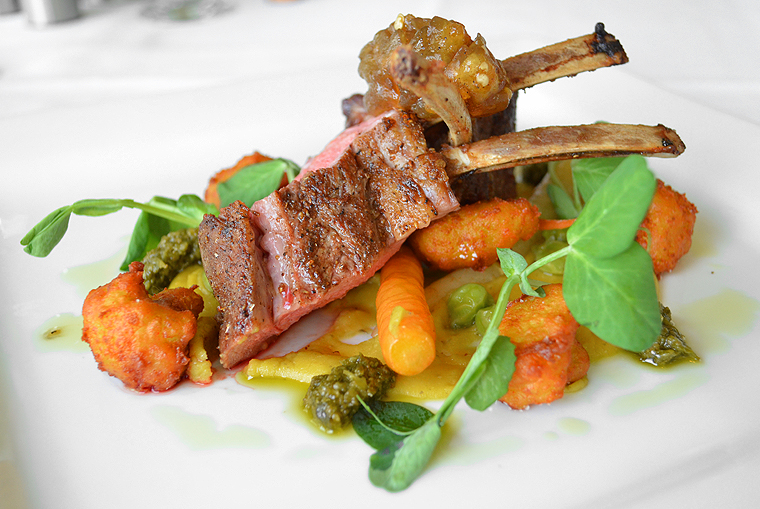
Sweet Grass Farms Lamb Rack, garam masala, golden lentil dal, fresh chickpeas, baby carrots, eggplant jam, coriander chutney, pea shoots paired with Michigan’s own Villa Mari Vineyards 2008 Solo Nove

When this plate arrived I was beyond intrigued. Heavenly scents of garam masala and roast lamb made my mouth water as I steadied my camera to capture this beautiful dish. With so many elements I was anticipating a punch of flavors that would be hard to detangle, on the contrary I was very impressed by the subtlety and restraint that Chef Morse exercised in his use of each element. Tender, juicy local lamb fragranced with garam masala atop a rich yet delicately flavored lentil dal. The eggplant jam and coriander chutney were excellent alternative to the old standby mint jelly. Deep golden pillows of chickpea tempera held tender florets of flavorful marinated cauliflower. With a deep savory flavor, these would make excellent hors d’oeuvres with a dab of the golden lentil dal. The fresh chickpeas were a first for me; with a flavor I hadn’t expected and a delightful texture, these little green gems swirled deliciously in a sea of rich lentil dal. I looked carefully under the lamb and between the tender baby carrots to make sure I didn’t miss any. Far from the heavily spiced Indian cuisine I’ve had in the city, the level of seasoning here is just right and each element shines brightly, every distinctive in flavor stands out offering variation in each bite. The wine paired with this dish, a 2008 Solo Nove from Villa Mari vineyards offered lush, deep red fruit and a pleasing acidity which offset the subtle richness of the dish. A spectacular wine with serious depth, I’ll be looking for a few bottles of this vintage for my own collection.

Michigan Farms, Foragers & Distributors, Lamb – Sweet Grass Farms, Pickford (Cherry Capital Foods, Traverse City – distributor)Fresh Chickpeas – Earthy Delights, Okemos (Distributor)Baby Carrots – Loma Farm, Traverse City

TheBoathouseRestaurant_Michigan17_acookscanvas_copyright 2011-2015_57

TheBoathouseRestaurant_Michigan18_acookscanvas_copyright 2011-2015_57

4th Course

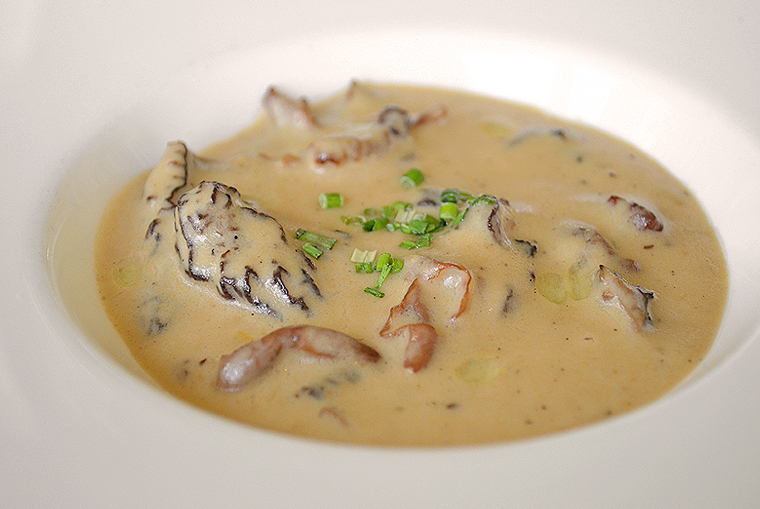
Morel Chanterelle Bisque, Chateau d’Orignac, cream, chive, truffle oil
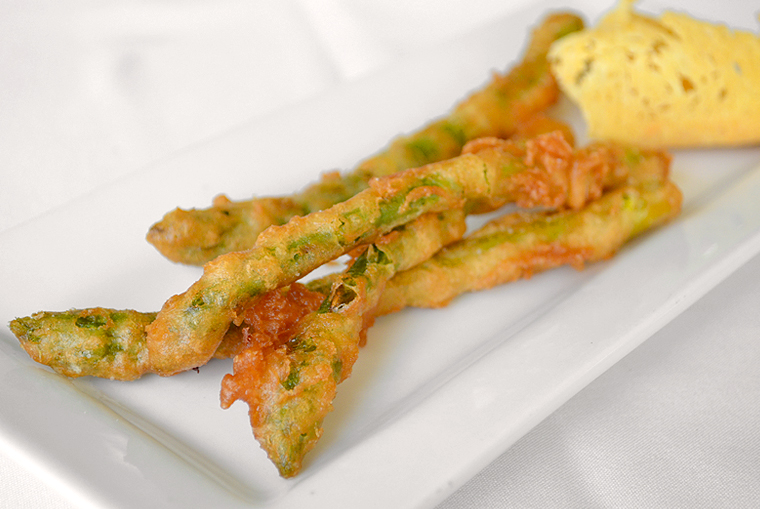
T
empura Asparagus, smoked tomato coulis, parmesan frico

The morel and chanterelle bisque is a favorite among locals, in the early summer it is prepared with fresh, locally-foraged mushrooms. Earthy morels, meaty chanterelles, and intense Chateau d’Orignac cognac meet in a velvety cream with chives and truffle oil. I can immediately appreciate why this dish is so popular with the locals, especially in the depths of a northern Michigan winter.

The tempura asparagus was light and allowed the crisp texture of the fresh asparagus shine through. Dipped in the smoked tomato coulis which comes in a delicate parmesan tuile, this is a really tasty treat..

TheBoathouseRestaurant_Michigan19_acookscanvas_copyright 2011-2015_57

TheBoathouseRestaurant_Michigan20_acookscanvas_copyright 2011-2015_57

5th Course

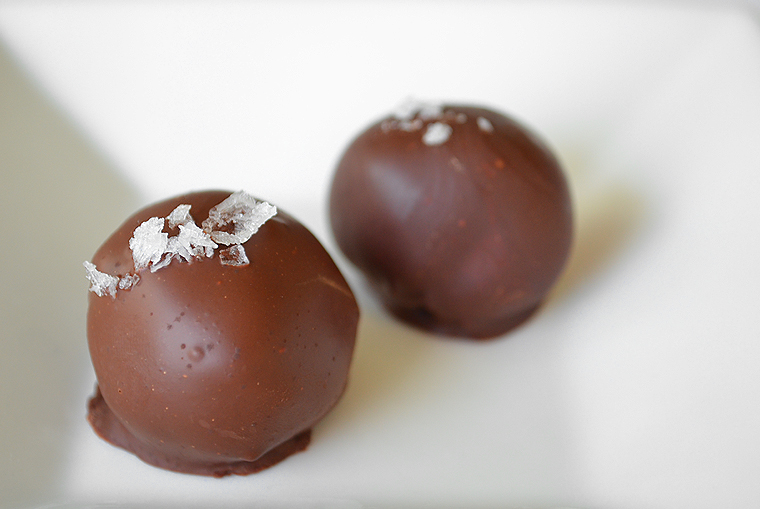
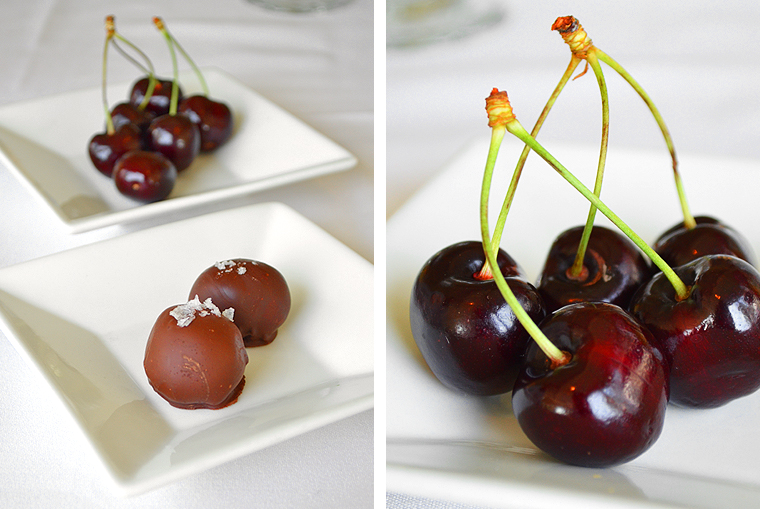
Valrhona Chocolate Truffle, earl grey ganache, maldon sea salt along with Fresh Michigan Sweet Cherries, first of the season

A decadent pair; deep red, lush, just-picked local cherries and rich, dark chocolate truffles filled with a creamy earl grey infused ganache and topped with a sprinkle of Maldon salt. The cherries, perfected by mother nature and skillfully presented in their natural state by the Chef, complimented the rich chocolate treats with soft bergamot flavors. This was a the perfect end to an excellent meal.

TheBoathouseRestaurant_Michigan21_acookscanvas_copyright 2011-2015_57

TheBoathouseRestaurant_Michigan22_acookscanvas_copyright 2011-2015_57

Chef Jim and his culinary team far exceeded my expectations with alternating layers of intense and delicate flavors and exquisite textures. If you are ever up in northern Michigan, you should point your car toward old mission peninsula and take in the beautiful scenery on your way to one of the region’s best restaurants, and try these dishes out for yourself.

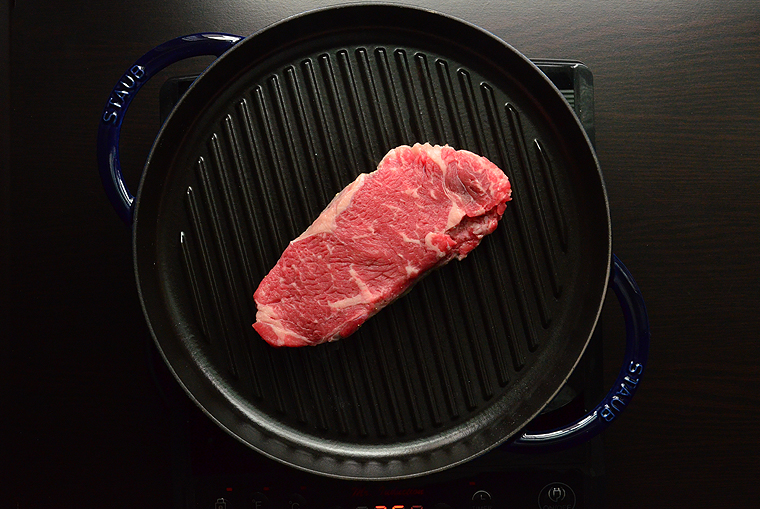
Grilled New York Strip Steak with Fresh Thyme served with Francis Ford Coppola’s Diamond Collection Cabernet Sauvignon

staub_summer_steak4_ acookscanvas-copyright2012-2015_52

The sizzle of a thick steak searing on a hot grill is one of the best things about dining alfresco, and charred, crisp summer vegetables are the perfect addition to the summertime dinner table. Living in the city, I have no place for a barbeque grill, but I can enjoy the same flavors and textures in my kitchen or out on my balcony with a Staub steamgrill. Its heavy cast iron construction retains the heat needed to sear heavy cuts of steak, and its domed glass lid allows the addition of steam to cook meats and vegetables without drying them out like a gas or charcoal grill can. I’ve used it many times on the stovetop but my favorite way to use it is outdoors on a portable induction burner, the combination being so compact that I can place it in the middle of the table like a hibachi and cook as we eat, fondue style!

I like to marinate chunks of chicken and use skewers to put them on the grill a few at a time, alongside asparagus spears, quartered onions, wedges of fresh tomato, and green onions for a fresh and flavorful outdoor meal without the constant interruption of tending a conventional grill.  It has a beautiful deep blue enamel outside and the interior has a textured black enamel that looks just like bare cast iron, but with really impressive non-stick properties, and no matter how charred and burnt it looks after use it always cleans up just like new with a brief soak and a quick scrub with a nylon brush. I’ve used it nearly a dozen times indoors and out, and as you can see in the photos, it still looks exactly like it did the day I took it out of the box!

staub_summer_steak1_ acookscanvas-copyright2012-2015_52

staub_summer_steak2_ acookscanvas-copyright2012-2015_52

A bit about choosing steaks; avoid the cheap cuts and buy the best steaks your budget will allow and choose thick steaks marbled with fat. If you don’t know which cuts are best for grilling, tell your butcher how you plan to cook and ask for their recommendation. We like New York strips for weekend meals, or filet mignon for special occasions.

Before grilling, thoroughly pat the steaks dry with paper towels to ensure a good sear, and season with coarse sea salt and cracked pepper just before placing on the grill. I like to char some thyme or rosemary sprigs alongside my steaks to add a bit more flavor as they cook. As the fat starts to run down between the grill ridges, and if you’ve got the pan hot enough it will smoke adding that characteristic grilled steak flavor, and if you prefer the wood smoked flavor of a charcoal grill, look for a smoked salt to use in place of sea salt. Always allow steaks to rest for 5-10 minutes on a plate before serving to allow the juices to be re-absorbed.

staub_summer_steak3_ acookscanvas-copyright2012-2015_52

staub_summer_steak5_ acookscanvas-copyright2012-2015_52

Even in hot weather red wine is the perfect companion to a juicy steak, and lately I’ve been enjoying Coppola’s diamond collection, their robust cabernet sauvignon has aromas of wild berries, dark cherries, cloves, anise and toasted oak that pairs very nicely with grilled beef and summer vegetables.

Grilled New York Strip Steak with Fresh Thyme served with Francis Ford Coppola’s Diamond Collection Cabernet Sauvignon

Ingredients
2 New York Strip Steaks (1½ – 2 inches thick)
Fresh sprigs of thyme
sea salt
cracked black pepper

Directions
Preheat a stovetop grill pan over medium-high heat until the temperature reaches 475’F. Arrange the room temperature steaks on a plate or cutting board and pat dry both sides, then just before cooking sprinkle liberally with fresh, coarse-ground black pepper and sea salt, gently pressing it into both sides. Place the steaks in the preheated, non-oiled grill pan (Tsssssss! There’s the sound I was talking about!) and cook according to your preference.

Please see below for cooking times for
For rare doneness cook for 3-4 minutes per side.
For medium doneness cook for about 5 minutes per side.
For medium well doneness cook about 6 minutes per side.
For well done cook for 7 minutes per side.

When the first side is grilled or seared, flip the steak with tongs as using a fork will allow the juices to escape from the steak. Add fresh thyme a few minutes before the steak is done to incorporate a hint of the herb flavor throughout the steak. Place cooked steaks on the cutting board and allow them to rest for 5-10 minutes and sprinkle with a little sea salt just before serving.

Featured Products
Staub Cast Iron 12″ Round Steam Grill – Dark Blue
Francis Ford Coppola’s Diamond Collection Cabernet Sauvignon
Epicurean Cutting Board

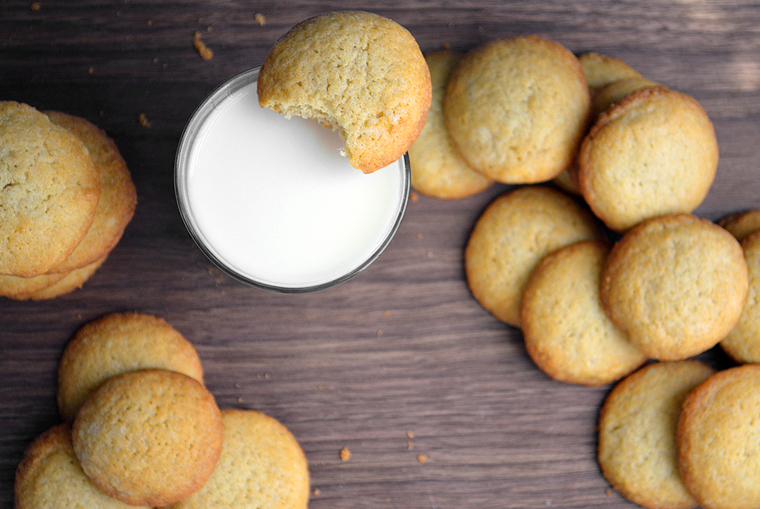
Chocolate Chipless Cookies

chiplesscookies10_ acookscanvas-copyright2012-2015_51

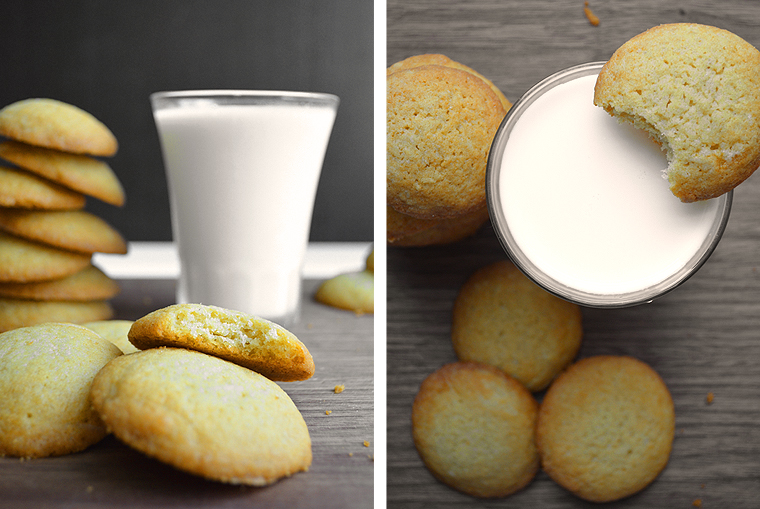
Everyone loves chocolate chip cookies, and who doesn’t have a favorite recipe, whether its a classic right from the bag of chips, or an old stand-bye handed down from mom. There are hundreds of variations to choose from, that suit every taste. Every taste except mine, that is. My family and friends know I’m picky when it comes to chocolate, and I’m not a fan of overly-rich chocolate that drowns out everything else, and makes me reach for a glass of milk.

chiplesscookies1_ acookscanvas-copyright2012-2015_51

chiplesscookies2_ acookscanvas-copyright2012-2015_51

chiplesscookies3_ acookscanvas-copyright2012-2015_51

chiplesscookies4_ acookscanvas-copyright2012-2015_51

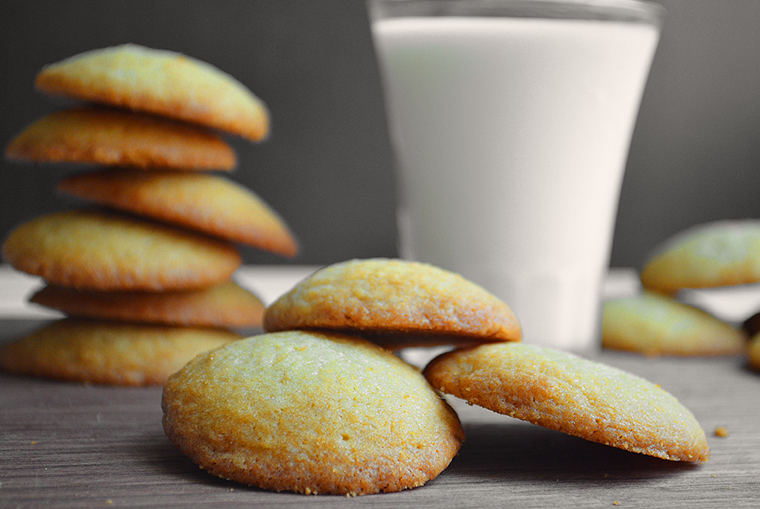
I do love chocolate, but its something I have to be craving to enjoy. My husband, on the other hand, loves chocolate and nothing could ever be too chocolatey for him.; this creates bit of a problem when it comes to the recipe we use in our home. My solution is to separate out some of the dough before adding the chips, so I can have some chipless, and his receive an extra dose of chocolate. He usually turns his nose up at my weird chocolate-less cookies, until one day he grabbed one and to both our surprise, he actually liked it!

chiplesscookies5_ acookscanvas-copyright2012-2015_51

chiplesscookies6_ acookscanvas-copyright2012-2015_51

chiplesscookies7_ acookscanvas-copyright2012-2015_51

chiplesscookies8_ acookscanvas-copyright2012-2015_51

I’ve made whole batches completely without chips a few times, but found that the basic recipes can be improved upon as they always seem to rely on the chips for sweetness and flavor. This lead to some experimentation until I came up with what I think is a good, basic chipless recipe, and you can add nuts, cinnamon or butterscotch chips, raisins, dried berries, or tweak the base recipe with nutmeg or other flavors!

chiplesscookies9_ acookscanvas-copyright2012-2015_51

chiplesscookies11_ acookscanvas-copyright2012-2015_51

Chocolate Chipless Cookies
makes 4 – 5 dozen depending on size

Ingredients
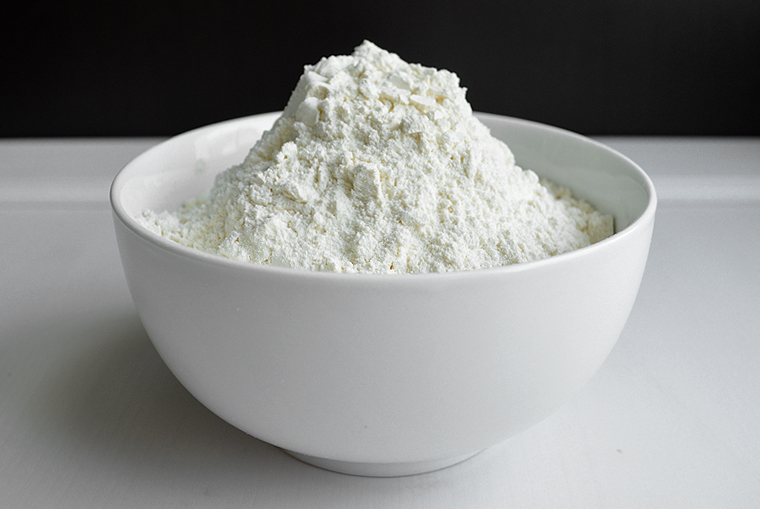
2 1/4 cups all-purpose flour
1 teaspoon baking soda
1 teaspoon sea salt (I use coarse sea salt)
1 1/2 teaspoon vanilla extract (I make my own)
2 sticks butter, softened
3/4 cup granulated sugar
3/4 cup brown sugar
2 large eggs

Instructions
Preheat oven to 375’F/190’C

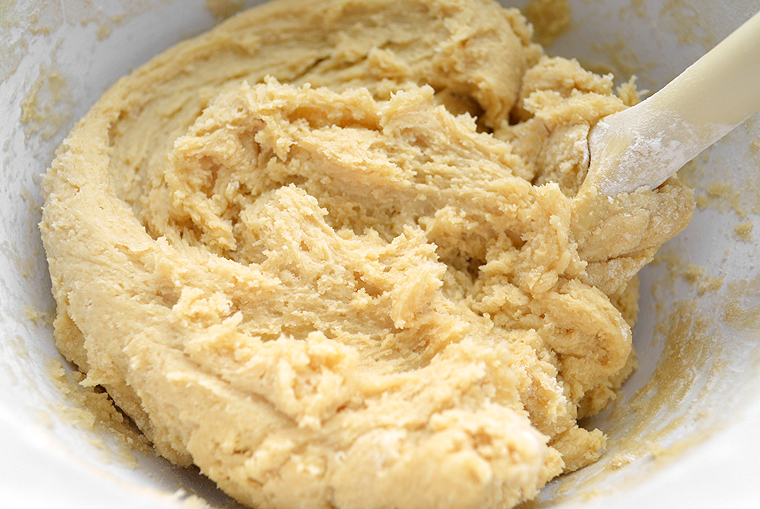
Combine flour, baking soda and salt in a small bowl and set aside. Cream softened butter and both sugars together until creamy. Add the vanilla extract and mix. Add the eggs one at a time making sure they are well beaten. Gradually blend the flour mixture until well combined.

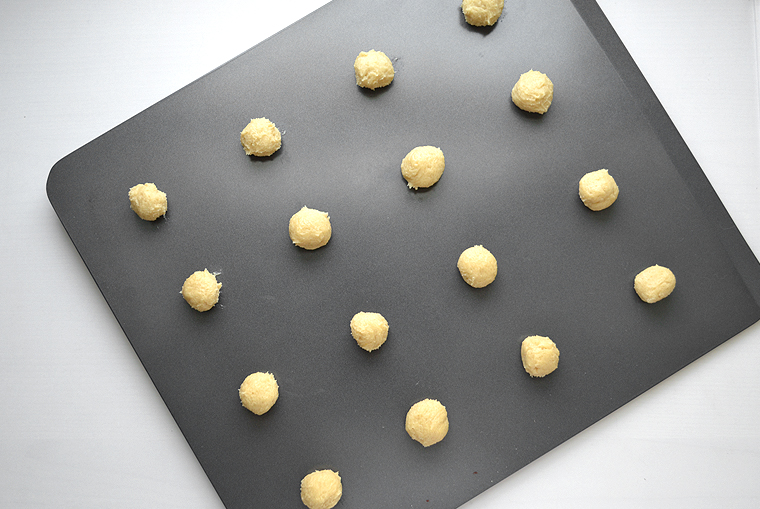
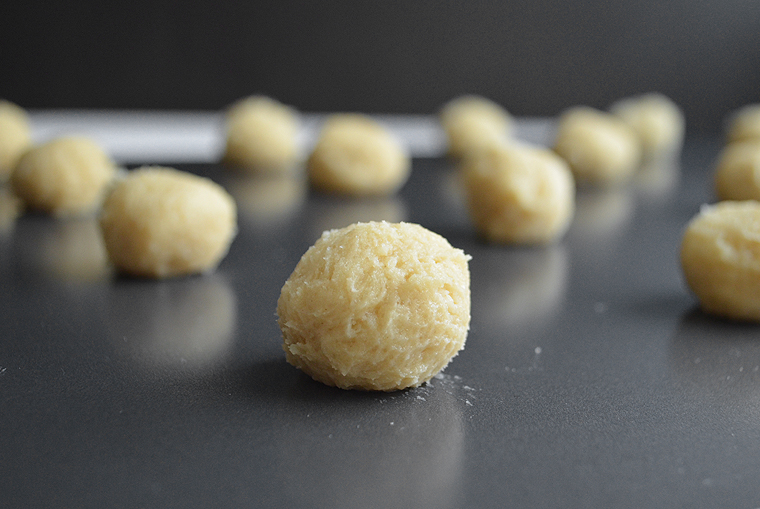
Drop rounded teaspoon balls onto ungreased baking sheets. Bake 9-10 minutes or until golden brown. Cool on baking sheet for for a minute, remove and place on wire rack to cool.

*Variations and add-ons
If you want to add chips, nuts, or dried berries please see below for amounts.

Chips: 1-2 cups
Nuts: 1 cup
Dried berries (cranberries): 1/2-1cup

Ratatouille

revol_france_ratatouille_ acookscanvas-copyright2012-2015_50

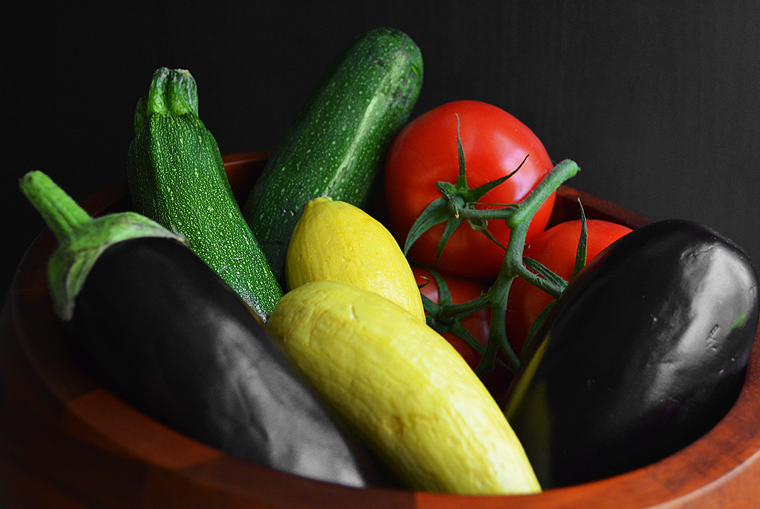
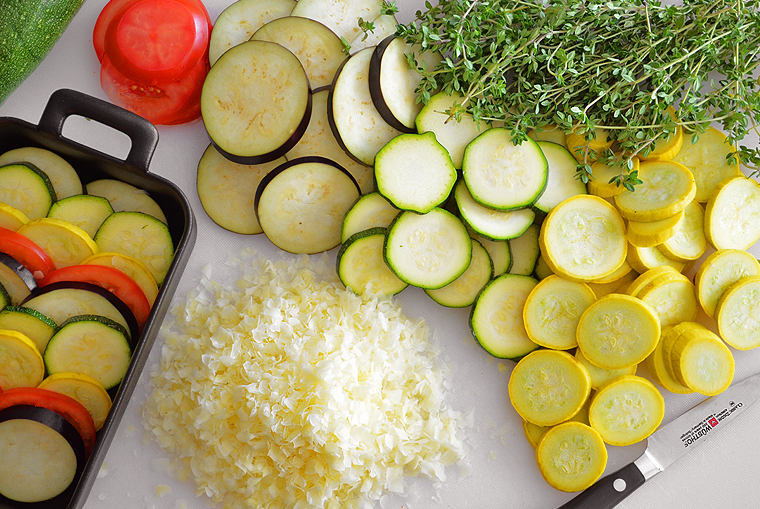
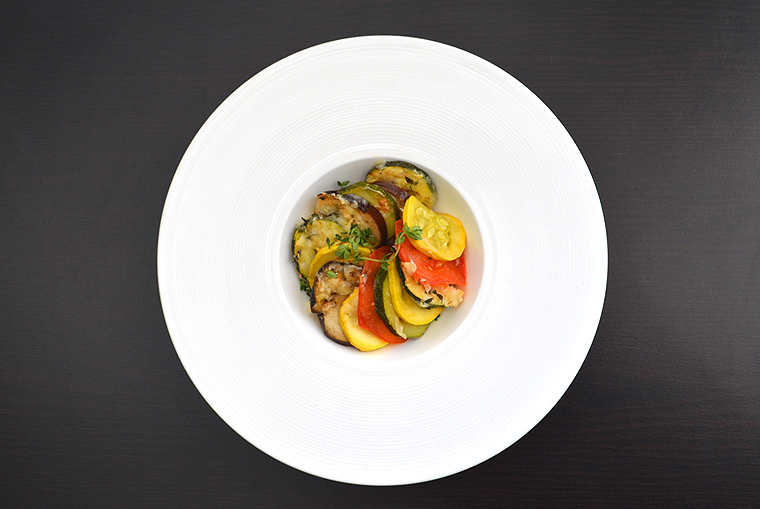
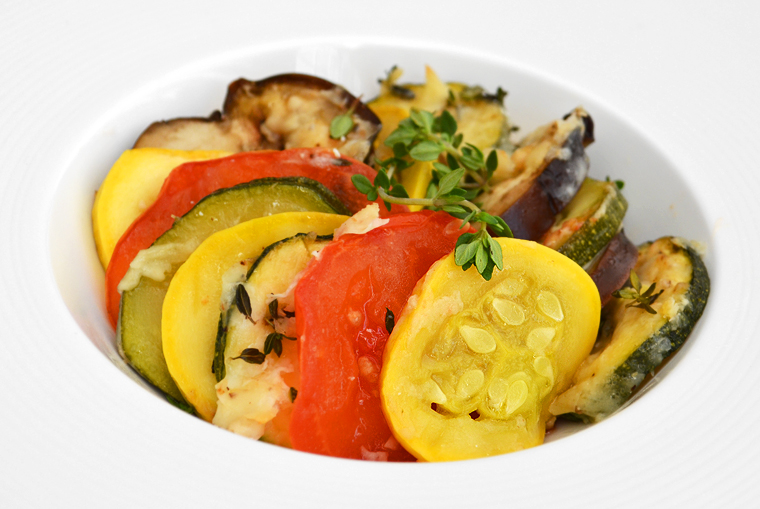
Spring has arrived at last, the trees are full of leaves again and the days are getting longer. Local farmer’s markets are just starting up again and though its still early in the season, the first summer vegetables are starting to appear. Deep red tomatoes, golden yellow squash, dark green zucchini, and violet eggplant are some of my favorites and the sight of them has me craving the classic French summer dish ratatouille.

revol_france_ratatouille2_ acookscanvas-copyright2012-2015_50

revol_france_ratatouille4_ acookscanvas-copyright2012-2015_50

revol_france_ratatouille3_ acookscanvas-copyright2012-2015_50

revol_france_ratatouille9_ acookscanvas-copyright2012-2015_50
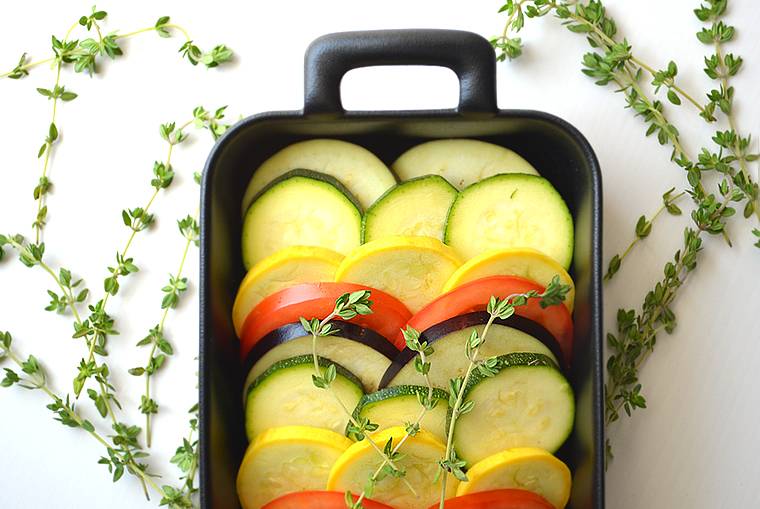
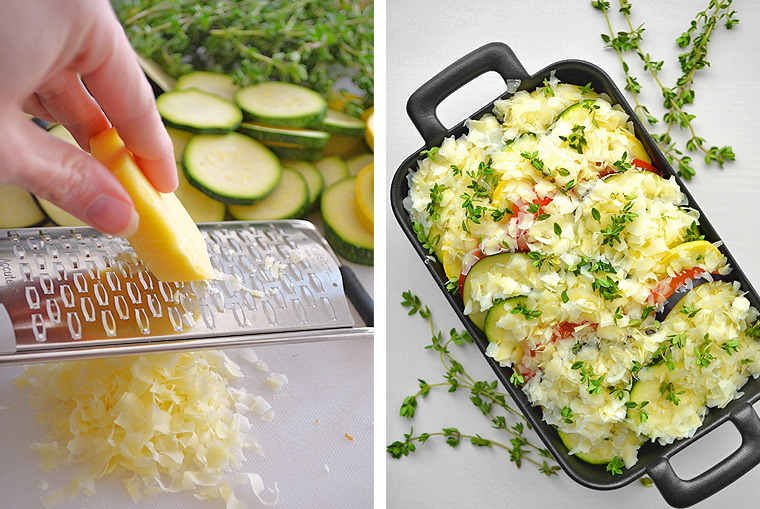
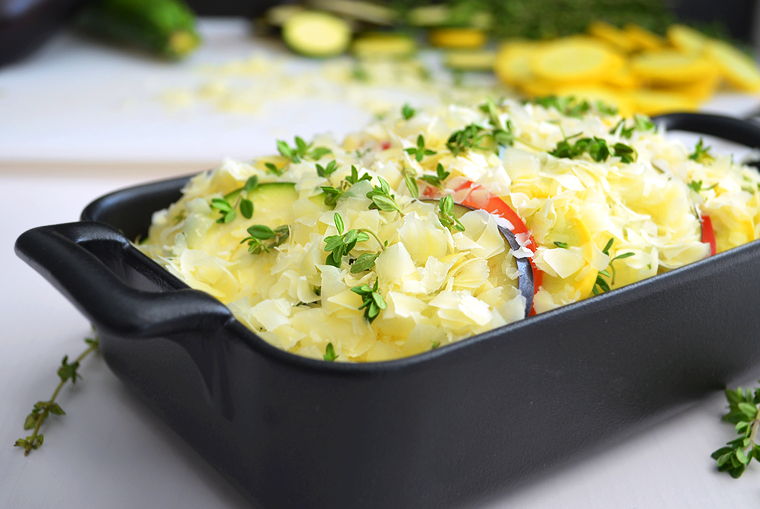
A rustic country dish that originated in Provence, it can be simmered on the stove top for a stew-like texture, or baked in the oven to caramelize the vegetables, topped with shredded Gruyere to add a rich, nutty flavor. Thinly slicing the vegetables lets their flavors combine, complimenting each other and absorbing the aromatic Herbs de Provence and fresh garlic.

revol_france_ratatouille6_ acookscanvas-copyright2012-2015_50

revol_france_ratatouille8_ acookscanvas-copyright2012-2015_50

revol_france_ratatouille7_ acookscanvas-copyright2012-2015_50

revol_france_ratatouille5_ acookscanvas-copyright2012-2015_50

Savory and versatile, serve it as a main dish with a salad of fresh greens, a crusty baguette and sea-salted butter; or as a side dish it makes a great addition to a backyard barbecue, and is delightful even when served chilled at a picnic!

revol_france_ratatouille11_ acookscanvas-copyright2012-2015_50

revol_france_ratatouille12_ acookscanvas-copyright2012-2015_50

revol_france_ratatouille14_ acookscanvas-copyright2012-2015_50

revol_france_ratatouille13_ acookscanvas-copyright2012-2015_50

revol_france_ratatouille15_ acookscanvas-copyright2012-2015_50

Ratatouille
serves four

Ingredients
2 medium zucchini, thinly sliced
2 medium yellow squash, thinly sliced
1 large eggplant, thinly sliced
2 medium tomatoes, medium sliced
4 large cloves garlic, finely chopped
1/4 cup extra virgin olive oil, divided
1 cup shredded gruyère cheese
1/2 teaspoon dried Herbs de Provence
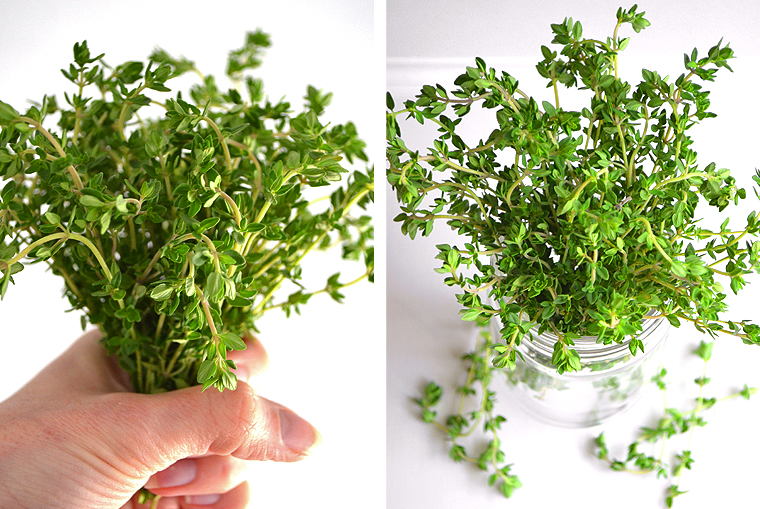
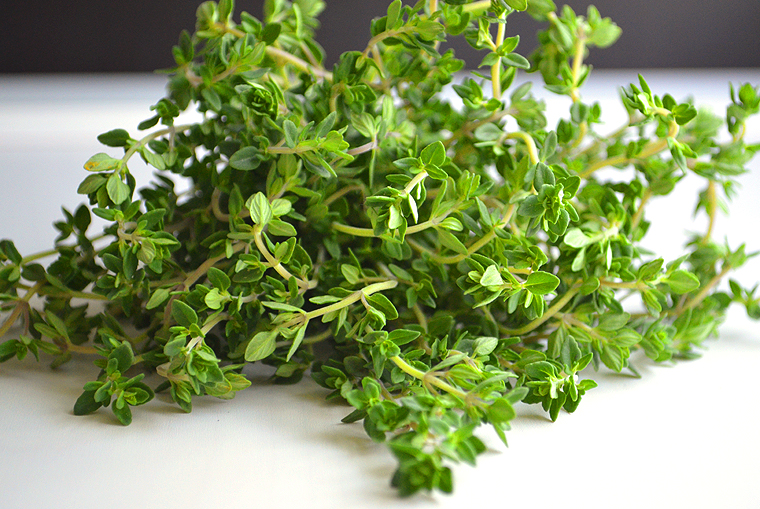
2 teaspoon fresh thyme (reserve a few additional springs to place on top while baking and for garnish
sea salt (I used Les Salines de Guérande)
cracked black pepper
Fresh baguette or your favorite crusty bread

Preheat oven to 325’F/150’C

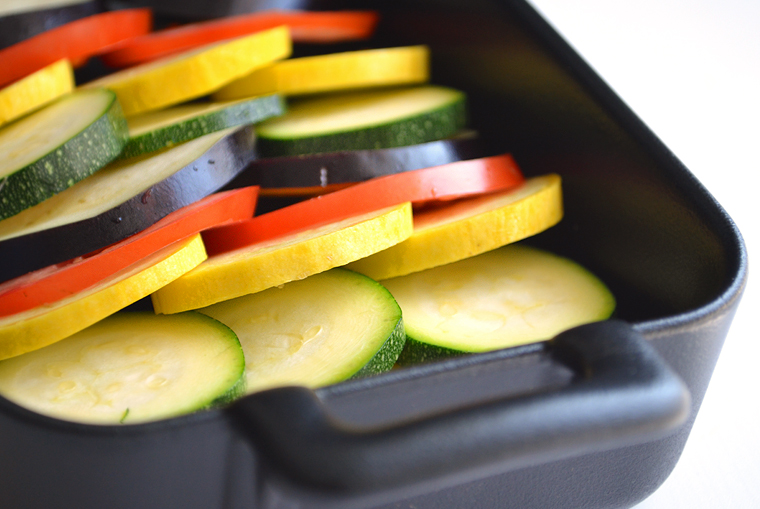
Thinly slice the zucchini, squash, eggplant, and tomatoes with a knife or mandolin slicer. Add half of the olive oil to the bottom of your baking dish along with half of the garlic and stir. Carefully arrange half of the vegetables, alternating them in this order: eggplant, zucchini, squash, tomato, repeating until the bottom of the dish is covered. Drizzle with olive oil, half of the gruyère, and sprinkle with Herbs de Provence, sea salt, black pepper. Arrange a second layer just as the first, dressing the top again with cheese and herbs, and bake for one hour uncovered, allowing crisp edges to form. Cool slightly and serve with crisp salad and a warm baguette!

Featured Products
Revol Belle Cuisine 6 liter Rectangle Baking Dish
Les Salines de Guérande salt
Epicurean Cutting Board
WÜSTHOF Classic IKON 3 ½” Paring Knife

Renowned Chef-Restaurateur Daniel Boulud’s Chicken Tagine

revol_france_daniel_boulud_chicken_tagine15_ acookscanvas-copyright2012-2015_49

Since the 19th century when France colonized Morocco and Algeria, French food culture has experienced an infusion of North African flavors and techniques. Paris is somewhat of a hotspot of Moroccan cuisine and is where we first experienced the exotic flavors of Moroccan cooking. One of our favorite restaurants, Le404, is located in the 3rd arronidisement and is widely known as one of the best restaurants in Paris, and is quite well known for their traditionally prepared chicken tajine.

revol_france_daniel_boulud_chicken_tagine1_ acookscanvas-copyright2012-2015_49

revol_france_daniel_boulud_chicken_tagine2_ acookscanvas-copyright2012-2015_49

Tajine (also correctly spelled tagine), refers to both a Moroccan cooking vessel and the style of cooking, as well as to a popular dish which could be compared to a stew. However, unlike a simple stew, tajine features an exotic combination of Moroccan spices, preserved lemons, and olives! I like to think of myself as quite adventurous when it comes to food and cooking, but this is something I’d never imagined making at home until my friends at Revol asked me to try out their new ceramic tajine.

revol_france_daniel_boulud_chicken_tagine7_ acookscanvas-copyright2012-2015_49

revol_france_daniel_boulud_chicken_tagine8_ acookscanvas-copyright2012-2015_49

revol_france_daniel_boulud_chicken_tagine9_ acookscanvas-copyright2012-2015_49

revol_france_daniel_boulud_chicken_tagine10_ acookscanvas-copyright2012-2015_49

revol_france_daniel_boulud_chicken_tagine11_ acookscanvas-copyright2012-2015_49

The cooking pot known as a tajine can be found in every Moroccan household. It is a shallow clay dish with a cone shaped lid that helps steam to condense and return to the food rather than escaping from the pot. Traditionally used over hot coals or in communal ovens, fired clay tajines can be hard to use in a modern kitchen, but Revol of France has brought the tajine into the 21st century with a beautiful design made of high-performance, nonporous ceramic, it can go from freezer to microwave to oven to stovetop to table without missing a beat!  Not only can it be used on gas and electric stovetops, which makes it perfect for summer cooking when you don’t want to use your oven, but it works equally well on induction cooktops like the one I have in my studio! If for some strange reason you end up with leftovers, you can even put in in the freezer!

revol_france_daniel_boulud_chicken_tagine3_ acookscanvas-copyright2012-2015_49

revol_france_daniel_boulud_chicken_tagine4_ acookscanvas-copyright2012-2015_49

revol_france_daniel_boulud_chicken_tagine5_ acookscanvas-copyright2012-2015_49

revol_france_daniel_boulud_chicken_tagine6_ acookscanvas-copyright2012-2015_49

The dish known as tajine is a staple of Moroccan cuisine, which typically features goat, lamb, fish, or chicken with the traditional combination of cumin, turmeric, ginger, and black pepper, but what sets tajine apart from other Moroccan dishes is the addition of garlic, cinnamon, coriander, paprika, cardamom, and allspice, and a tajine is always slow-cooked for maximum flavor. This list may sound a bit long but every Moroccan spice cabinet includes all of these and more. The colorful blend and intoxicating fragrance will have your mouth watering before you’ve even started cooking! If the cost concerns you, rather than spending $8-$10 a piece for whole bottles of each spice, go to Whole Food’s spice counter and measure out exactly what you need into neat little pouches and save a bundle! If you become a hardcore fan of Moroccan food like me, why not mix up a bottle full of tajine blend to have on hand?

revol_france_daniel_boulud_chicken_tagine12_ acookscanvas-copyright2012-2015_49

revol_france_daniel_boulud_chicken_tagine13_ acookscanvas-copyright2012-2015_49

revol_france_daniel_boulud_chicken_tagine14_ acookscanvas-copyright2012-2015_49

To test this beautiful tajine out for the first time, I selected Daniel Boulud’s chicken tagine with cauliflower, castelvetranos olives, and preserved meyer lemons that he serves at his restaurant Daniel Sud on the Upper West Side in New York City. I started this website with the idea of mastering the most complicated recipes of renowned chefs, and although this one looked like it would be very difficult, with some preparation it was in fact a pleasant afternoon spent grinding spices and practicing traditional cooking skills; and resulted in a fragrant, flavorful and colorful dish that would suit almost any occasion. Also, if you don’t yet have a tajine in your kitchen, you can make this in a dutch oven and the results should be pretty close and give you a solid first experience in Moroccan cooking. If it turns out that you enjoy Moroccan cooking as much as I do, I highly recommend picking up this tajine by Revol; it is truly a unique piece of cookware and a versatile addition to a well-equipped kitchen.

FOR THE PRESERVED LEMONS
Ingredients

Make at least 3 days before using them.
4-5 fresh lemons (I chose meyer lemons because they have a thin, tender peel)
5-6 tsp. sea salt

Slice 3 lemons in half and coat the cut surface in sea salt, then pack tightly in a small jar, sprinkle with a bit more salt, then fill the jar up with juice from the remaining lemon. Let sit for 3 days before use (or overnight in a pinch!) and up to 3 months for a really traditional flavor and texture. You can also find preserved lemons at some grocery stores and even using thinly sliced fresh lemon would work but I recommend making them 3 days in advance.

Daniel Boulud’s Chicken Tagine
recipe from the New York Times
Succulent, tender, and full of flavor, it features preserved lemons which are very easy to make.

*Note* If you are using a traditional clay tajine you must soak the pot overnight in water to prevent it from cracking in the oven. The Revol tajine requires no soaking.

FOR THE SPICE MIX
(Wherever you can, buy whole spices and grind just before use. Trust me, it makes a world of difference, especially the cumin)
3 ½ Tbsp. sweet paprika
1 tsp. garlic powder
2 tsp. ground cumin
2 tsp. cinnamon
3 Tbsp. ground coriander
1 Tbsp. plus 1 tsp. ground turmeric
1 Tbsp. ground ginger
½ tsp. ground cardamom
2 ½ tsp. ground allspice

FOR THE TAGINE
8 chicken thighs, approximately 3 pounds
Kosher salt and freshly ground black pepper to taste
2 Tbsp spice mix
⅓ c. extra-virgin olive oil
3 Roma tomatoes
1 head cauliflower, cut into bite-size florets
1 large white onion, diced
3 cloves garlic, diced
1 Tbsp. grated fresh ginger
1 pinch saffron
1 tsp. tomato paste
2 c. chicken stock, homemade or low-sodium
3 Tbsp. preserved lemons, approximately 2 lemons, roughly chopped
1 c. green olives, like Castelvetranos
½ bunch cilantro, leaves picked and stems discarded.

PREPARATION
Combine the spices in a dry sauté pan set over low heat, and toast them gently until they release their fragrance, 2 minutes or so. Transfer to a bowl, and allow to cool.

Preheat oven to 350F. Season the chicken thighs with salt, pepper, and 2 tablespoons of the spice mix and add 2 tablespoons of olive oil.

Bring a large pot of salted water to a boil over high heat, and set a large bowl of ice water to the side. Core the tomatoes, and score an X on their bottoms. Boil the cauliflower florets in the water for 3 minutes, then submerge in ice water. Boil the tomatoes for 20 seconds then chill in ice water as well. Remove the cauliflower when it is cold, and pat dry. Peel the skin from the tomatoes then cut into quarters lengthwise. Trim away the seeds to make petals.

Heat the remaining olive oil in a large sauté pan set over medium heat, and sear the chicken in batches, starting skin-side down, until the thighs are browned. Remove the chicken to a large Dutch oven or tagine pot. Remove all but two tablespoons of the fat in pan, then return it to the heat, and brown the cauliflower and add to the chicken.

Reduce heat below the pan, and add the onion, garlic, ginger and saffron. Cook, stirring, until the onions are translucent, approximately 5 minutes. Add tomato paste and chicken stock, and simmer until reduced by 1/3.

Pour sauce over the chicken and cauliflower, cover the pot and transfer to oven for 20 minutes. Remove, stir in the tomatoes, preserved lemon and olives, then cover the pot again and cook for an additional 20 minutes or until the chicken is cooked through. Serve the chicken in the pot, garnished with the cilantro leaves, with couscous. Reserve remaining spice mix for the next batch or another use. It keeps well in a sealed container.

Featured Products:
Revol Porcelaine France
Wikipedia Tajine
The Art of Moroccan Cooking
Le 404 Restaurant, Paris France
WÜSTHOF CLASSIC IKON Paring Knife
Epicurean Salt Box
Epicurean Cutting Board
Maxwell Williams White Basics Cirque Conical Bowl

Tender Savory Asiago and Tapenade Pane Sciocco

savory_italian_Panesciocco_bread10_ acookscanvas-copyright2012-2015_47

The last time I was in Italy I spent a morning browsing the outdoor market with its rows of tables full of local vegetables and fruits. Behind one of them I watched an old man preparing artichokes before roasting them as a snack for shoppers, the aroma drifting through the market, drawing shoppers to his table full of beautiful vegetables. Without a recipe in mind, I picked out whatever looked the most appealing and ideas started to flood into my mind of what I might make with them.

savory_italian_Panesciocco_bread2_ acookscanvas-copyright2012-2015_47

savory_italian_Panesciocco_bread5_ acookscanvas-copyright2012-2015_47

savory_italian_Panesciocco_bread4_ acookscanvas-copyright2012-2015_47

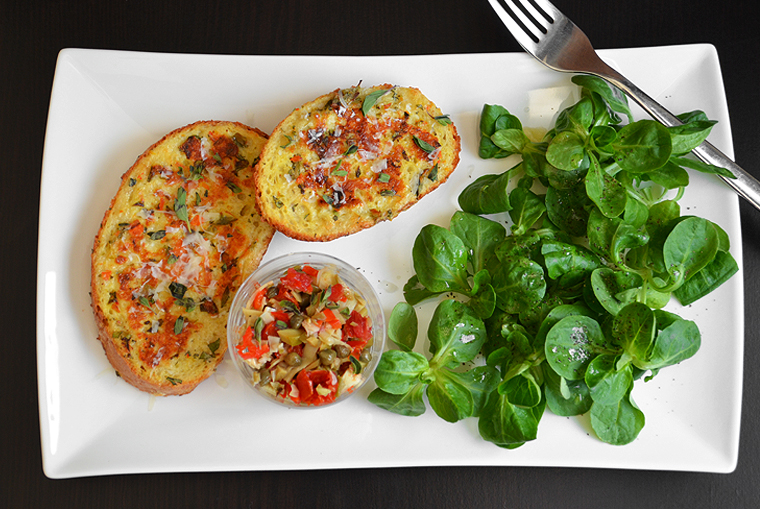
On the way back to our apartment I stopped in a little bakery to admire the array of freshly baked breads both sweet and savory, along with biscotti, pastry, and other treats. What caught my eye was a loaf of pane sciocco, so when I got home I sliced the bread and enjoyed it with a quick tapenade of fresh vegetables and cheese. Pane sciocco is an unsalted bread type from Tuscany, Umbria or Marche also known as Tuscan bread.  I wrote about it in my journal and now as I look through my notes, I realize this could easily be made into a meal! Savory Tuscan bread dipped in egg batter, topping with tangy, freshly shredded asiago, baked until crispy and golden, and topped with spicy olive and pepper giardiniera. It tastes delicious, but what to call it?

savory_italian_Panesciocco_bread6_ acookscanvas-copyright2012-2015_47

savory_italian_Panesciocco_bread8_ acookscanvas-copyright2012-2015_47

savory_italian_Panesciocco_bread7_ acookscanvas-copyright2012-2015_47

This dish is quick and easy and can be served with a salad, and is perfect for lunch or dinner! I’ve paired mine with a simple salad of tender, nutty mâche, or lamb’s lettuce, which was a favorite of ours in Germany where it is called feldsalat. We’ve been looking for it here in the states for some time, and I recently discovered it at Whole Foods! Keep an eye out for it, and if you’re lucky enough to find it, I highly recommend you give it a try!

savory_italian_Panesciocco_bread9_ acookscanvas-copyright2012-2015_47
savory_italian_Panesciocco_bread12_ acookscanvas-copyright2012-2015_47
savory_italian_Panesciocco_bread11_ acookscanvas-copyright2012-2015_47

Tender Savory Asiago and Tapenada Pane Sciocco
Serves 2

2 large eggs
1/2 cup 2% milk
1/2 cup grated asiago cheese, plus more for serving
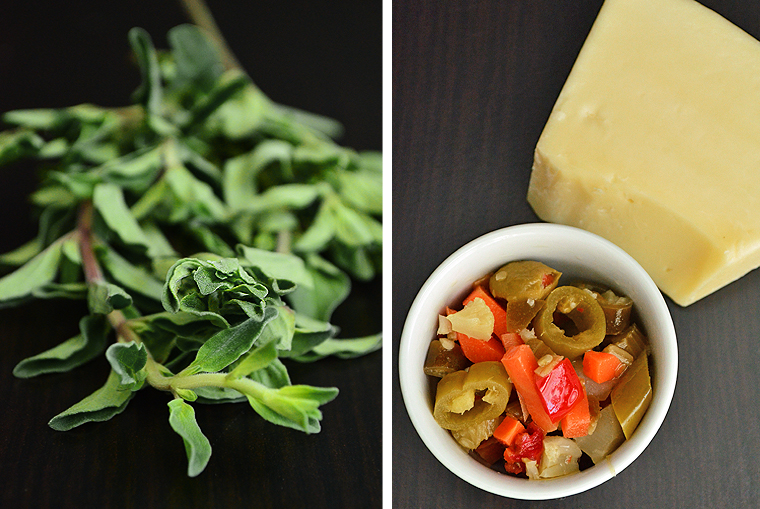
2 tablespoons giardiniera, minced
1 large garlic clove, finely chopped
6 slices Tuscan bread, (Ciabatta or Italian will work perfectly as well)
1/2 teaspoon kosher salt
Freshly ground black pepper, to taste
1 Tbsp. unsalted butter, softened
1 Tbsp. minced fresh oregano

Preheat oven to 425’F
Butter a baking sheet and set aside.

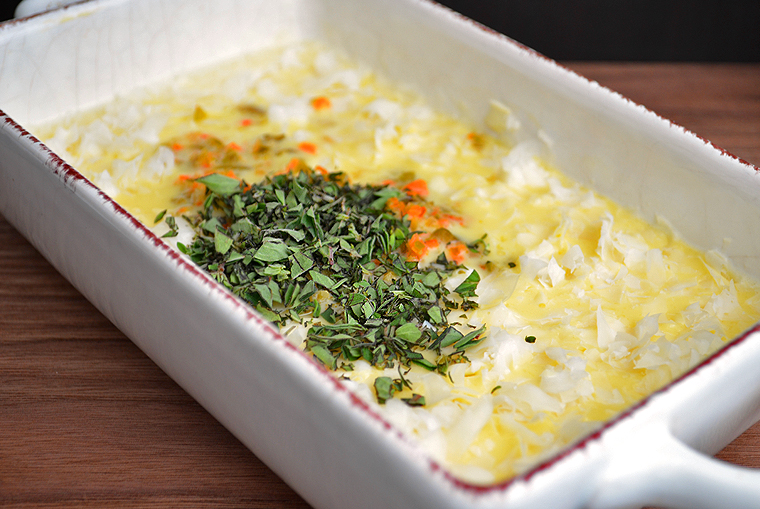
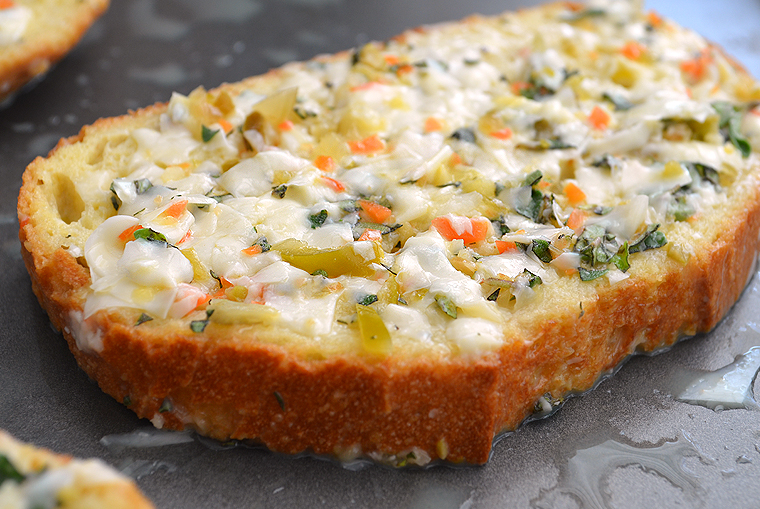
In a baking dish whisk together the eggs then add the milk, asiago, giardiniera, oregano, salt and pepper and mix. Place the sliced bread in the mixture, making sure to coat both sides. Place the bread on the baking sheet. With a fork, be sure to gather the cheese, giardiniera, oregano from the egg mixture, drain, and place on top of the bread slices before placing in the oven. Bake until the bottoms are golden (7-8 minutes). Flip and repeat.

Mache Salad
3 cups Mache lettuce (Boston Lettuce, Lambs Lettuce or Butter Lettuce will do)
1 tablespoon olive oil
1/2 teaspoon honey
1/2 teaspoon meyer lemon juice
freshly cracked pepper and sea salt

In a large bowl, combine the olive oil, lemon juice, honey, salt and pepper. Just before you serve the salad alongside of the savory bread coat the lettuce with the dressing and serve immediately.

Tapenade
Store bought will do, but I made my own with olives, peppers, and artichoke hearts from the antipasti bar at Whole Foods. It works just as well with ingredients from cans and jars, and feel free to create your own mixture!

5 Picquale peppers
5 artichoke hearts (in oil)
1 Tbsp. capers
1/2 cup Tuscan olives (in oil, no spices or herbs)
4 roasted red peppers (in oil)

Roughly chop all ingredients and place in a bowl and serve alongside the savory bread. Enjoy!

Featured Products
White Plate by Maxwell Williams
Epicurean Cutting Board

Champagne Mint Julep

champagne_mint_julep3_ acookscanvas-copyright2012-2015_49 copy

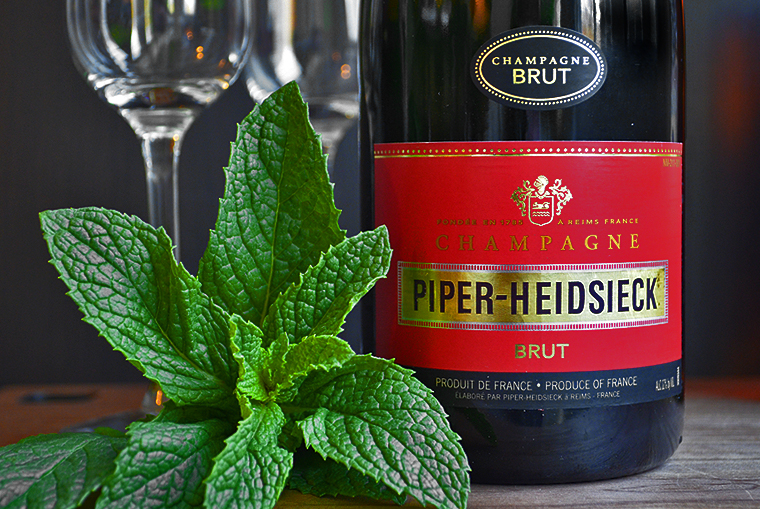
Tomorrow is the Kentucky Derby and what better way to celebrate the “Race to the Roses” than with a Mint Julep! Mine features Four Roses Kentucky bourbon, and it absolutely sparkles with the addition of Piper-Heidsieck Champagne!

champagne_mint_julep5_ acookscanvas-copyright2012-2015_49 copy

champagne_mint_julep2_ acookscanvas-copyright2012-2015_49 copy

The traditional Mint Julep is easy to make with bourbon, sugar, mint, and water, but it tastes so much better if the water is replaced with chilled Champagne! Even if you’re not into horse racing, floppy hats, and bowties, this is a delicious cocktail that can be enjoyed all summer long.

champagne_mint_julep1_ acookscanvas-copyright2012-2015_49 copy

champagne_mint_julep4_ acookscanvas-copyright2012-2015_49 copy

Champagne Mint Julep

2 oz. Four Roses bourbon
8 mint leaves
1 teaspoon simple syrup or unrefined cane sugar (white granulated will work as well)
1 cup of ice
Piper-Heidsieck champagne to top off cocktail

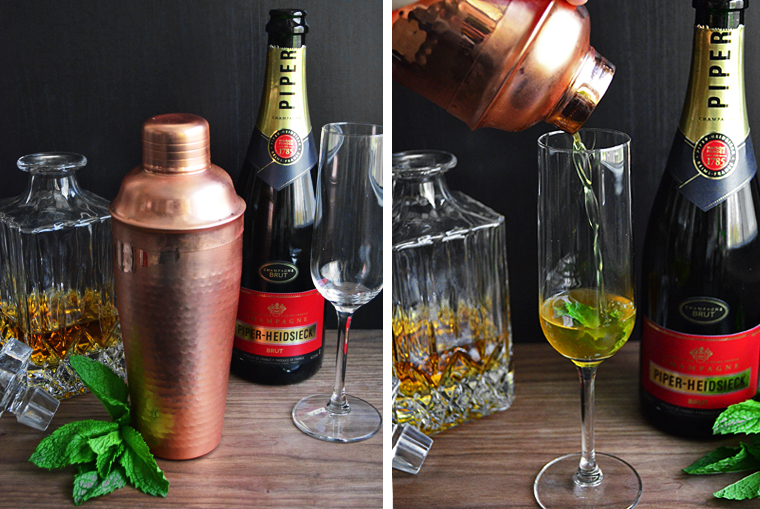
In a mixing glass or shaker, muddle the mint leaves and sugar to bruise them and release their flavor, then add the bourbon and ice, stir and then strain into a champagne flute or cocktail glass, top off with champagne, garnish with mint and serve.

Featured Products
Piper – Heidsieck Brut Champagne
Viski Old Kentucky Home: Hammered Copper Cocktail Shaker
Viski Admiral: Liquor Decanter

Two Classic Cocktails Featuring Carpano Vermouths

Antica_Carpano_Vermouth2_ acookscanvas-copyright2012-2015_46

Trendy drinks come and go, but classic cocktails stand the test of time. One of the most distinguished classics, the Manhattan, originated in New York City in the 1860’s-70’s. Though there are several common variations, the classic recipe is made with American rye whiskey, Italian sweet vermouth, Angostura bitters, and a maraschino cherry.

Antica_Carpano_Vermouth3_ acookscanvas-copyright2012-2015_46

Antica_Carpano_Vermouth1_ acookscanvas-copyright2012-2015_46

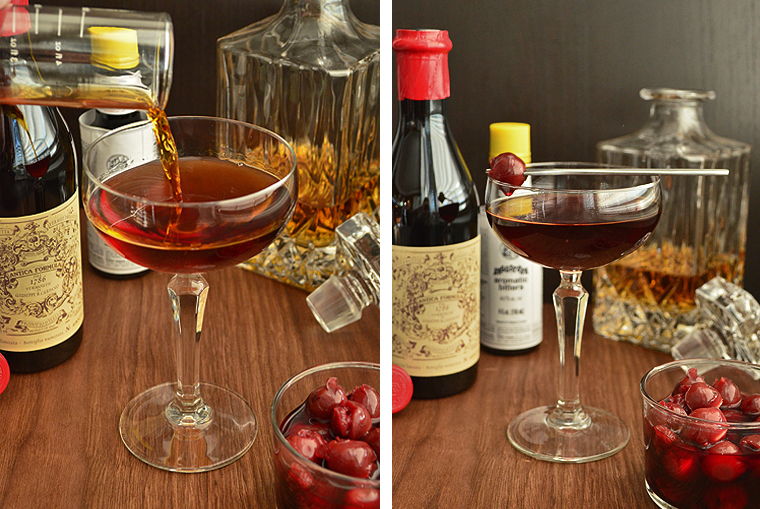
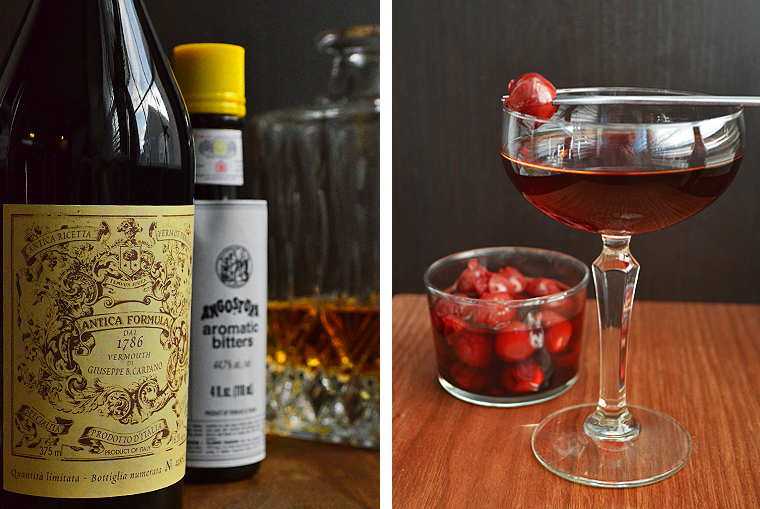
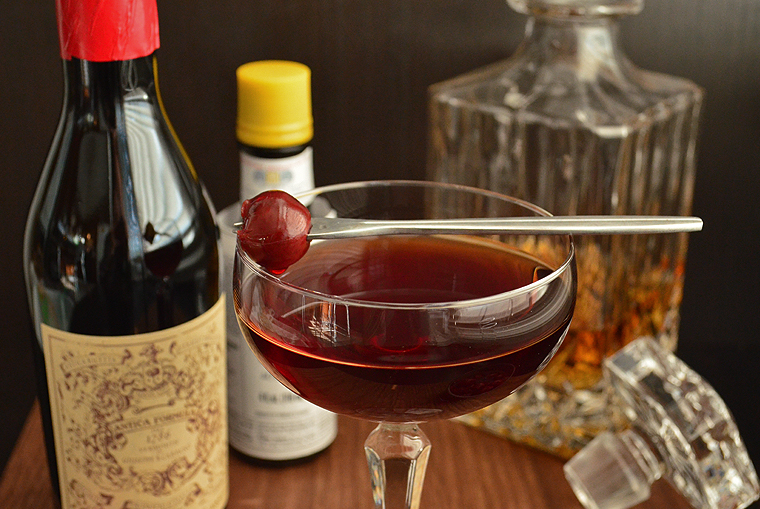
I’ve made a version with period-correct ingredients; Kentucky straight bourbon whiskey, Carpano Antica Formula vermouth, and I chose dark morello cherries instead of maraschinos for their tartness and to enhance the stone fruit and cherry notes in the vermouth.

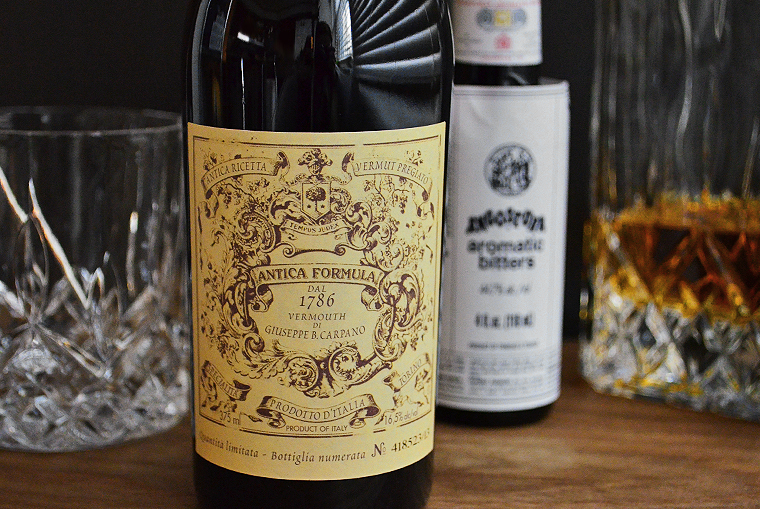
Carpano Antica Formula is made in Italy in small batches according to the original 1786 recipe, from rich southern Italian wines, mountain herbs, and other botanicals. The formula has remained secret for centuries by requiring three people, each of whom knows only part of the recipe, working together in its creation. With complex notes of vanilla, star anise, orange peel, stone fruit, and dates, Italians most often enjoy it over ice with a lemon twist, but it is the perfect base for mixing up an Americano, Negroni, or the subject of this week’s Friday Night Cocktail, the classic Manhattan.

Antica_Carpano_Vermouth4_ acookscanvas-copyright2012-2015_46

This post is the first in a series of Friday Night Cocktails that I will be bringing to you every Friday; I’ll try to stick to commonly available ingredients, but if you’ll need something special, I’ll be sure to post a day early to give you a chance to get what you need!

To read more about Carpano Antica Formula, and where you can buy it, please visit http://www.anticaformula.com

The Manhattan
makes 1 cocktail

2 oz. Bourbon (I prefer Four Roses)
2 oz. Antica Formula sweet vermouth (if you prefer dry substitute Carpano Dry)
3 dashes Angostura bitters
1 oz. Dark Morello cherry juice
1 dark morello cherry for garnish

Place first four ingredients in a shaker without ice and shake to mix. Pour into a coupe and garnish with a cherry. Cheers!

Dry Martini

Antica_Carpano_Vermouth5_ acookscanvas-copyright2012-2015_46

Antica_Carpano_Vermouth6_ acookscanvas-copyright2012-2015_46

Martini recipes dating back to the 1860’s refer to equal parts gin and vermouth, but the cocktail first became famous in the 1920’s when it contained dry gin and white vermouth mixed 2:1. In the century since then the formula has gradually changed, reducing the proportion of vermouth to as little as 50:1, and sometimes as little as a single drop, with aficionados claiming that merely raising a glass of gin in the general direction of Italy is the perfect dry Martini. The trend seems to be permanent, and bartenders today seem trained to use vermouth in the smallest possible dosage, to the disappointment of those who actually enjoy the original.

Garnished with a twist of lemon or a green olive, shaken or stirred, it must always be served ice cold. Cheers!

Antica_Carpano_Vermouth7_ acookscanvas-copyright2012-2015_46

Antica_Carpano_Vermouth8_ acookscanvas-copyright2012-2015_46

Dry Martini
makes 1 cocktail

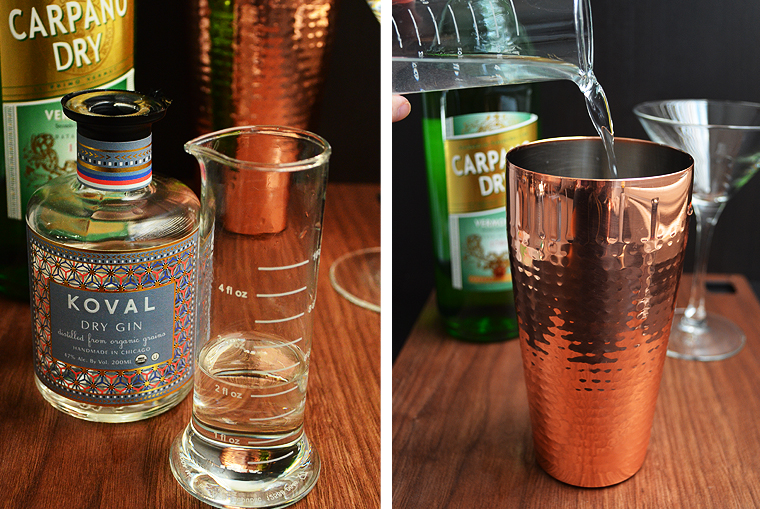
2 oz. fine Gin (I like Koval, which thankfully is also availble in large bottles)
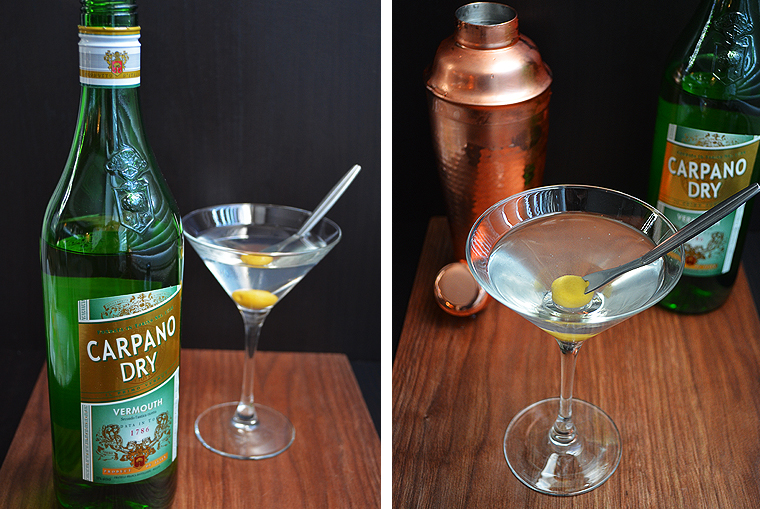
1 oz. Carpano Dry Vermouth
2 ice cubes
1 large green olive or lemon twist as garnish

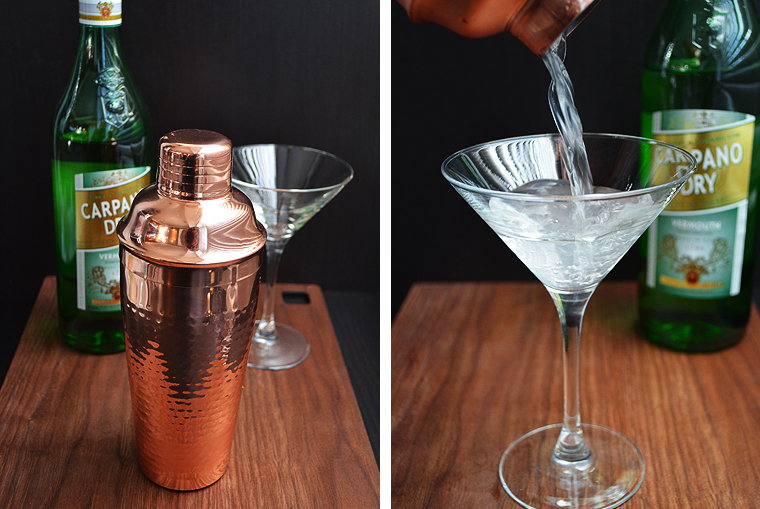
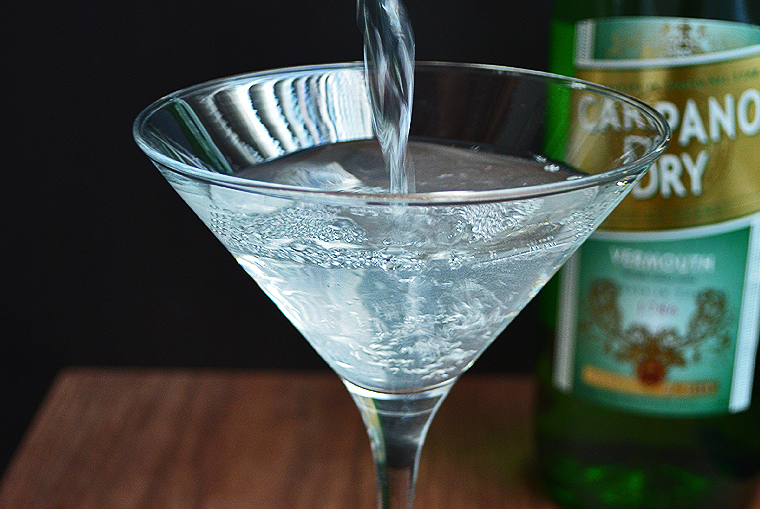
Place the ice cubes in a shaker and add the gin and dry vermouth and shake! Pour into a martini glass, garnish and serve immediately!

Featured Products
Carpano Antica Formula
Carpano Dry Vermouth
Angostura® Aromatic Bitters
Epicurean Cutting Board
Viski Admiral: Liquor Decanter
Viski Old Kentucky Home: Hammered Copper Cocktail Shaker
True Fabrications Irving: Airplane Stir Sticks

Poulet à la crème de Maille Moutarde (Chicken in Maille Mustard Cream Sauce)

Dijon_Chicken9_ acookscanvas-copyright2012-2015_45

Nestled at the heart of the Burgundy region lies the ancient city of Dijon, capital of Côte-d’Or. Settled in the neolithic period, to the Romans it was known as Divio (sacred fountain); today it is a city of 150,000 and known internationally for the distinctive style of mustard which originated there.

Dijon_Chicken6_ acookscanvas-copyright2012-2015_45

Dijon_Chicken7_ acookscanvas-copyright2012-2015_45

From the 11th century onward, Dijon has been a center of tremendous wealth, power, art, learning, and science. But to most people, the name Dijon is synonymous with mustard, and Maille is one of the leading producers of Dijon mustard today.

In 1720 Antoine-Claude Maille, a distiller and vinegar maker who lived in Paris discovered the antibacterial properties of vinegar and created the “Vinegar of the Four Thieves”, an early antiseptic which saved the people of Marseille from the ravages of the plague. He advised them to mix a teaspoon into a glass of water as a drink and to rub the vinegar on the temples and palms which drastically reduced transmission of the disease.

Dijon_Chicken1_ acookscanvas-copyright2012-2015_45

Dijon_Chicken8_ acookscanvas-copyright2012-2015_45

It was in 1742 his son is certified as a master vinegar maker, which instantly put him in a position to sell his mustards to a broader audience, opening his first boutique on Rue Saint-André des Arts in Paris, and shortly thereafter he became the official supplier to the court of Louis XV; it is then that La Maison Maille was established.

Dijon_Chicken2_ acookscanvas-copyright2012-2015_45

Dijon_Chicken3_ acookscanvas-copyright2012-2015_45

Dijon_Chicken5_ acookscanvas-copyright2012-2015_45

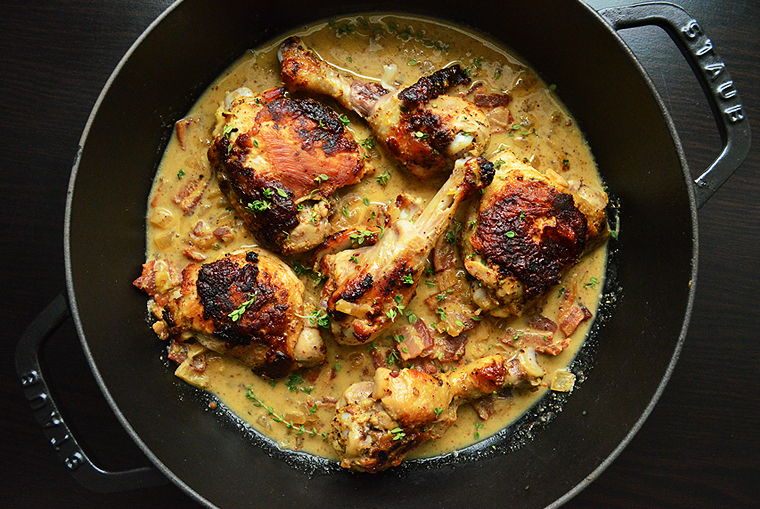
Today mustard is most often used merely as a condiment, however, it is often used in the kitchen as an ingredient in mayonnaise, vinaigrette dressings, marinades, and even barbecue sauces. One of my favorite ways to cook with mustard is in a French country classic poulet à la crème et moutarde à l’ancienne (chicken with whole grain mustard sauce). This dish can be found all over France served in bistros, and there are endless variations to tailor it to local tastes. The authentic recipe calls for heavy cream but I find using a couple tablespoons of crème fraîche adds a velvety richness which wonderfully compliments the golden, crispy skin of the chicken.

Dijon_Chicken4_ acookscanvas-copyright2012-2015_45

Dijon_Chicken10_ acookscanvas-copyright2012-2015_45

Poulet à la crème de moutarde
Chicken with a Creamy Mustard Sauce
Recipe adapted from David Lebovitz ‘My Paris Kitchen Cookbook’
For 4 persons

Ingredients
2 lbs chicken thighs and legs with skin on, divide into two batches
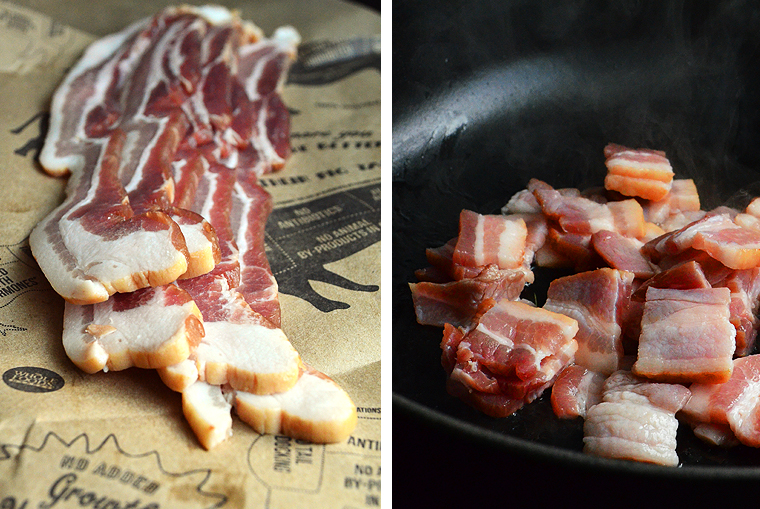
4 slices of lardon (thick cut bacon), sliced across into strips as wide as they are thick
1 small onion, chopped
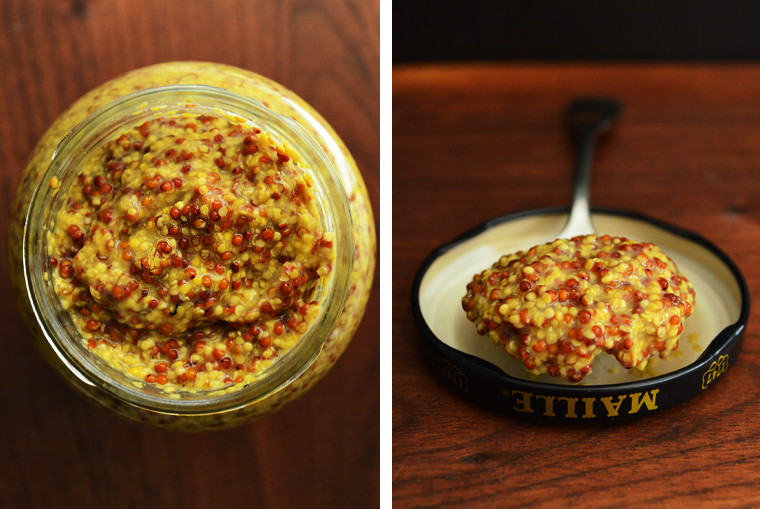
3/4 c whole grain mustard (for coating chicken; I recommend Maille Moutarde a’ l’Ancienne (Old Style mustard)
4 Tbsp additional whole grain mustard (reserve for sauce)
1 Tbsp paprika
1 tsp cracked pepper
2 pinches of coarse sea salt
1 Tbsp butter
3 Tbsp crème fraîche (can substitute sour cream or heavy cream)
1 1/2 c dry white wine (I used a white Bordeaux, you can substitute something dry and fruity)
2 tsp of fresh thyme leaves and a few whole springs for the pot.

Mix the 3/4 cup mustard, paprika, cracked pepper, and sea salt together in a small bowl and set aside. With a paper towel, dry the chicken and lift the skin, sliding a finger underneath to separate it from the meat. With your hands, spread some mustard mixture under the skin and coat the outsides then set aside.

Heat a large, heavy skillet, or a cast iron Dutch oven (Staub is my brand of choice) over medium heat and add the sliced lardons and cook until just starting to brown, stirring frequently. Remove the lardons from the pan and drain on a paper towel. Drain most of the fat out of the pot leaving just a coating on the bottom, then add the chopped onions and cook until soft and translucent. Move the cooked onions to a bowl and set aside.

Add 1 tablespoon butter to the pot and place the chicken skin side down in a single layer. You may need to work in batches to avoid crowding. Cook the chicken on medium heat until the skin is golden, then flip and brown the other side. Once the chicken is cooked and the juices have gone from red to clear, remove from pan and set aside. Deglaze the pan with white wine for about three minutes, scraping the darkened bits of fond from the bottom. Add the fresh thyme, bacon, and onions back to the pot and cook for two minutes. Add the whole grain dijon mustard, crème fraîche and stir. Add the chicken to the pot and turn to coat, then cover. Cook the chicken in the sauce for about 10 minutes on low to medium heat. Plate directly from pot and garnish with fresh thyme sprigs before serving immediately.

Featured Products
Staub Cast Iron 2.75-qt Braiser – Matte Black
Maille Mustard
Epicurean Cutting Board
Maxwell Williams White Plate

Époisses Berthaut Cheese from Fromagerie Berthaut

Époisses Berthaut1_ acookscanvas-copyright2012-2015_44

In a small medieval village in eastern France, artisan cheesemakers produce small, fragrant wheels of a pungent cow’s milk cheese following a traditional process dating back to the early 16th century. Named for the village where it is made, Époisses de Bourgogne was a favorite of Napoleon, who called it “The King of all cheeses,” and also of famed French gastronome Jean Anthelme Brillat-Savarin, who once said “A dessert without cheese is like a beautiful woman with only one eye.”

Époisses Berthaut2_ acookscanvas-copyright2012-2015_44

Époisses Berthaut3_ acookscanvas-copyright2012-2015_44

Production of this legendary fromage ceased for a time following the Second World War, but was revived in 1956 by Robert and Simone Berthaut, who founded Fromagerie Berthaut in 1956 to employ those who still possessed the traditional skills and knowledge to produce it. Never dreaming that this would be the start of the spectacular renewal of this ancient cheese, the fromagerie is now operated by their son, Jean Berthaut.

Époisses Berthaut4_ acookscanvas-copyright2012-2015_44

Époisses Berthaut5_ acookscanvas-copyright2012-2015_44

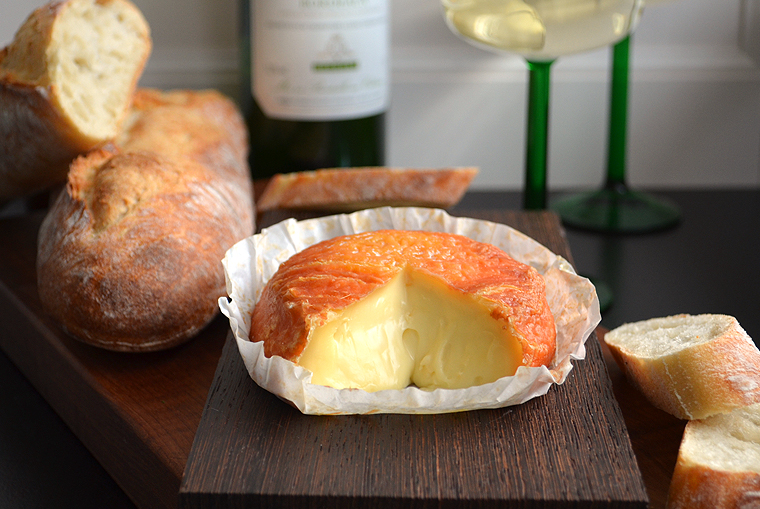
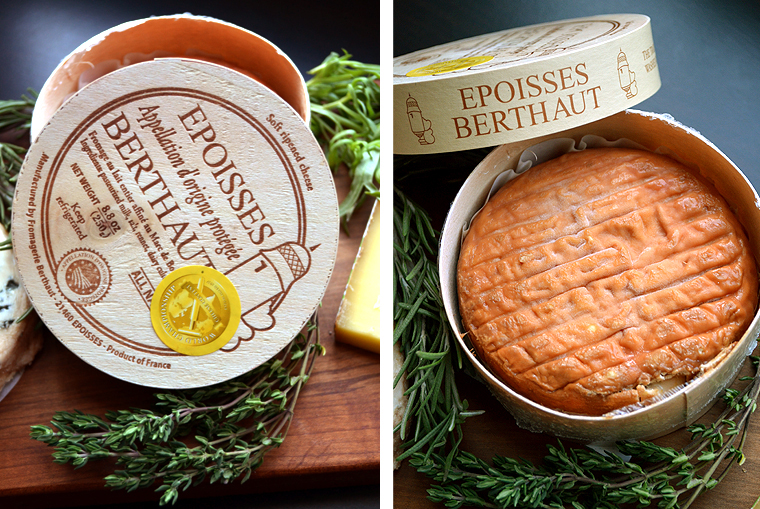
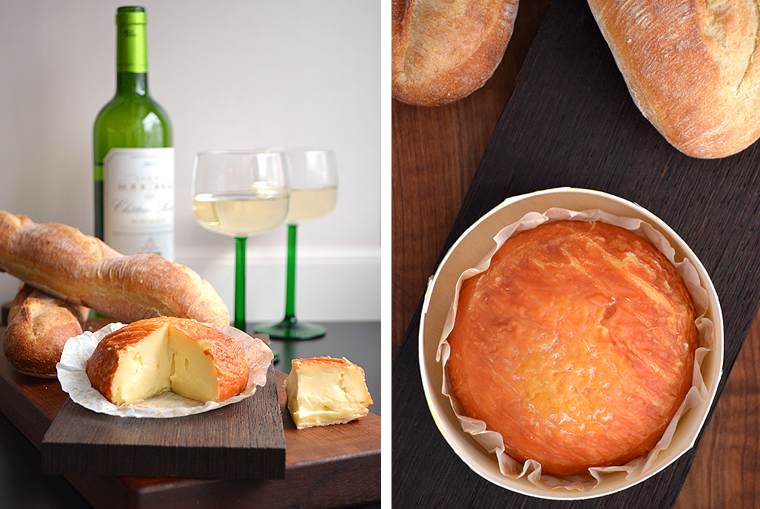
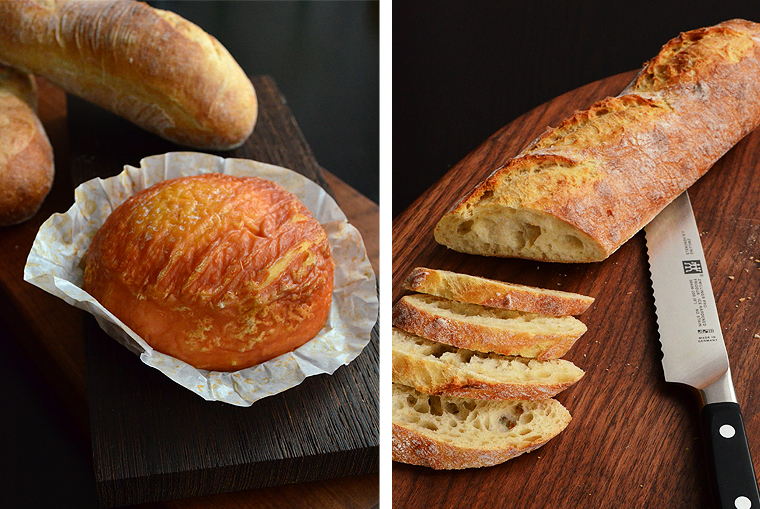
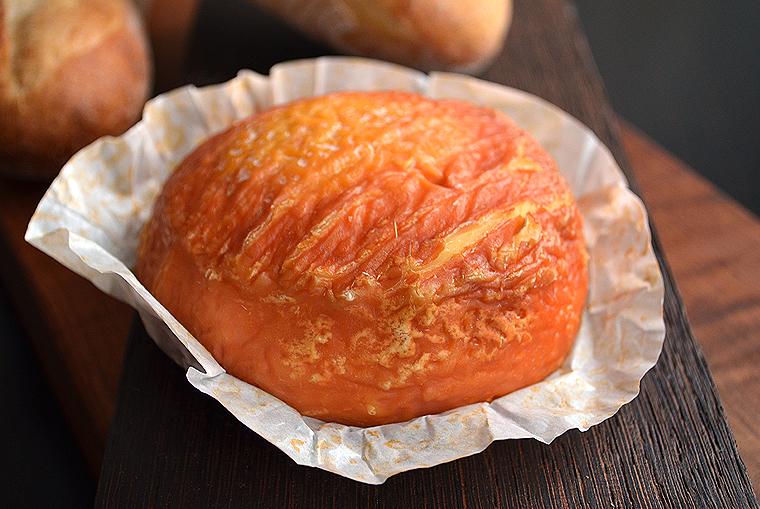
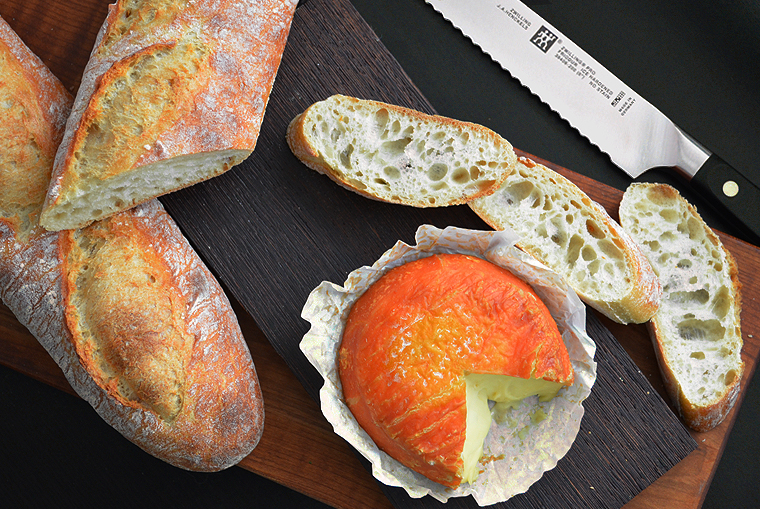
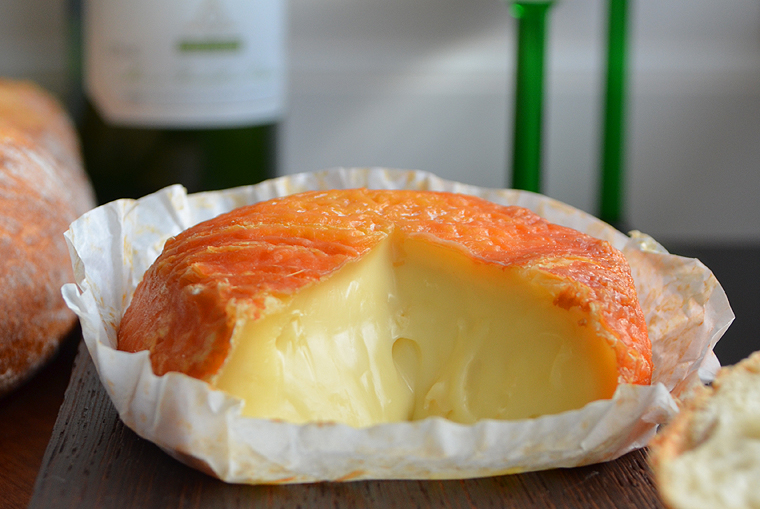
Époisses is a pungent, unpasteurized cows-milk cheese which is washed in Marc de Bourgogne, the local pomace brandy. These small circular wheels have a soft, dark orange exterior, and arrive packed in a wooden box. The cheese is often served with a spoon due to the extremely soft texture. This cheese is often served with a sweeter wines, which enhance its character. In 1991 Époisses de Bourgogne was awarded an Appelation of Origine Contrôlée (“AOC”) Protected Designation Origin, ensuring consumers a quality product of guaranteed origin and tradition. Although originally intended for the French palate, it is now exported worldwide, with distribution as far away as Shanghai!

Époisses Berthaut6_ acookscanvas-copyright2012-2015_44

Époisses Berthaut7_ acookscanvas-copyright2012-2015_44

I chose to pair Époisses Berthaut with one of my favorite white Bordeaux wines and warm baguette, although a good Champagne, Gewürztraminer d’Alsace, or a Bourgogne Blanc would also pair nicely. I find great comfort in the fact that although I left much of the great European cuisine behind when I moved back to the states, I can still enjoy some of my favorite cheeses right here at home.

You can purchase Époisses Berthaut and other imported French cheeses from the French Cheese Board and at many retailers. The Cheeses of France Marketing Council: Composed of French dairy farmers and cheese firms, the Council is led by The French Dairy Inter-Branch Organization (CNIEL) and their mission is to create awareness on a variety of cheeses of French cheeses that are available here in the US and around the world. They are helping and teaching Americans how to incorporate French cheeses into their diets, lifestyle, and recipes. Their marketing campaign is financed with the support of the European Union. To learn more about Époisses Berthaut and other French cheeses please visit The Cheeses of Europe.

Sources
Fromagerie Berthaut
The Cheeses of Europe
The French Cheese Board
Époisses de Bourgogne
Époisses Village

Épaule de Porc Braisée aux Chou (Braised Pork Shoulder with Savoy Cabbage) from French Roots Cookbook by Executive Chef Jean-Pierre and Denise Lurton Moullé

french_roots_chef_jean-pierre_denise_moulle_7-copyright2012-2015_42

My doorbell rang yesterday, and when I opened the door expecting company, nobody was there, just footprints in the snow leading up the steps to my door, and there at my feet nestled in the snow was a small parcel wrapped in brown paper tied with a string. I had been anxiously awaiting this package, which I quickly untied and tore into, and before I knew it two hours had passed as I sat in my chair engrossed in the pages of a new cookbook!

french_roots_chef_jean-pierre_denise_moulle_1-copyright2012-2015_42

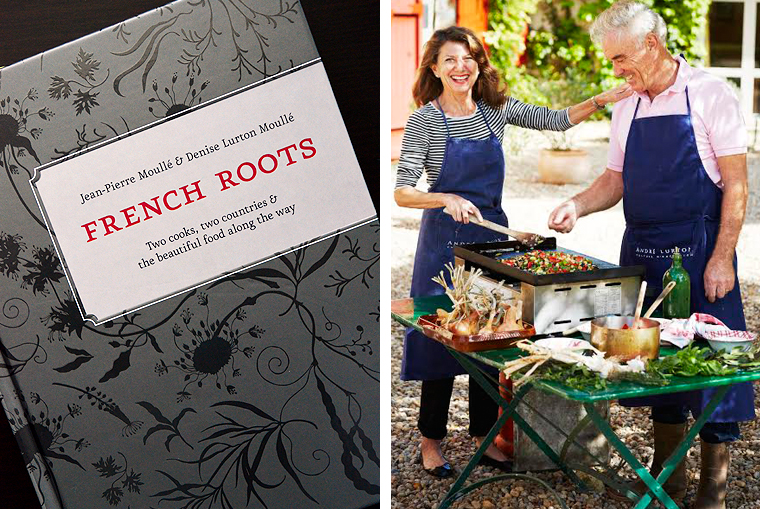
French Roots: Two Cooks, Two Countries and the Beautiful Food Along the Way by Executive Chef Jean-Pierre Moullé and his wife Denise Lurton Moullé is not only a cookbook, but an autobiography of their lives spent in France and in Berkeley, California. As I turned the pages I was taken back to the restaurants and cafes I’d visited in France, the richly detailed descriptions making my mouth water as I greedily sipped them up like a savory soupe l’oignon. As I read through the essays I was comforted by the fact that although time marches on, traditional French cooking was something that I can rely on. The style evolves, but the philosophy of simple ingredients, exquisitely prepared remains constant and untouched by time.

french_roots_chef_jean-pierre_denise_moulle_4-copyright2012-2015_42

french_roots_chef_jean-pierre_denise_moulle_3-copyright2012-2015_42

french_roots_chef_jean-pierre_denise_moulle_5-copyright2012-2015_42

Sometimes daring, often comforting, and always elegant, French cooking is as deep an exploration of the western palate as you will find, and this cookbook presents each recipe with a story of it’s origins and the experiences of the authors, how they’d come to experience it, and is accompanied by richly detailed instructions that go far beyond merely telling you how to cook just make a dish, they teach you how to cook, in an authentic and soulful way. That is, the French way.

Dishes such as Bar au Four en Croûte de Sel (Baked Sea Bass in the Oven with Salt Crust), Crème de Céleri aux Truffes (Cream of Celery Root Soup with Black Truffles), Canelés de Bordeaux (Bordeaux Canneles) and Soufflé au Comté (Comte Cheese Souffle) are just a few I remember trying while living abroad. Many times while reading I close my eyes and recall picturesque rural villages with their cobbled streets and the deliciously prepared traditional French cuisine.

french_roots_chef_jean-pierre_denise_moulle_2-copyright2012-2015_42

french_roots_chef_jean-pierre_denise_moulle_6-copyright2012-2015_42

In French Roots, Chef Jean-Pierre and his wife Denise have not only written a cookbook but an autobiography, with stories of their childhoods in France and their lives in Berkeley California, highlighting these cuisines as prepared in the kitchen of the iconic landmark restaurant Chez Panisse where Jean-Pierre reigned as Executive Chef for more than 3 decades.

Chef Jean-Pierre and Denise are both natives of Bordeaux; having met on a street corner in Berkeley, California in 1980, and a short six months later they were married. Denise was born into the Bordeaux wine-making empire of the Lurton family, and she worked as a wine distributor in California for many years before opening her starting Two Bordelais in 1987, offering guided tours through France.

french_roots_chef_jean-pierre_denise_moulle_10-copyright2012-2015_42

french_roots_chef_jean-pierre_denise_moulle_9-copyright2012-2015_42

Since meeting nearly 35 years ago, Jean-Pierre and Denise have worked to bridge the gap between two food cultures, to define a common thread between two ways of life. Both retired, Jean-Pierre and Denise are currently working on their second book while offering cooking classes and tours in the truffle-bearing Cahors and Bordeaux regions of France.

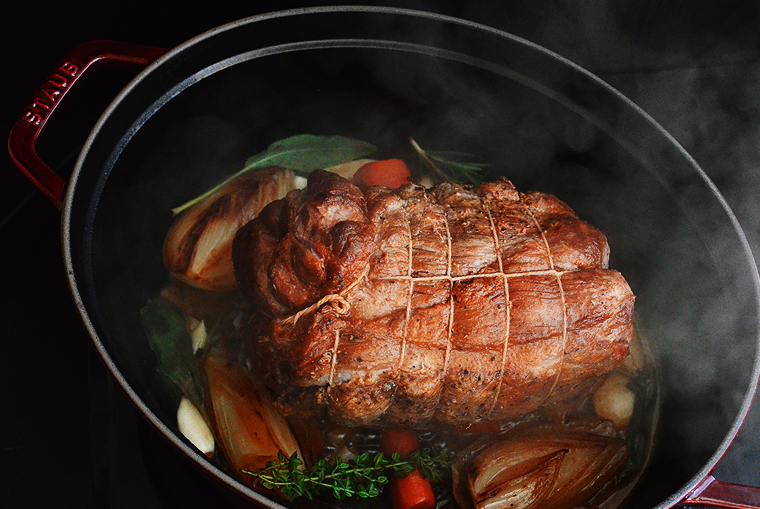
For my first recipe I chose to prepare Épaule de Porc Braisée aux Chou; Braised Pork Shoulder with Savoy Cabbage from the chapter titled Dans la Cuisine de Chez Panisse (In The Kitchen at Chez Panisse). As Chef Jean-Pierre says, “Braised meat is a comfort food I never grow tired of. I like the subtle flavors that the vegetables, herbs, and meat develop as they come together, bubbling quietly in the oven while slowly working their magic.” I found this dish full of comfort, especially in the midst of a record-setting February deep freeze.

french_roots_chef_jean-pierre_denise_moulle_8-copyright2012-2015_42

french_roots_chef_jean-pierre_denise_moulle_11-copyright2012-2015_42

Épaule de Porc Braisée aux Chou
(Braised Pork Shoulder with Savoy Cabbage)
serves 6 to 8

1 (3-to-4 pound) pork shoulder, bone-in or boneless
Salt and black pepper
1 onion, cut into large chunks
2 carrots, peeled and cut into large chunks
2 tablespoons olive oil
1 head garlic, peeled
1 sprig rosemary
2 sprigs thyme
4 to 5 sage leaves
3 bay leaves
1/2 cup white wine
2 cups chicken stock or water
1 small savoy cabbage, cut into wedges
2 tablespoons butter, melted

Preheat the oven to 375’F. If using a pork shoulder with the bone in, trim a bit of the fat if desired. If working with a boned shoulder, simply tie it with kitchen string. Season the meat generously with salt and black pepper 1 hour before cooking and set the meat out to temper at room temperture.

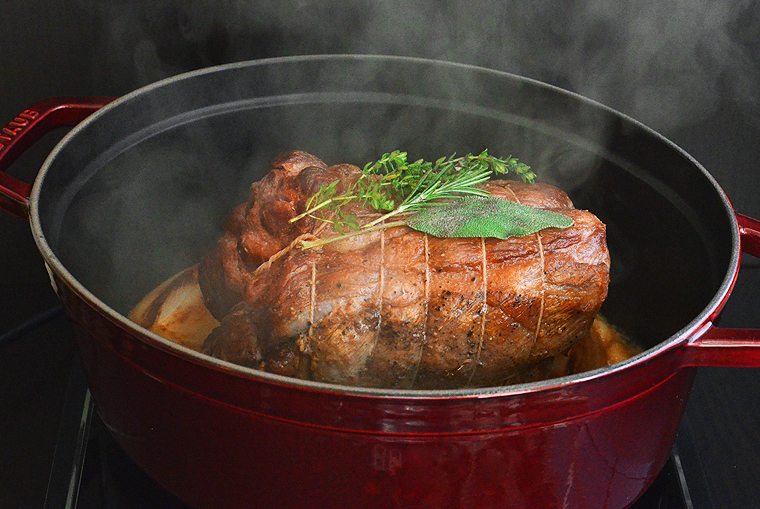
In a large saute pan set over medium-high heat, cook the onion and carrot with 1 tablespoon of olive oil for 10 to 12 minutes. Transfer to a heavy baking dish. Add the remaining 1 tablespoon of olive oil to the same saute pan and brown and sear the shoulder, turning frequently to give it a little color all over. This may take 10 to 15 minutes, depending on your stove. When the meat is browned, place it fat side up on top of the carrots and onions along with the garlic, rosemary, thyme, sage, and bay. Deglaze the saute pan with white wine, scraping the pan to loosen the browned bits. Add the liquid to the pot with the meat along with the chicken stock. Place in the oven and braise uncovered for 45 minutes before turning the meat over to cook for another 30 minutes. Check for the doneness by inserting a skewer into the meat – if it slides in easily, the meat is probably done. If you have a thermometer, the temperature should read no less than 145’F at the center. Cook the meat longer as needed and remove it from the oven when tender. Transfer the roast to a platter, skim the extra fat off the braising liquid and pass the liquid and vegetables through a strainer to make the sauce.

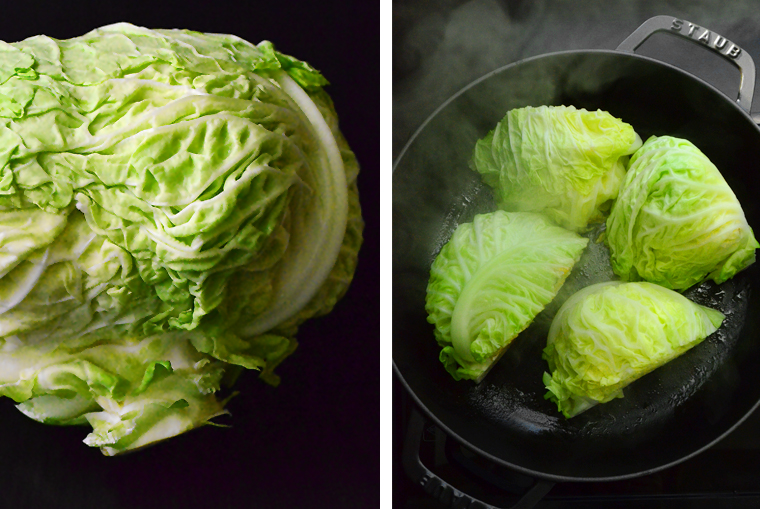
Cook the cabbage wedges briefly in plenty of salted boiling water, drain well, and toss with the melted butter; I like to take the additional step of browning each wedge with butter in a hot pan to add a bit of color and develop some of the sugars. Slice the meat and arrange it and the cabbage on a platter. To serve, reheat the sauce and pour it over.